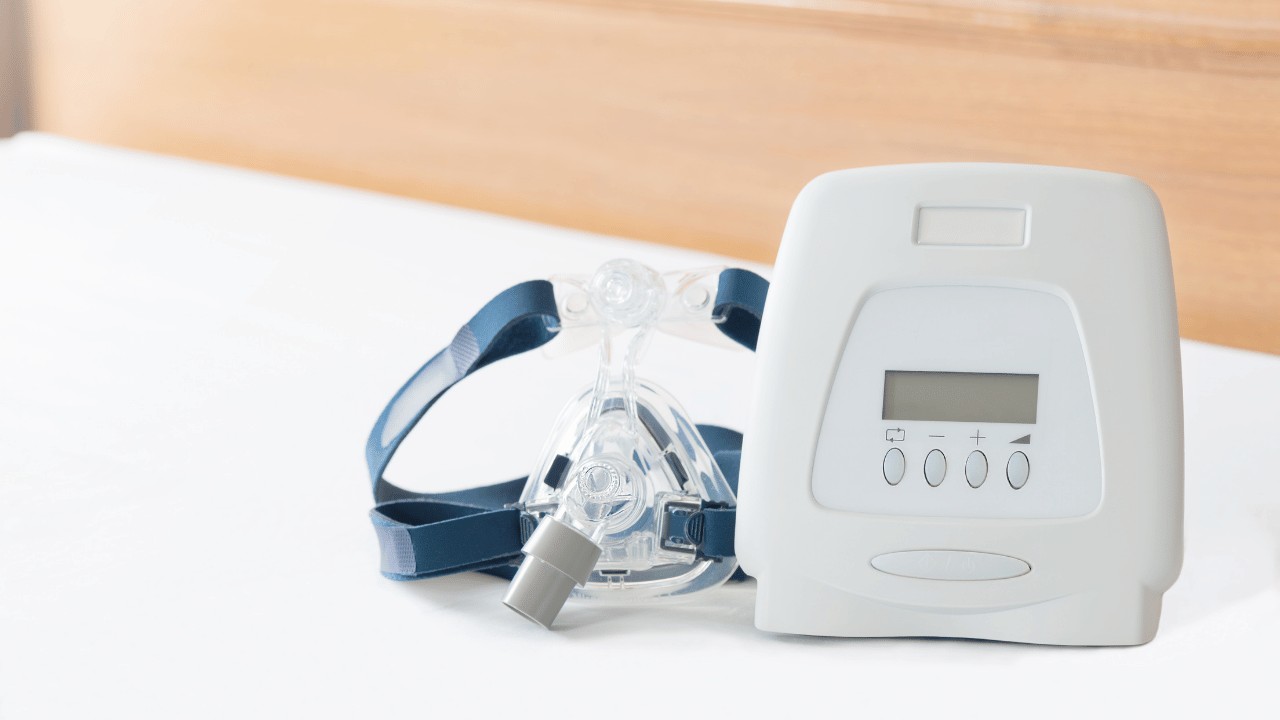
Did you know that one in five adults in the United States struggle with sleep apnea? According to the National Council on Aging, roughly 33,000,000 Americans also use a Continuous Positive Airway Pressure (CPAP) machine to assist their breathing when they sleep.
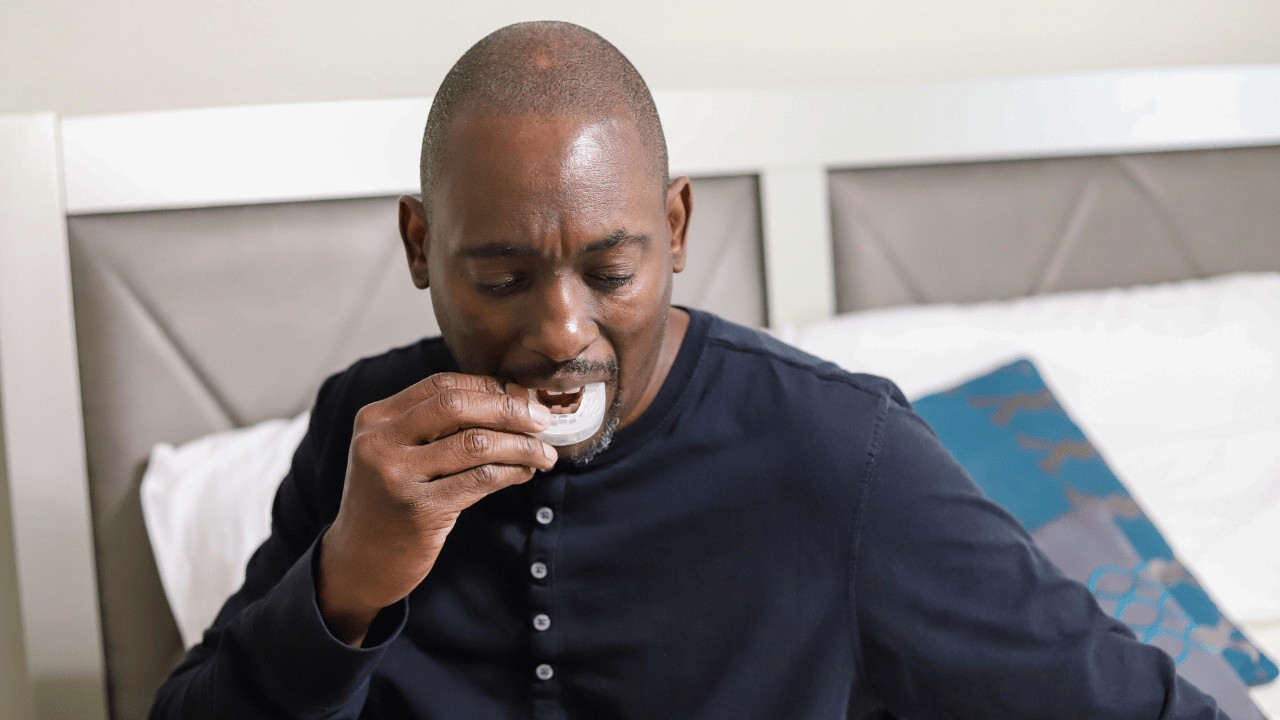
Many people wear mouthpieces or mouthguards to get better sleep when they’re battling jaw pain, sleep apnea, or other conditions. When it comes to sleep apnea, the Cleveland Clinic says mouthpieces may not be as effective as a CPAP machine but can still improve symptoms. This option is recommended for those dealing with mild to moderate sleep apnea.
Issues With Sleep Machines and Devices
Machines and devices for sleep apnea can make sleeping difficult due to the noise they make or their awkward shape. A sleep machine is certainly not fun for you or anyone else in the room with you. It can also be exceptionally difficult to go on vacation with a bulky machine or mouthpiece.
What if there was a natural sleep apnea resource you could try? Breathing exercises, prioritizing good nutrition, and looking at environmental factors might be a game-changing solution for you.
Signs of Sleep Apnea
Sleep apnea is a potentially dangerous sleeping disorder. If you want to find out how to know If you have sleep apnea, here’s what to look for:
- Snoring
- Morning headache
- Excessive daytime sleepiness
- You stop breathing
- Choking or gasping while sleeping
- Restlessness
- Insomnia
If you’re dealing with any of these symptoms, you may want to discuss the situation with your doctor and consider a sleep study. Sleep studies may be completed in a lab or at home, so find out what option is best for you so your treatment plan can be developed by your medical team.
You may also be wondering, is sleep apnea genetic? Healthline reports people may be more likely to develop the disorder if another family member has it. However, lifestyle choices can also play a role in its development and severity. Most people aren’t born with sleep apnea. Rather, they develop it over time.
The Pros and Cons of a Sleep Apnea Mouthpiece
Medical experts say using a mouthpiece can be beneficial in more ways than one. It can improve some symptoms like daytime sleepiness and concentration issues, cut down on snoring, and promote less disruptive sleep. It is also very portable.
However, they also say it could impact your bite, cause you to produce more spit, cause jaw pain or dry mouth, irritate your gums, or even shift your teeth inadvertently.
Can Anyone Use a Sleep Apnea Mouthpiece?
While sleep apnea mouthpieces may be beneficial for some people, they aren’t for everyone. Here’s who the Cleveland Clinic says shouldn’t use one:
- Children
- Those with central sleep apnea
- Those with severe obstructive sleep apnea
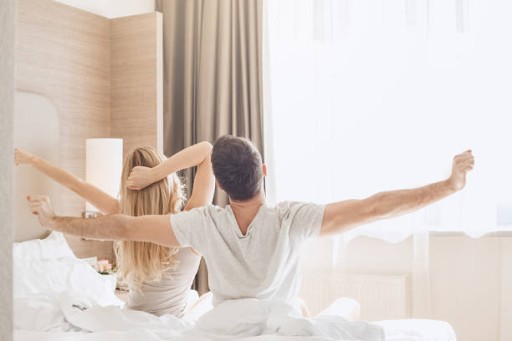
Our Natural Sleep Apnea Approach
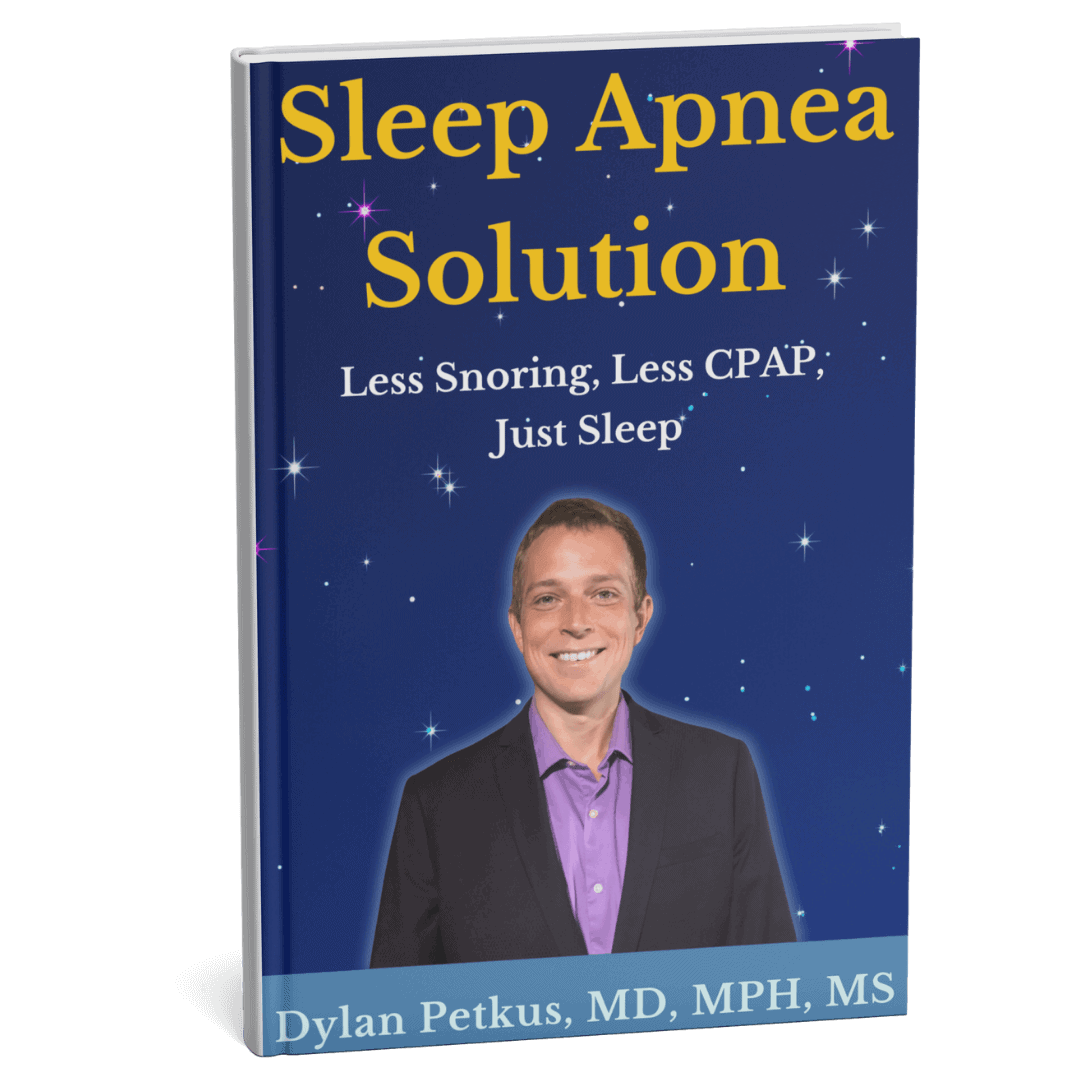
If you’re looking for a more natural approach to breathing and sleep, Dylan Petkus, MD’s Sleep Apnea Solution book, where he shares his struggle with sleep apnea and how he changed his breathing and sleep to become free of it. Learn the breathing routines and other natural methods that allowed him to sleep deeper and wake up refreshed without relying on mouthpieces, CPAP machines, and restrictive diets.