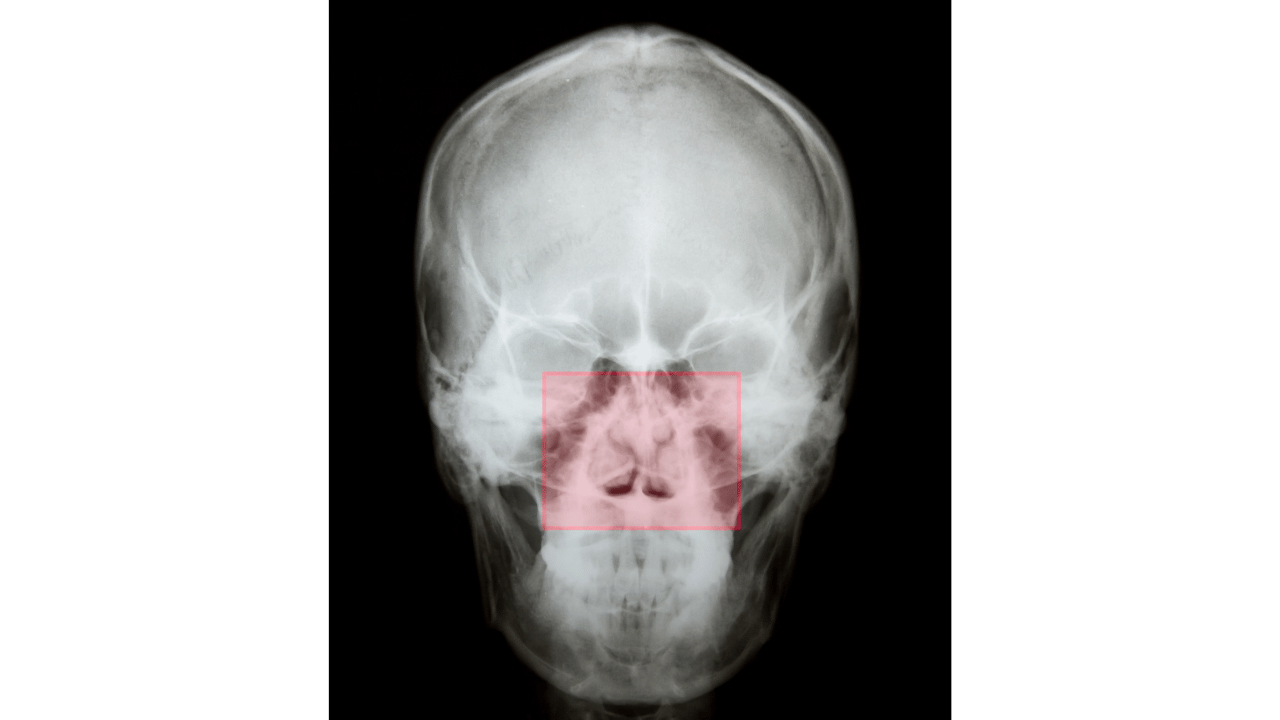
A deviated septum is quite a common issue. Although it doesn’t always pose a problem, if you have sleep apnea, a misalignment in your nose could mean that some conventional breathing devices, including a CPAP, might have limited effects.
However, despite some misinformation, deviated septums do not directly cause sleep apnea, nor is this the sole reason you might develop sleep disturbances or issues with breathing. Part of the confusion is that differences in your nasal function can make a CPAP with a nasal mask is less suitable, and that a full face mask might be more appropriate. Researchers have found that a deviated septum might need to be treated before a CPAP would be recommended.
However, if the problem is bad enough, a narrow nasal passageway can cause your body to breathe faster at night to compensate. As a result, this will pull the walls of your airway and tongue together, blocking off the airway.
The peer-reviewed author of Sleep Apnea Solution, Dylan Petkus, MD, shares how he overcame sleep apnea and tips and exercises to promote easier nighttime breathing.
How Does a Deviated Septum Impact Sleep Apnea Symptoms?
Many people want to know how to reduce sleep apnea without reliance on surgical or medical interventions or wish to avoid the long-term usage of a CPAP. Although CPAP masks are widely used, they aren’t effective or comfortable for everybody, and may be unsuitable for some people due to:
- Complications with natural breathing functions
- Unwanted side effects
- Ineffectiveness due to the structure of the person’s airway or nose
Most of the time, a deviated septum is something you are born with, although injuries to your nose, often due to sports or other accidents, can mean that the bone and cartilage within your nose are uneven on each side.
It is important to note that a deviated septum is not the sole contributor to sleep apnea. Instead, an obstruction already exists in the passage to your upper airway, and although sleep apnea may be more evident, the deviated septum is not the cause. This is easier to understand if you think about someone who is born with a deviation but does not develop sleep apnea until later.
What Can I Do to Help Overcome Sleep Apnea if I Have a Deviated Septum?
Having a deviated septum can mean that the speed and pace at which you breathe to compensate for a narrow or obstructed airway are more exaggerated. This can leave you short of breath and physically tired, and prompt your airway muscles to close even tighter. This makes it important to retrain muscles and breathing patterns to support controlled breathing.
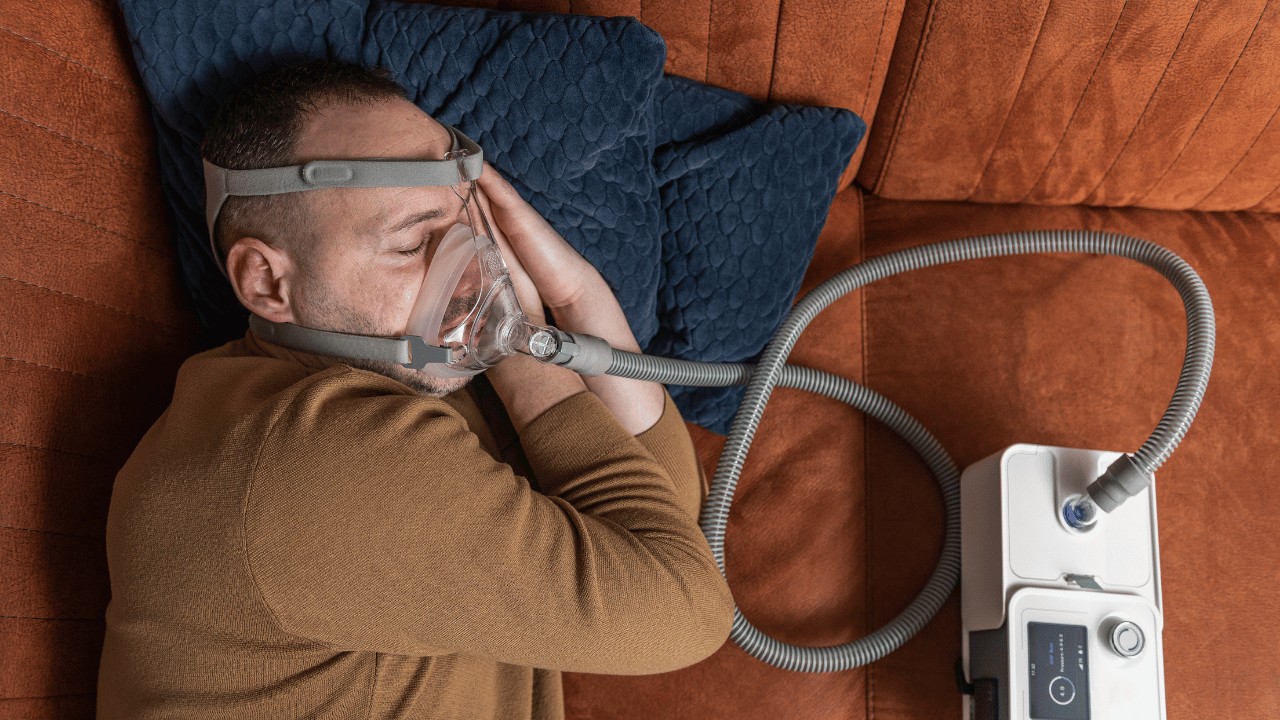
Why Shouldn’t I Use a CPAP for Sleep Apnea With a Deviated Septum?
The primary concern with using CPAP devices is that if you have a deviated septum, you are likely to breathe through your mouth, not your nose. Existing blockages in the nasal passages often trigger this type of breathing, which makes it easier to get a full breath, but also means a CPAP may be less effective. So speak with your doctor about the best medical treatments for you.
To complement your medical treatment plan, people find it helpful to learn natural methods to support easier breathing during the day and night, even if you have a deviated septum. Some people find surgery to correct nasal passages helpful, but may still experience disordered breathing at night. Others have multiple surgeries and still struggle with nasal breathing.
If you want to learn how breathing techniques can support nasal breathing and more restful sleep, check out Dylan Petkus, MD’s Sleep Apnea Solution to learn the exact bedtime routines that helped him and many others achieve easier breathing.
What is the newest treatment for sleep apnea? Some of the latest approaches involve surgical implants, although it is wise to exercise caution with any ‘new’ service or intervention and to seek independent guidance from your physician to make sure it’s appropriate for you.