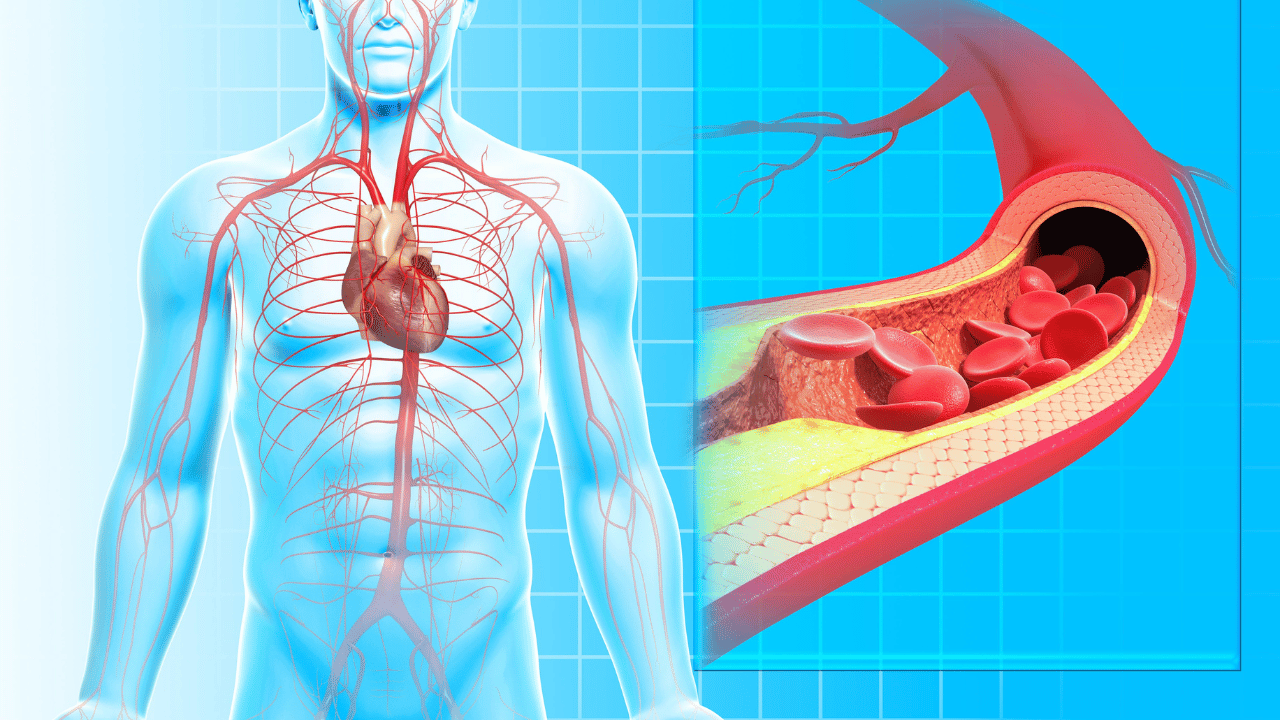
Hypertension, or ‘high blood pressure,’ is one of several conditions that can potentially increase the risk of obstructive sleep apnea. Mayo Clinic indicates that heart failure, type 2 diabetes, lung conditions like asthma, some hormonal disorders, a history of strokes, obesity and polycystic ovary syndrome can also be risk factors.
As explained in the latest sleep apnea book by Dylan Petkus, MD, sleep apnea primarily occurs due to blockages or obstructions in the airway. This condition can worsen if you have any of the above conditions or are overweight, increasing the pressure on your airways while you sleep. A number of anatomical variations, inflammation, and breathing patterns can increased the likelihood of airway collapse.
Finding the right way to help regulate nighttime breathing naturally is key. The reduction in blood oxygen that occurs during sleep apnea can strain your cardiovascular system and other organs. Whether you already have hypertension, a heart condition, or are in an at-risk category, sleep apnea can impact your overall well-being.
What Is the Link Between Sleep Apnea and High Blood Pressure?
Both hypertension and sleep apnea can escalate the risk of the other or exacerbate your symptoms. Clinical studies note that sleep apnea is a recognized cause of secondary hypertension because fluctuations in blood pressure at night can create sustained higher blood pressure during the day even when your breathing returns to normal. Therefore:
- During the night, when sleep apnea sufferers struggle to get enough airflow, their blood pressure rises and falls quickly due to elevated breathing speeds and intermittent periods where they stop breathing–usually also waking up.
- When the person is awake, their breathing will often revert to a normal speed, but their blood pressure can remain high, creating a cycle of hypertension due to their nervous and vascular systems responding to stress.
It is well known that disruptions to sleep leave the body tired, unrested, and less resilient to life’s stressors. With time, the decrease in rest at night can lead to a multitude of issues.
Unfortunately, unaddressed or progressively more severe sleep apnea symptoms can have ramifications for your health. We need sleep to function; without it, issues like irritability, mood swings, fatigue, and daytime sleepiness are common. Over time, prolonged lack of sleep can lead to problems with liver, kidney, and heart health.
Is sleep apnea dangerous? Sleep apnea can result in increased heart attacks, strokes, dementia, and sudden death in sleep.
Sleep disturbances are to be taken seriously. That’s why it’s important to support easier breathing and more restful sleep by introducing beneficial breathing patterns and healthy sleep hygiene habits.
Snoring, Sleep Apnea, and Hypertension
Does snoring mean sleep apnea? Many people with sleep apnea do indeed snore, but snoring can also be harmless and possibly a symptom of something else, such as hypertension–independently of sleep apnea.
An article published by News-Medical.net found that regular snoring has a ‘strong association’ with high blood pressure, even in people without obstructive sleep apnea. However, excessive snoring is also more common in overweight and older adult men, who may be equally susceptible to sleep apnea.
There are known connections between all these symptoms and conditions. Working to make positive changes to your sleep environment, breathing techniques, health, nutrition, and physical welfare can prove highly beneficial as a tool to aid your holistic and overall health.
That said, if you are concerned about high blood pressure or any aspect of your medical wellbeing, the first step is to book an appointment with your physician to ensure you are aware of any underlying conditions or have reviewed any medications you are currently taking to ensure these remain suitable and safe.
Choosing the Right Options to Boost Better Sleep and Reduce Sleep Apnea Symptoms
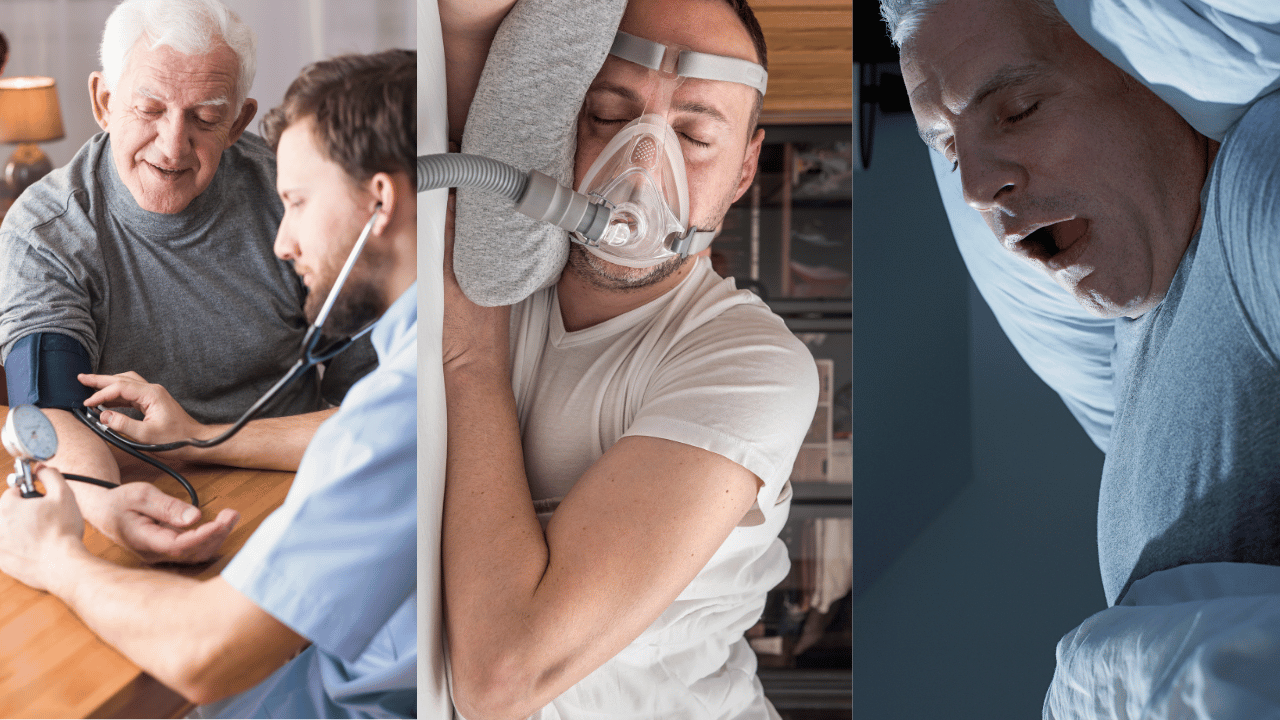
Many people with hypertension and sleep apnea find that conventional options like CPAP machines have minimal impact on their blood pressure. Researchers indicate that this type of device achieves ‘relatively small’ results and is typically combined with medications to manage blood pressure. However, reducing the frequency of waking at night, optimizing your breathing to minimize sleep apnea symptoms, and ensuring refreshing, restful sleep can be incredibly beneficial and assist with all kinds of challenges.
Our goal is to help sufferers support sleep and breathing through more natural breathing patterns that can slow breathing speed and prevent the airway closure. Dylan Petkus, MD shares what he’s discovered in his book, Sleep Apnea Solution.
References:
- Marshall NS et al. Sleep apnea and 20-year follow-up for all-cause mortality, stroke, and cancer incidence in the Busselton Health Study cohort. J Clin Sleep Med. 2014;10(4):355-362.