Natural sleep apnea remedies have grown in popularity, especially because the most recent data indicates that around 80% of all the expected cases of sleep apnea are undiagnosed. Many are looking for holistic options to help promote healthy nighttime breathing.
While there are varied results and outcomes, some of the most in-demand herbal teas and supplements include those that have long been thought to be helpful for sleep, such as chamomile, and ancient herbal ingredients like Valerian root.
In this guide, we’ve summarized some of the possible options if you are interested in adopting a healthy sleep apnea diet plan, incorporating herbal teas, or finding ways to optimize your rest overnight.
Natural Supplements That Can Potentially Help With Sleep Apnea
Before discussing herbal products, it’s important to clarify that most are not approved or licensed by the US Food and Drug Administration (FDA), and the quality, concentration, and traceability of teas and tinctures may vary considerably. It’s important to talk with your doctor before starting something new. That said, the herbal products available on the market that may prove beneficial include:
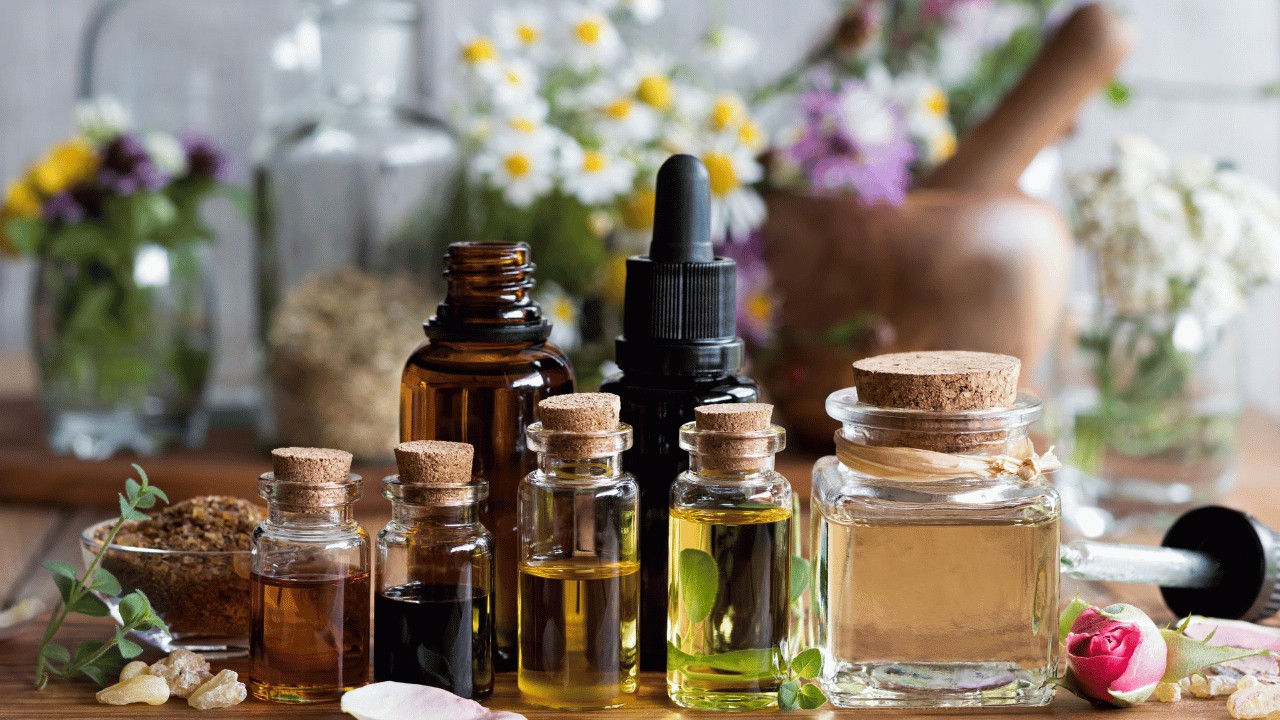
- Valerian root sleep apnea teas and supplements that are subject to varying opinions but may slow the pace of breathing
- Calming ingredients, creams, and oils like lavender oil and chamomile tea
- Vitamins, including vitamin C, vitamin E, vitamin D, and B vitamins, may assist with amino acid protection, protecting cells from damage, and lowering the frequency of sleep apnea. All of these we believe are most beneficial in their natural and non-synthetic forms.
- Magnesium, an antioxidant and natural mineral required for over 300+ enzymes in the body, may be deficient in some people with sleep disorders
Most natural and herbal supplements are available as manufactured products, but can also be introduced via a healthy diet through foods, vegetables, fruits, and seeds. For example, magnesium is found in whole grains, nuts, dark chocolate, Greek yogurt, spinach, and some breakfast cereals, and most beneficial vitamins are equally available through natural food sources. I can’t say that fortified, processed foods like cereals are the best source…
Risks of Some Unregulated Sleep Apnea Herbal Product

Supplements containing melatonin are generally perceived as valuable for sleep and can assist in muscle relaxation. However, researchers have advised that melatonin may be less effective than previously thought to address sleep apnea. Melatonin can inadvertently cause the airways to relax and increase apnea events, so it could be very counterproductive.
Clinicians also advise caution when using melatonin alongside sleep apnea due to potential interactions with other medications, including those used for high blood pressure and diabetes. This is why many untested or unregulated herbal products are subject to controversy, without any standardized doses or production techniques, alongside potential reactivity with prescribed medications.
Likewise, it is advisable for any sleep apnea sufferer who is pregnant or has an underlying medical condition, is breastfeeding an infant, or is under the age of eighteen to seek advice from their physician before adding a supplement to their diet.
Alternative Natural Approaches to Sleep Apnea
While the pharmaceutical and medical world is often torn on herbal and traditional medicines, there are also alternatives that are considered safe and anecdotally effective–or that have proven efficacy when used alongside medical interventions for more severe sleep apnea symptoms.
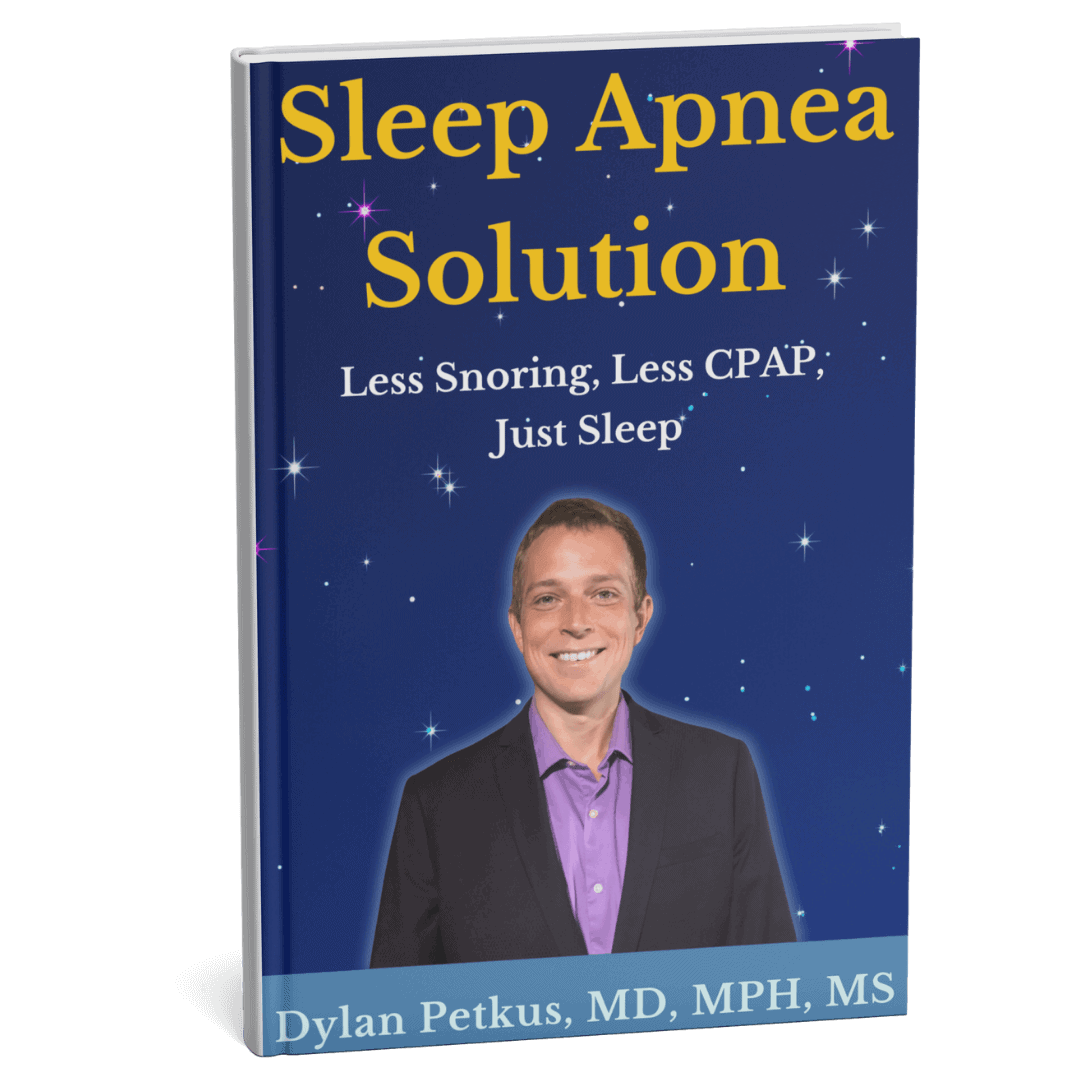
If you’re looking for natural ways to complement your efforts in supporting easier breathing and sleep, you’ll want to read or listen to the Sleep Apnea Solution book where Dylan Petkus, MD reveals the most important principles that helped him overcome sleep apnea and how to set yourself up for calmer breathing and more refreshing sleep.