Breathing therapy can help train your lungs to breathe more efficiently, reduce obstructions in your airways, and maintain airflow to give you a smoother, uninterrupted night’s sleep. Natural remedies for snoring and sleep apnea like these can help you sleep through the night and set you up to feel refreshed the next morning.
Types of Breathing Exercises
There’s no shortage of breathing therapies and exercises to try if you find yourself waking up to your own snores. Box breathing for sleep apnea, for example, is an easy one to fit into your routine. Breathe in for four seconds, hold your breath for four seconds, breathe out for four, and hold it again for another four. It’s as simple as that.
Here are a few other popular breathing exercises used by people who struggle with sleep apnea:
- Diaphragmatic (belly) breathing: Lie on your back and put one hand on your chest with the other on your abdomen. Breathe deeply through your nose and allow your abdomen to rise while keeping your chest still. Then, breathe out slowly through your mouth. This helps strengthen your diaphragm and improve airflow.
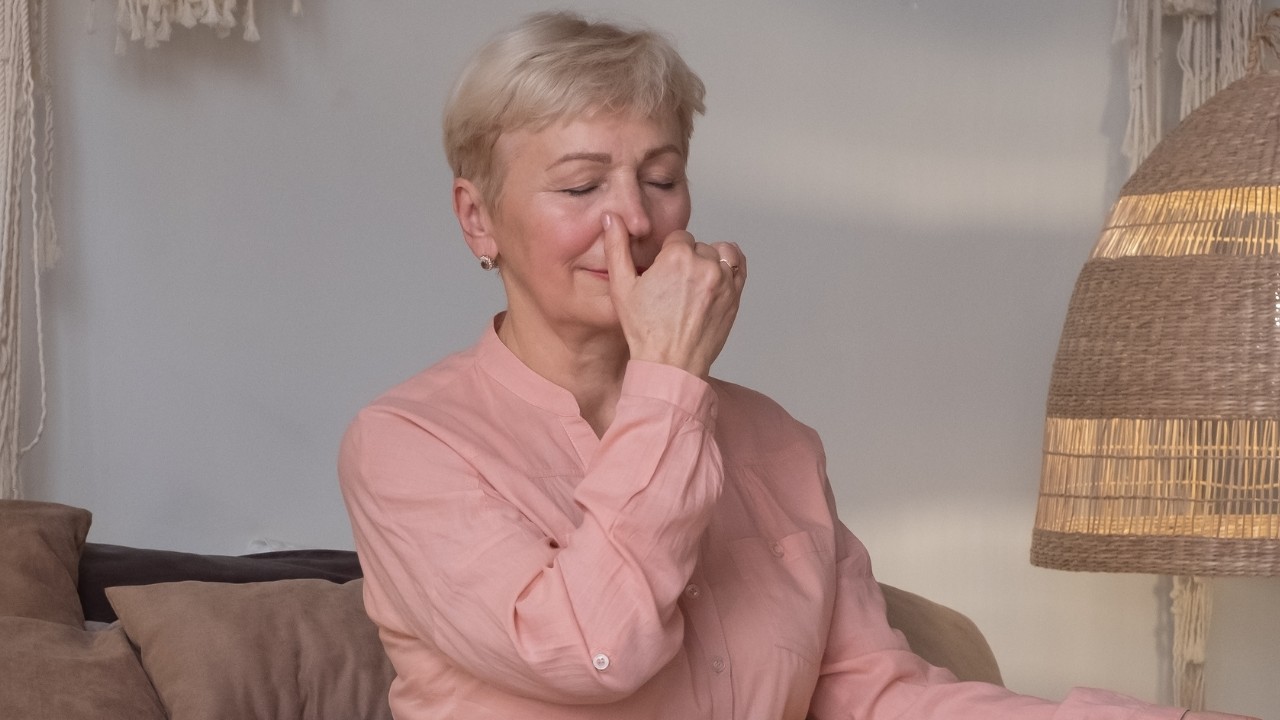
- Buteyko breathing: Sit comfortably and take shallow, slow breaths through your nose with your mouth closed. Focus on bringing your breath to a gentle, controlled rhythm. This technique opens up your airways and keeps you from over-breathing.
- 4-7-8 breathing: Breathe in through your nose for four seconds, hold your breath for seven seconds, and then slowly exhale through your mouth for a count of eight. This method helps calm your nerves and promotes deeper, more relaxed breathing.
Practicing breathwork when you’re awake can improve your control over time and has been proven to work for people with asthma, anxiety, and even some cardiovascular issues; it can help with sleep apnea issues, too.
Why Does Breathwork Help?
Sleep apnea is labeled because of the apneas or pauses and abnormalities in breathing during sleep. This happens because of a blocked airway, which can be influenced by your anatomy, of course, to a certain degree. But, if that were the only reason, wouldn’t everyone have it when they’re born instead of being diagnosed later in life?
This is why it’s also important to recognize other influences of a blocked airway. One important one is airflow. As explained in my book, too fast of airflow suctions the tongue into blocking the airway. So breathing too fast can be a problem. What can stimulate too fast of breathing at night are a number of variables, but one important one that can be controlled is carbon dioxide tolerance.
This is something that can affect breathing during the day as well as at night. Now, how do you change your breathing at night when you’re sleeping?
By regularly practicing breathing exercises, your brain learns to ride the bike differently. You retrain your airway muscles and your brain’s sensors for carbon dioxide. This process takes some time, but it happens faster when you know what you’re doing and how to check progress, which I go over in my book and programs.
Breath-holding exercises also create brief, controlled dips in oxygen levels and can be another way to benefit with sleep apnea. When your body can get used to small, brief dips in oxygen (like in exercise), cells can prepare and be less damaged with bigger dips that may happen at night. So in combination, certain breathing techniques done safely, can train your brain to guide a more stable ship and help keep your airways open while you rest.

Breathe Easy
Oxygen keeps us alive, so making sure we’re making the most of our breath every day (and night) is incredibly important. While it plays a key component in our approach to supporting sleep apnea, it’s just one tool to utilize.
Grab a cup of chamomile for sleep apnea before bed to help you feel relaxed, if it doesn’t make you wake up to go to the bathroom! Look for opportunities to incorporate natural methods to support sleep in multiple ways so you can set yourself up to wake up refreshed.
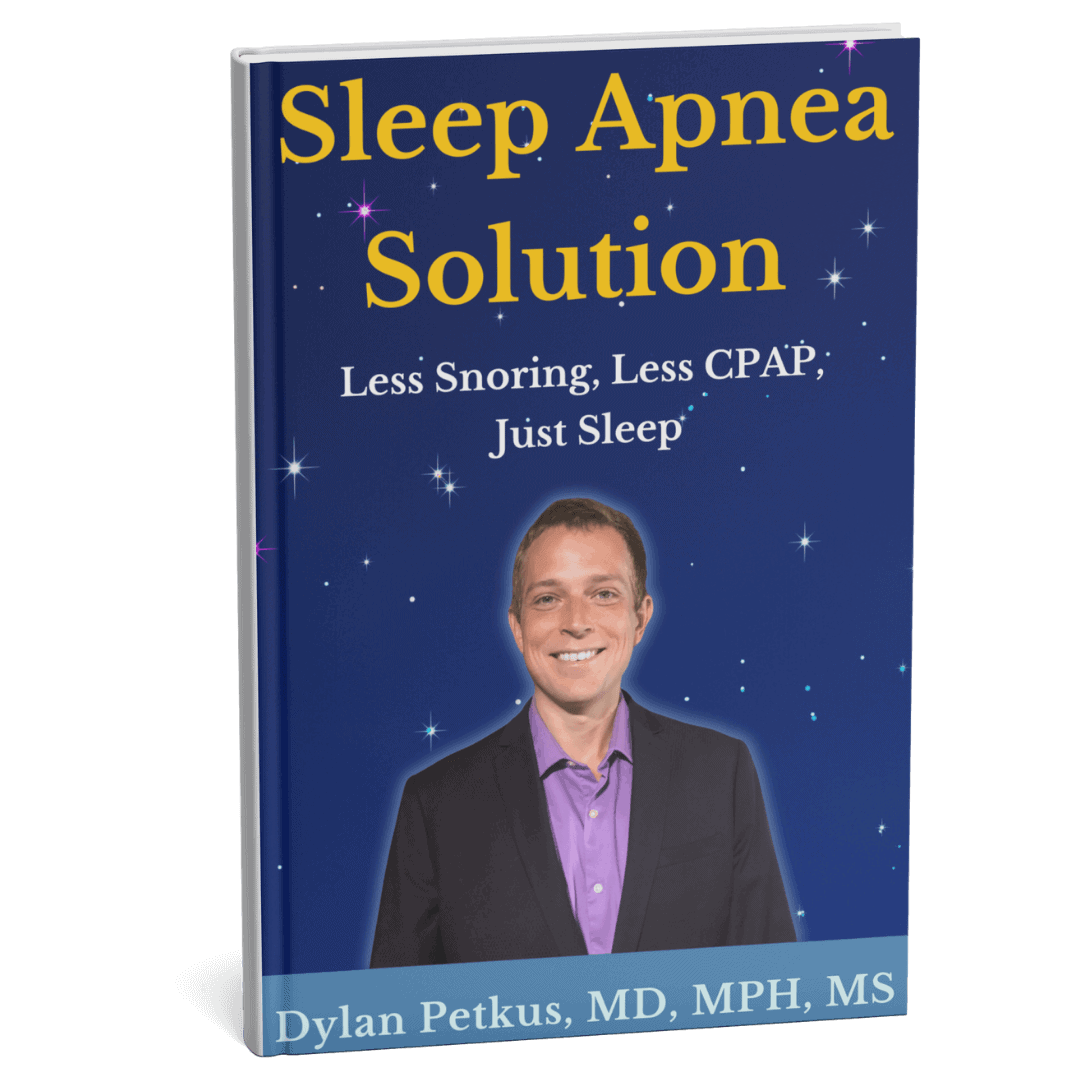
The Sleep Apnea Solution book provides specific breathing routines with follow-along audio and easy ways to make sure you’re on track to restful sleep naturally.