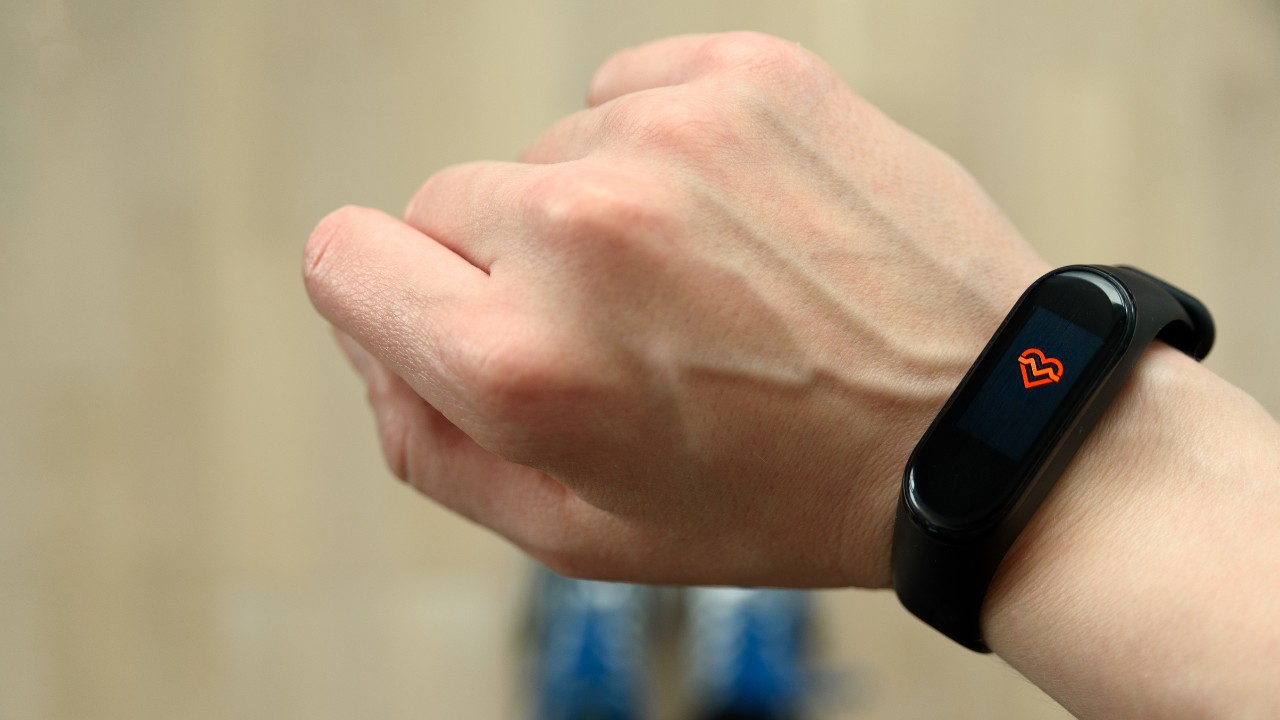
Smartwatches and fitness trackers provide a wealth of data about your activity levels, calories burned, and daily steps, and many advanced, modern devices also incorporate sleep monitoring functions. You might, for instance, be comparing the Oura Ring, Fitbit, and Apple Watch as an aspect of your approach to sleep apnea.
The difficulty is that fitness trackers aren’t specifically designed as sleep apnea monitors and cannot detect or diagnose the condition. However, they may be useful in tracking progress and recording the severity and frequency of waking events to review patterns and see whether efforts to boost healthy nighttime breathing are working.
In this guide, we’ll examine whether a sleep study for apnea test kit at home is worth investing in or whether traditional devices like a nose ring for sleep apnea are better for your budget.
Fitness Trackers for Sleep Apnea: The Pros and Cons
Most sleep specialists and physicians advise that fitness trackers can give you handy insights but aren’t reliable enough to predict or detect sleep apnea, nor are they a foundational part of the approach they might recommend. However, there may be benefits, especially if you already wear a smartwatch or fitness ring and aren’t purchasing one solely to help with your sleep apnea. These include:
- Tracking sleep patterns and habits: Fitness watches have varied features, but most can record the number of times you wake up a night, the total hours of sleep or REM achieved, variations in your heart rate, or drops in your blood oxygen levels. These metrics are often aggregated into a sleep score that allows you to follow the trends and set clear goals with your sleep.
- Monitoring progress: This is a way to see whether your sleep duration and quality are increasing or how lifestyle changes and prescribed medications are influencing the severity of your sleep disturbances aside from just how you feel daily.
- Contributing to efforts to become more physically active and healthy: Many people use fitness trackers to help embed new habits like walking a minimum number of steps, losing excess body weight, or burning more calories during the day.
Benefits aside, it’s important to reiterate that a fitness tracker cannot determine whether or not you have sleep apnea. The only way to confirm sleep apnea is to consult a physician or sleep specialist so they can determine what testing is most appropriate, what the results mean, and what treatment options are available.
Established Ways to Detect Sleep Apnea
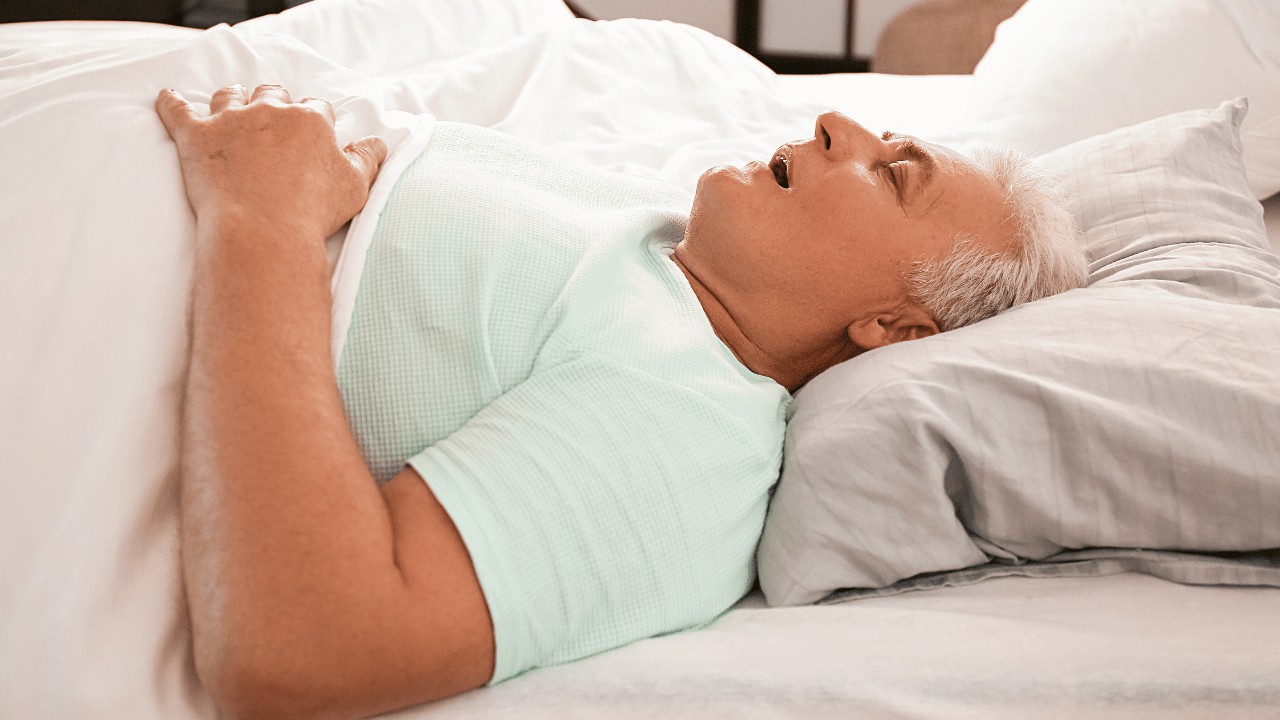
If you suspect you have sleep apnea, a medical professional will usually start by ordering a series of tests or sleep studies. These analyze your sleep patterns and detect variations in respiration, airflow, oxygen saturation, and heart rate. This is essential because, while frequent waking, fatigue, and poor-quality sleep may be due to obstructive sleep apnea, numerous other causes may also require treatment.
Conventional tests include a polysomnogram, which is typically administered overnight in a sleep clinic with a technician monitoring the data. Because these tests are costly and require specialist facilities, they are becoming less common.
Home testing is a more typical option and works similarly to a polysomnogram using FDA-approved testing devices. The data recorded might look comparable to that tracked by a smartwatch, but the difference is in the reliability of that information because of how the testing devices have been tested themselves to make sure they meet quality standards.
Using a Fitness Tracker With Verified Sleep Apnea
After having sleep apnea confirmed, you can use your smartwatch or fitness tracker to see how your sleep data varies and share that information with your physician. Many patients are looking for lifestyle opportunities in addition to weight loss that can support healthier breathing and nighttime rest. Alongside medical approaches and sleep devices, you can be proactive about enhancing natural sleep with various techniques such as effective breathing routines, nutritional opportunities, resetting your nervous system and optimizing your environment.
To learn more, order your copy of Sleep Apnea Solution today and get started with an easy breathing routine, Sleep Environment Checklist, Nutritional guide, and the Personalized Sleep Apnea Assessment included!