We recognize that myths and misconceptions about ‘cures’ for sleep apnea can be appealing, confusing, and potentially a bit misleading. Although healthy, sustained weight loss can help boost natural breathing and is considered an effective way to reduce the severity of symptoms, the reality is that weight loss alone is not a standalone cure. In fact, research has shown that every twenty pounds of weight loss is associated with only a 10% reduction in sleep apnea severity. So the effectiveness of weight loss as a strategy depends on how much weight you have to lose and how easily your body allows for weight loss.
The best solution for sleep apnea often starts with supporting easier breathing and sleep through natural methods like a bedtime breathing routine. Today, we’ll look at how to reduce sleep apnea and the part that weight plays, and share some insights to clarify the connections between diet, lifestyle, and sleep.
Sleep Apnea and Weight Loss: The Facts
Let’s start by noting that there are three main types of sleep apnea, and the value of maintaining a healthy weight is mainly applicable to obstructive sleep apnea; this is also the most common type.
During the night, the air flowing into your lungs is restricted, which can be exacerbated if the weight of your neck compresses the airway. Therefore, if you are carrying some extra weight along and would benefit from a more healthy, active lifestyle, safe weight loss could support your efforts. However, there are caveats–as always!
- Weight loss isn’t guaranteed to reduce your sleep apnea; it could help, but it isn’t a definitive solution.
- The impacts of weight loss may differ depending on your age and gender, with most studies conducted only with male participants.
- Losing weight isn’t easy or quick. General positive lifestyle changes are a good thing. Still, it’s also essential to consult your practitioner or physician if you have other underlying health concerns–rapid, unstained weight loss can carry risks.
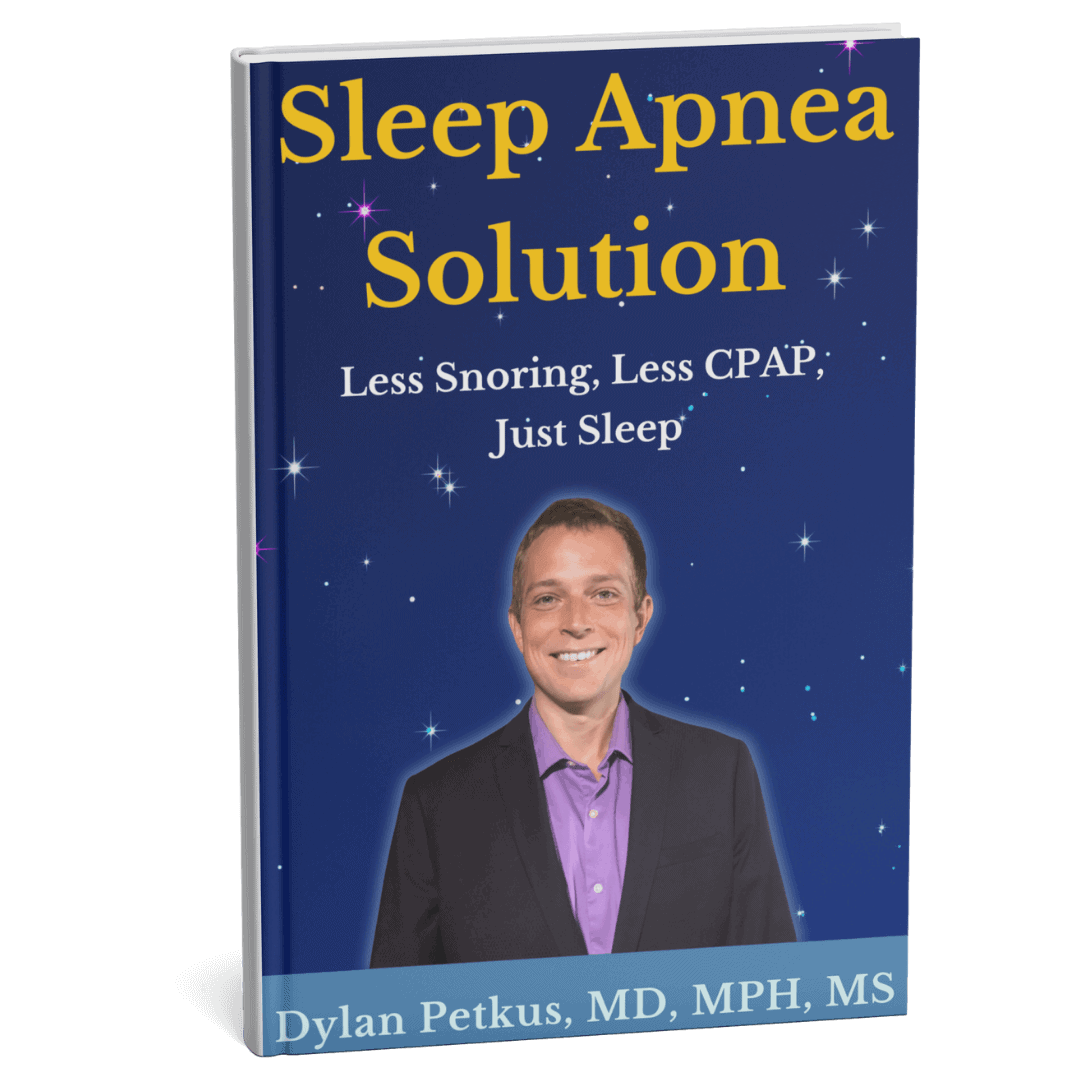
We often speak with people looking for relief from sleep apnea who want natural, non-surgical options. One of the best places to start is Dylan Petkus, MD’s Sleep Apnea Solution book, because just starting with the breathing routine in there can help people experience calmer, deeper sleep.
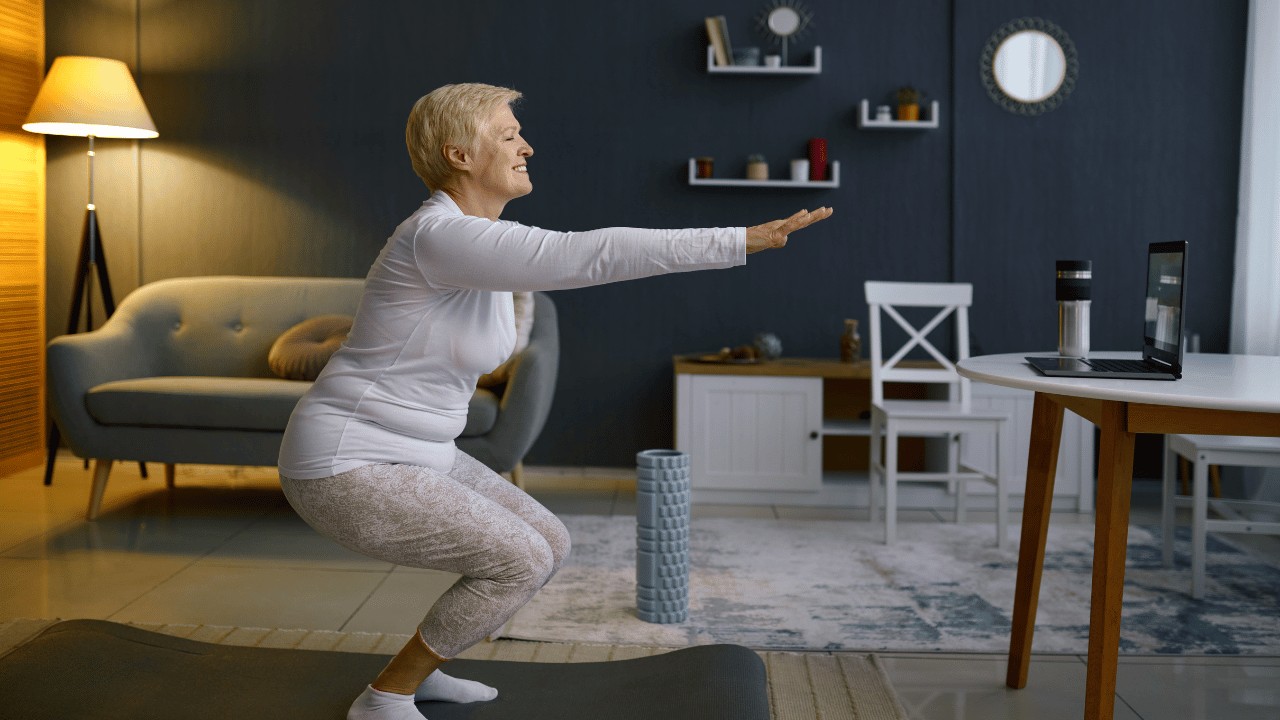
Why Is Weight Loss Often Recommended for Sleep Apnea Sufferers?
Losing weight could mean that:
- The pressure within your airway reduces
- The density of your neck and tongue lower
- The muscles lining your airways grow stronger
It’s worth reiterating that weight loss isn’t a cure, but if your sleep apnea is linked to weight and fatty deposits, healthy weight loss may help reduce hormonal fluctuations and ease your symptoms.
Weight-loss relies on the assumption that weight will come off and stay off. This can be challenging for people who don’t sleep well because their metabolism is slower, inflammation is higher, and energy is lower. Aside from those challenges, often, even after losing weight, sleep apnea is unlikely to disappear if the underlying cause remains.
So, no matter your intentions regarding your weight, it’s still important to support better breathing and sleep patterns that can allow you to rest calmly and sleep deeply.
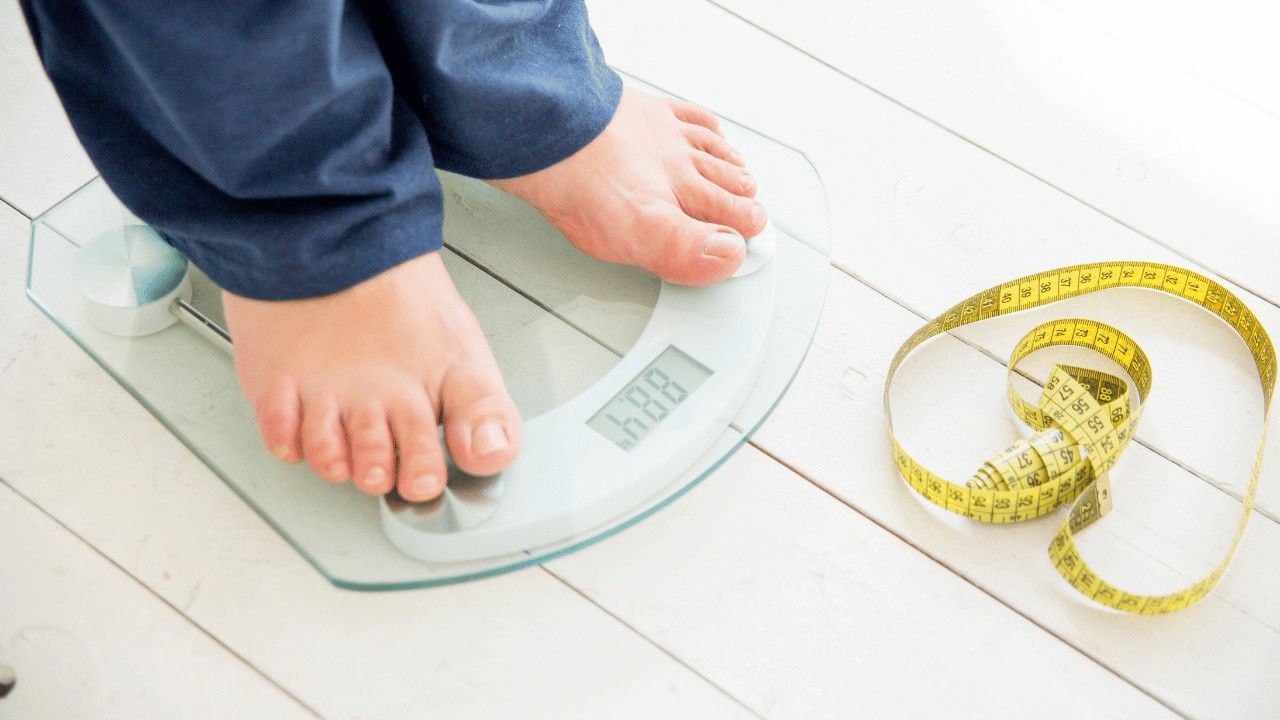
Is Sleep Apnea Associated With Weight Gain?
We know that insufficient sleep is linked with higher instances of obesity, reduced fat loss even in a calorie deficit, and overeating, making it important to support easier nighttime breathing alongside efforts to modify your diet.
Can sleep apnea cause weight gain? Potentially, it can. If you’re fatigued, badly rested, and experiencing brain fog, there’s a pretty good chance you’ll try to combat those feelings with snacking or find that your appetite increases as a side effect of disrupted sleep. We also know that a single poor night of sleep can affect blood sugar and other metabolic markers in labs.
So, shifting your health and lifestyle, becoming more active, and eating a higher-protein diet can undoubtedly be helpful, but the biggest benefits can come from a holistic approach. Dylan Petkus, MD’s Sleep Apnea Solution book includes the top principles he and others have found helpful, including creating your best sleep environment, resetting your nervous system, and the bedtime breathing routine that can enhance natural sleep without medical or surgical interventions.