Sleep Apnea Archives | Page 4 of 10 | Optimal Circadian Health

Medications for Sleep Apnea
Medications for Sleep Apnea

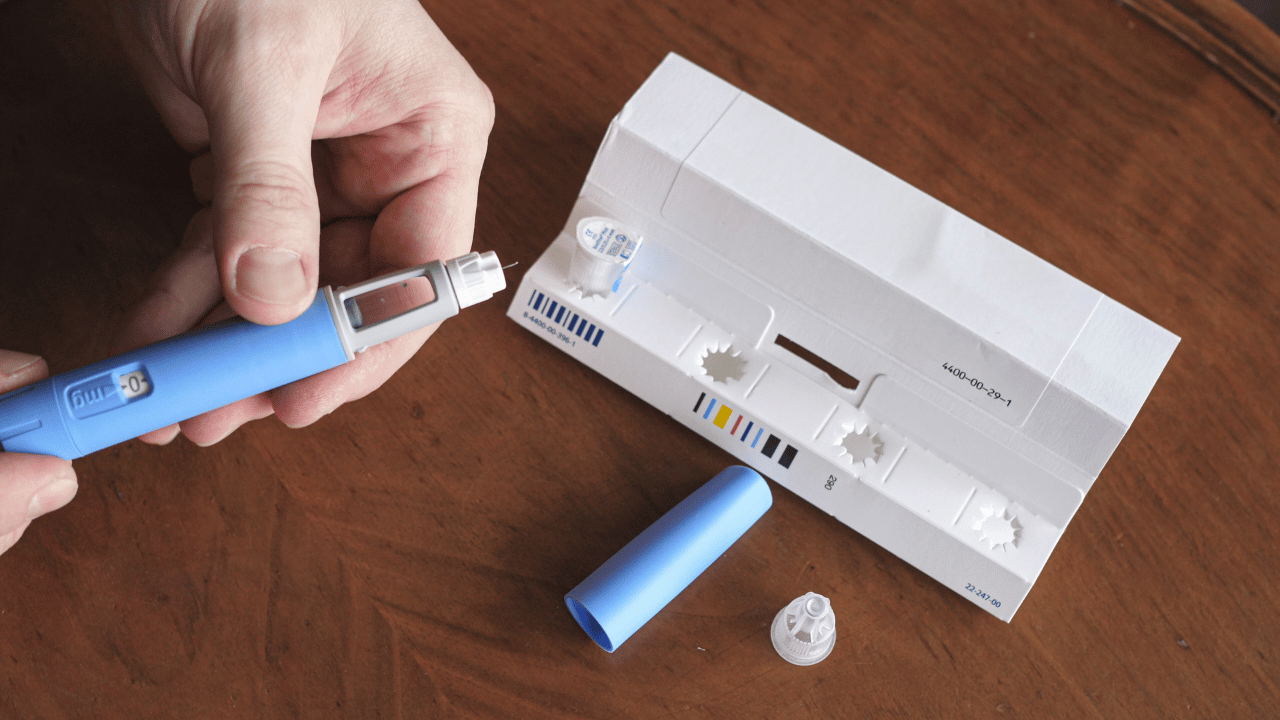
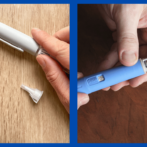
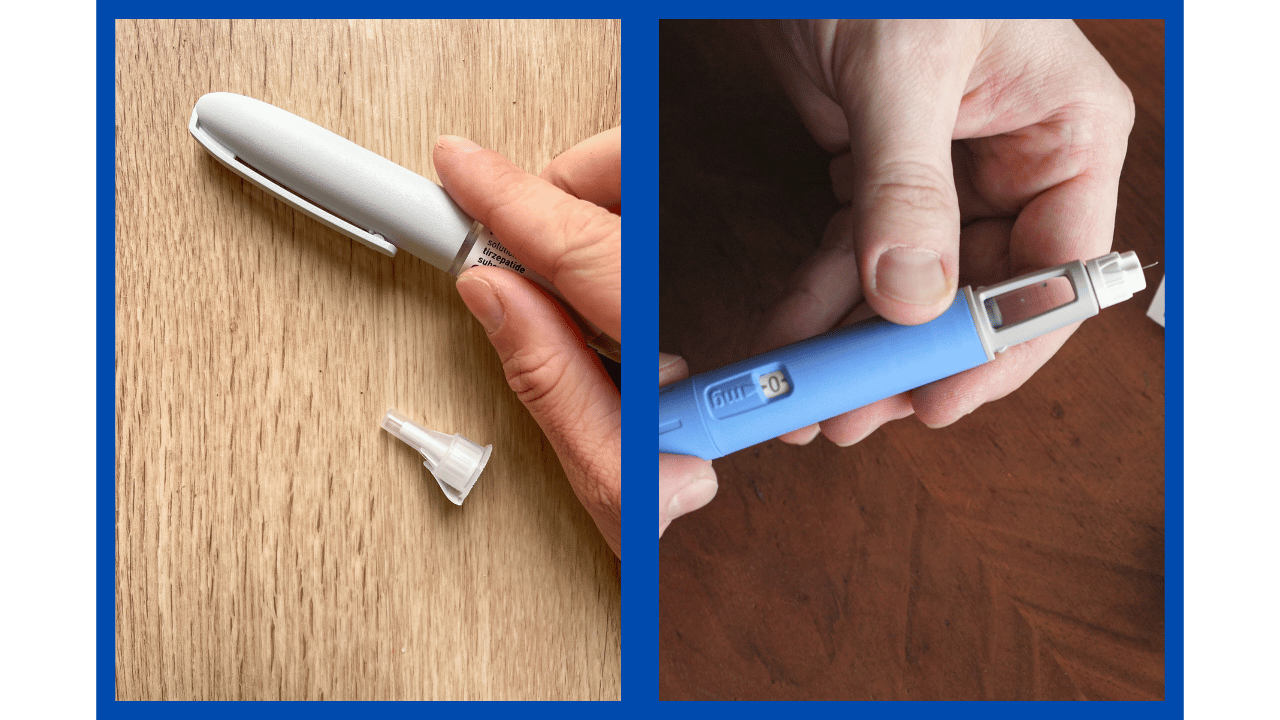
Medications like tirzepatide and other weight loss drugs like Ozempic are becoming more popular and accessible alternatives for those struggling with sleep apnea. Taking tirzepatide or Ozempic for sleep apnea might help to support the weight loss process and open your airways to make breathing easier at night. 

Early Research, Promising Results

While the use of these medications for sleep apnea is still being investigated, as are supplements for sleep apnea, early studies show promising results for those dealing with the disorder. Doctors at the University of California in San Diego recently called tirzepatide a ‘significant milestone’ in the treatment of obstructive sleep apnea, saying it may address both metabolic and respiratory complications.

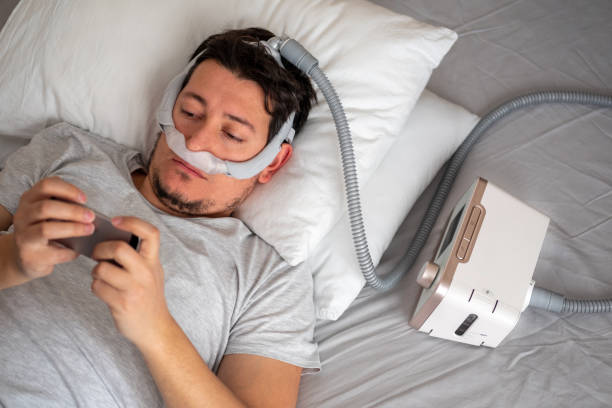
Researchers have found that tirzepatide significantly decreased how often a person experienced breathing interruptions while snoozing. Some didn’t even need a CPAP machine at night after taking it. The study also showed reduced risk of heart problems and improved their overall weight.

Due to its success, some companies have asked the US Food and Drug Administration to expand approval of weight loss drugs to address sleep apnea.

Even with the shifts some people see with tirzepatide or ozempic, depending on the severity of sleep apnea, how much weight there is to lose, and other variables, these medications aren’t appropriate for everyone and they aren’t without their limitations.

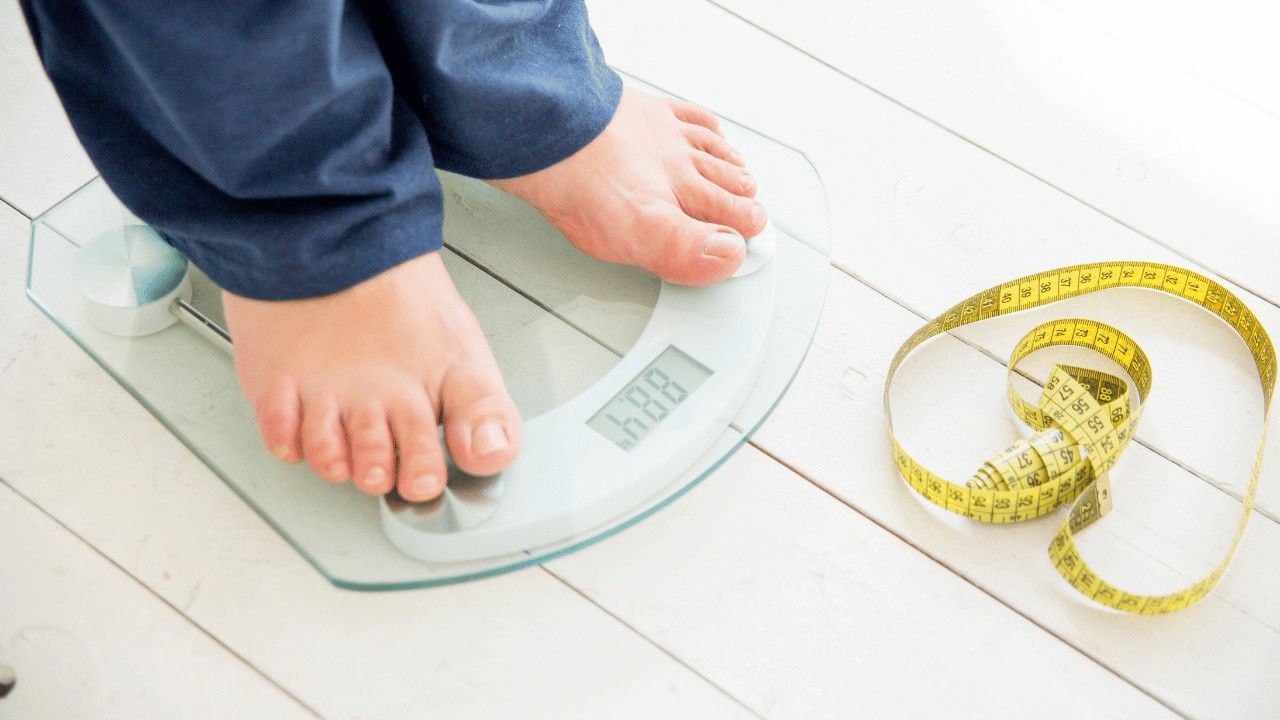
Many people with sleep apnea don’t lose enough with those medications to have a big enough impact on their sleep. For every 10 pounds of weight loss, there is estimated to be a reduction in apnea events of about 2-3 per hour. So if someone has severe sleep apnea with an AHI over 50, they’d have to lose a lot of weight and be able to keep it off with time.

It’s also important to remember that there are a growing number of people with a normal BMI who don’t have any weight to lose. This is something people often ignore or don’t think is true when they don’t understand how breathing patterns can become a problem in people of all ages, sizes, and backgrounds.This is something I cover in my book, Sleep Apnea Solution.
How Do These Drugs Work?

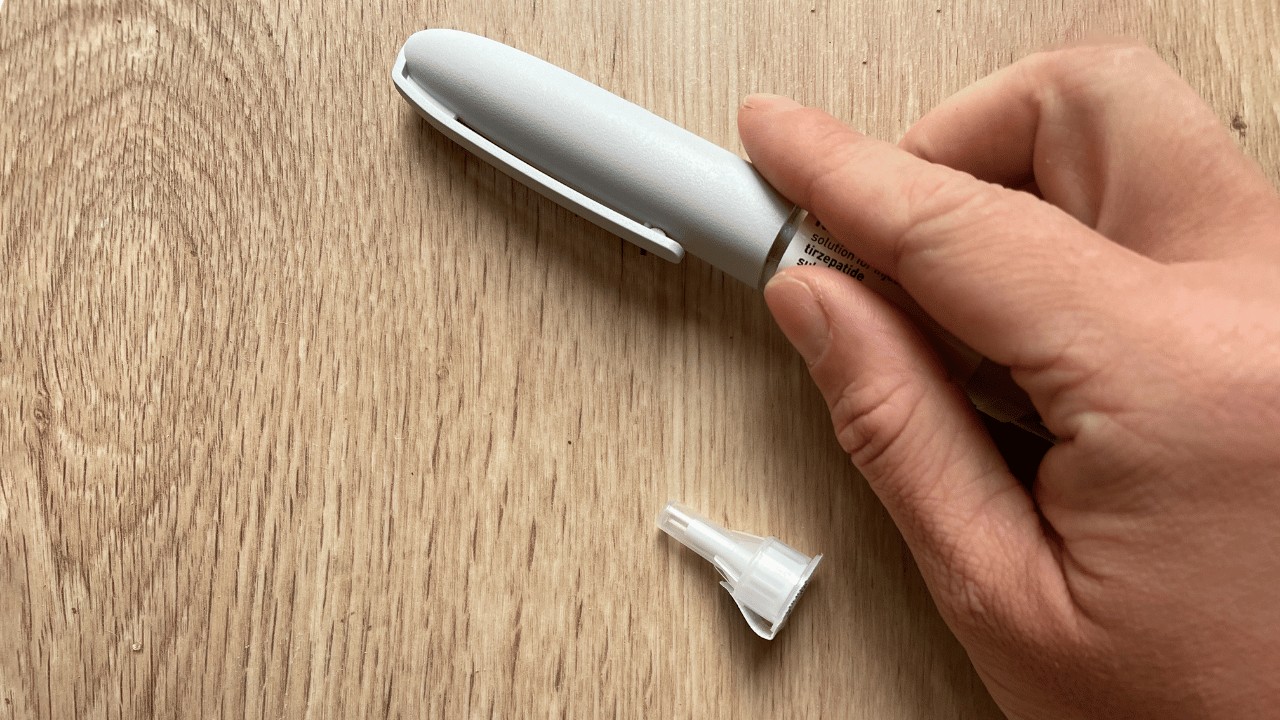
Usually used to manage diabetes, the most common weight loss medications can help improve sleep apnea. These medications can reduce the fat a person may have around their throat and neck that pushes on the airway, making it narrower and more likely to collapse while sleeping. 

If this happens, the obstruction blocks airflow. This is why if you have sleep apnea, you may feel restless, keep everyone up with your snores, or constantly wake up gasping for air. 

Medications designed for weight loss help reduce the amount of fatty tissue around the airway and make it easier for air to pass through. This could lead to fewer breathing interruptions at night, encouraging better breathing and more restful sleep.

However, weight loss medications aren’t a standalone cure for all your sleep apnea struggles. If approved by your doctor, they may be an effective part of a larger treatment approach.
A Broad Approach to Sleep Apnea

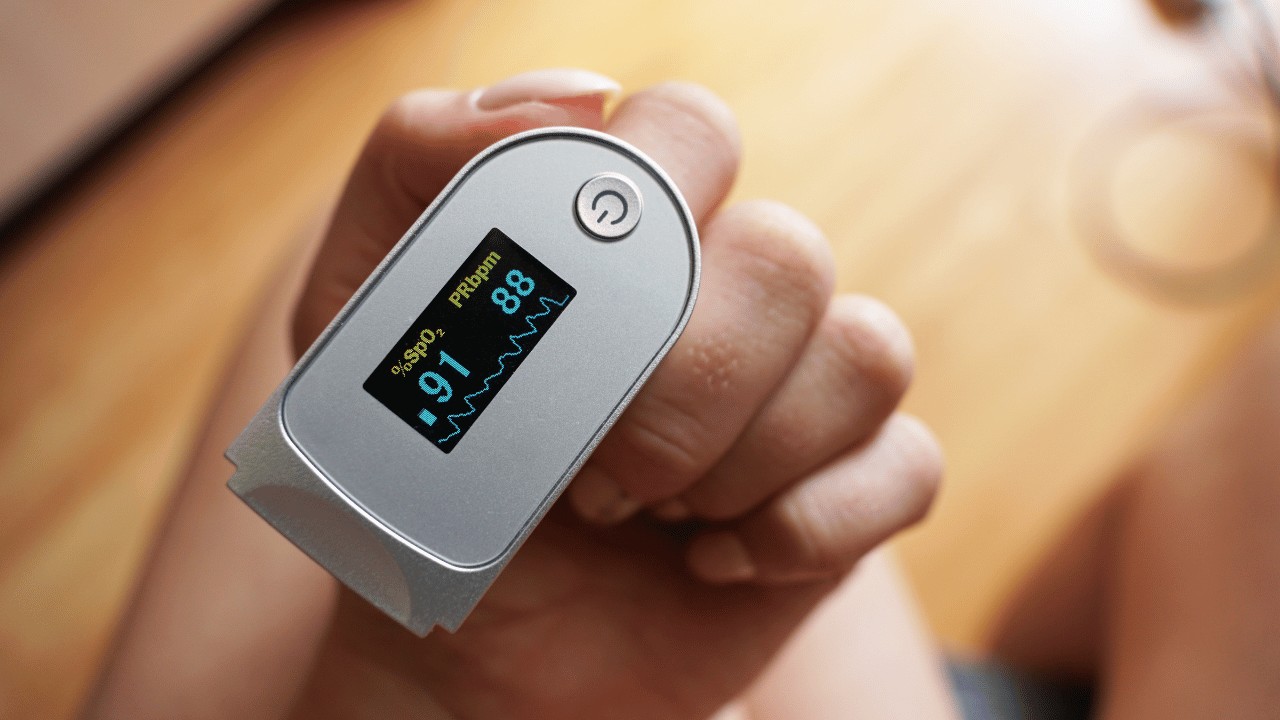
Some doctors may recommend using oxygen for sleep apnea to help improve oxygen levels during sleep, although this approach is usually used alongside other treatments like CPAP therapy. So far, early studies show weight loss medications can also help manage sleep apnea symptoms to some degree and in some people.

However, at Optimal Circadian Health, we believe the best results come from also supporting breathing and sleep naturally. Here are a few key areas we focus on:

  • Improving nutrition
  • Retraining breathing
  • Aligning circadian rhythms
  • Resetting and supporting your nervous system

The book, Sleep Apnea Solution, offers resources that dive into each of these areas and help you take action toward enjoying more nights of uninterrupted, restful sleep. At Optimal Circadian Health, we’re here to support you every step of the way because we feel everyone deserves a refreshing snooze!
Read More

Oxygen Saturation in Sleep Apnea

Oxygen Saturation in Sleep Apnea

Testing for oxygen saturation during the night can be useful for sleep apnea sufferers to monitor their sleeping patterns and the number and severity of breathing disturbances they have. Oxygen desaturation (dips in blood oxygen) happens when breathing pauses, temporarily causing those levels to fall.

Alongside tests like overnight pulse oximetry, keeping track of your sleep quality, the frequency of interrupted breathing, and how beneficial breathing techniques are impacting your sleep apnea can be part of a targeted approach.

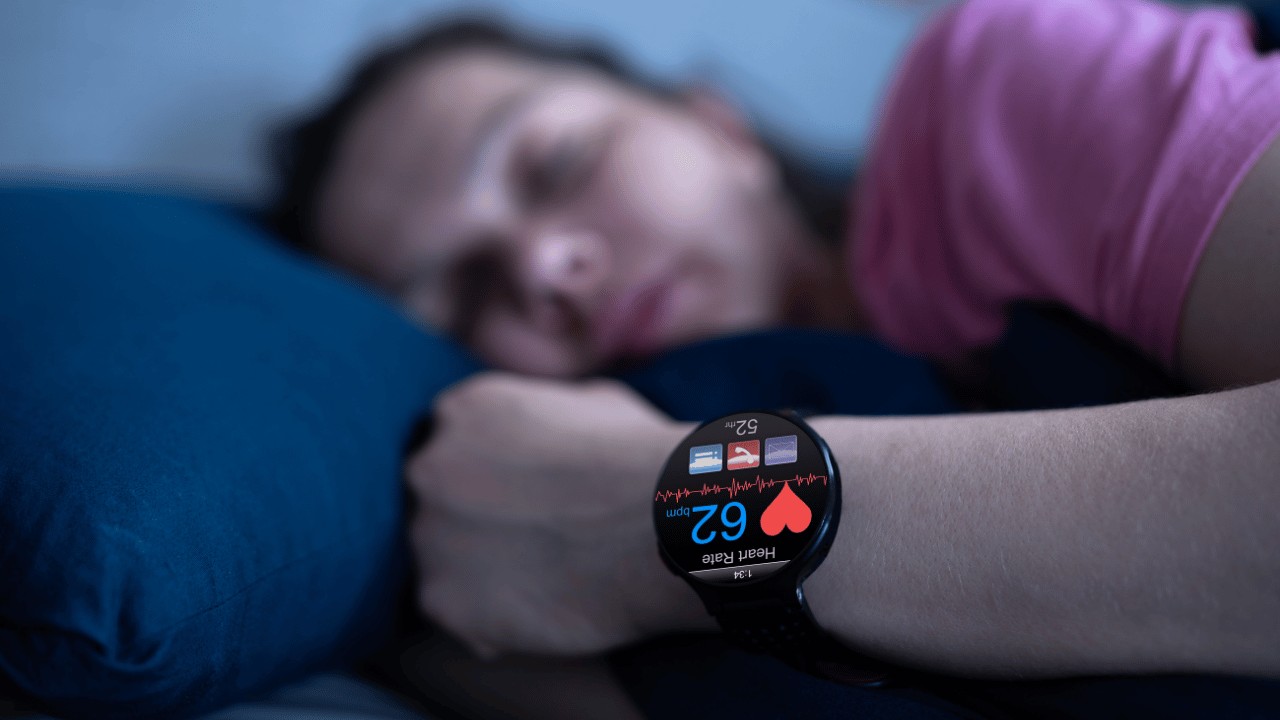
Today, we’ll explain why oxygen saturation matters and discuss some of the best sleep apnea tracker and wearable tech devices you might choose to invest in, such as a Fitbit or an Oura Ring, to help monitor nighttime breathing.

Sleep Apnea and Oxygen Saturation: The Basics

There are many ways physicians and sleep specialists identify sleep apnea or review progress to determine the right treatments and lifestyle changes. Oxygen saturation monitoring is one of the most frequently used types of testing, as it reviews whether your oxygen levels fall below the healthy levels for a person of your age and general health.

People with sleep apnea often experience fluctuations. Their oxygen levels might remain consistent for much of the day or during lighter rest but drop suddenly and dramatically to as low as 70% in more severe cases at night.

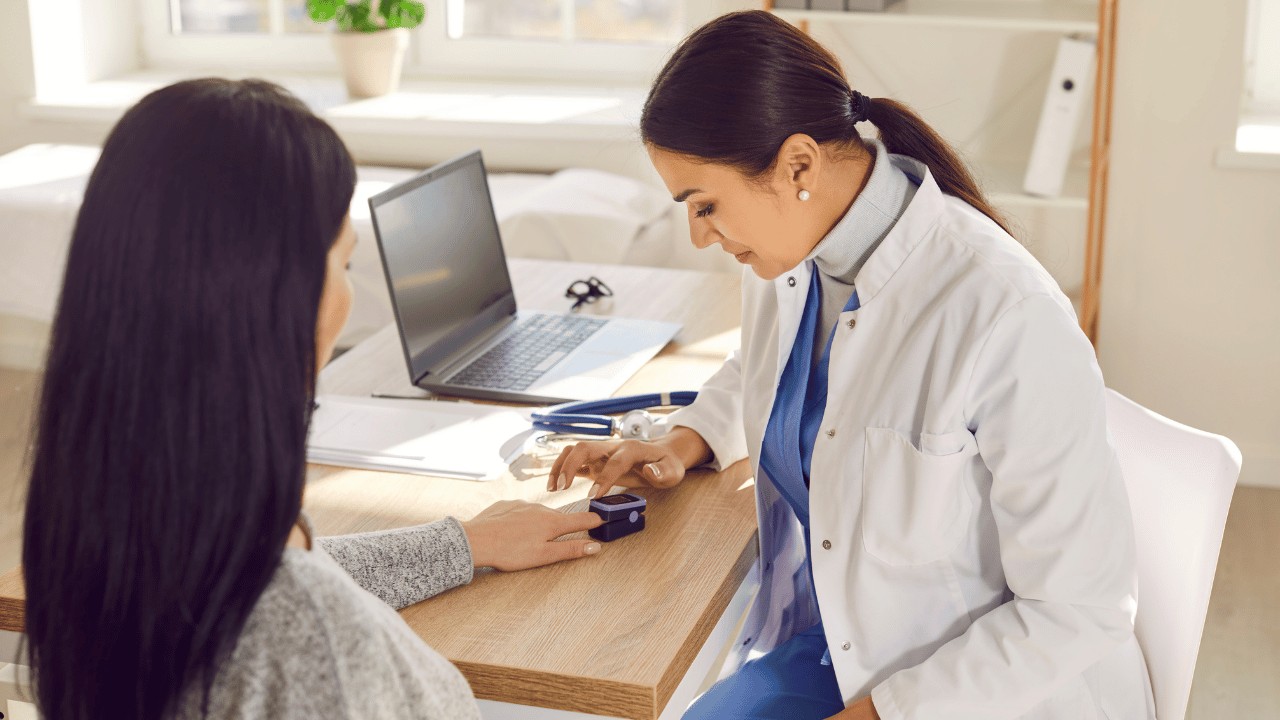
Blood oxygen can be tracked and recorded with medical testing, such as overnight pulse oximetry. This test uses a device that clips onto a finger and stores the data captured into a device connected to it with a cable.

Alternatives include smartwatches and wearables, which, although not recommended for use instead of a properly calibrated medical testing system, can provide useful insights in addition to your official studies with your doctor.

Using Wearable Tech to Monitor Oxygen Saturation Levels

Smartwatches and devices like the Oura Ring can empower wearers to monitor and trace their own sleep, nutrition, activity levels, and general wellbeing–but they are not comparable to devices or tests performed or supervised by a physician. However, the functionalities and features built into wearable devices have evolved rapidly in recent years and provide more data and information that can help users see how their lifestyle, habits, and routines affect the way they feel and sleep.

Watches and wearables primarily rely on sensors that emit infrared light and measure data by monitoring how much of that light is reflected or absorbed, with a sensor either on the reverse side of a watch or inside a fitness tracker ring. There are caveats, but many wearables are fairly reliable when measuring oxygen saturation levels, also known as ‘SpO2,’ when resting, although the data collected is thought to be less dependable when you sleep.

This is because natural movement and variations in your sleeping position can impact the measurements taken, with wearables lacking the ability to recognize these factors. That said, some series of Apple Watch have been found to have the closest correlations in terms of SpO2 readings when compared to a medical oximeter, alongside the highest instances of overestimated measurements.

Some people opt for a less well-rounded fitness tracker and go for continuous pulse oximetry testing, which is closest to having some of the data your doctor collects.

Therefore, wearables might be a positive step forward in taking action to monitor your sleep and oxygen levels. Still, you should review the data with a degree of caution, recognizing that some results may be inaccurate, incomplete, and you may not be interpreting them correctly so always talk with your licensed medical practitioner.

Natural Ways to Augment Your Sleep Apnea Approach


If you have lived with sleep apnea for several years and recognize that measures to address your symptoms have been stagnant with your mouthguard or you haven’t tolerated a CPAP machine, the first step is to get your copy of Sleep Apnea Solution. This latest publication by Dylan Petkus MD, a leading authority on holistic and complimentary sleep apnea approaches, provides detailed guidance about how and why sleep apnea occurs, the underlying reasons your smartwatch or device records regular drops in oxygen saturation, and some of the steps you can take.

Examples include effective breathing techniques and following established nutrition information that support healthier sleeping, and easy adjustments for your sleep schedule and environment to give your body and mind the best opportunity to wind down and prepare for rest.

Once you have your copy and digested some of the valuable information shared, you can use this to inform your approach going forward. You can also use either an oxygen saturation test or a wearable device to monitor the impacts and see how your sleep quality and quantity change over time!

Read More

Ozempic for Sleep Apnea

Ozempic for Sleep Apnea

Perhaps you’ve tried supplements that help with sleep apnea and positional therapy for sleep apnea, but find it’s not enough. Some people struggling with snoring and restlessness are turning to medications for sleep apnea like Ozempic, a drug known best as a treatment for diabetes. 

For those with sleep apnea, the major potential benefit lies in Ozempic’s effects on appetite suppression and thus weight loss. A majority (but not all) of those who struggle with sleep apnea also deal with excess weight. New studies are finding that ingredients in Ozempic can promote weight loss, which hopefully leads to fewer breathing interruptions at night, as well. 

Better breathing could mean better sleep, more energy, and fewer groggy mornings. While it’s not a magic solution, it can be an option for some to consider incorporating.

How Weight Impacts Sleep Apnea

There are certain health conditions that can increase the risk of developing sleep apnea. For example, studies done by the American Diabetes Association reveal that roughly 60% to 90% of adults with obstructive sleep apnea (OSA) are overweight. Extra weight can narrow a person’s airways and make breathing more difficult, especially at night. This could lead to snoring, tossing and turning, trouble breathing, and other related issues. 

The symptoms of sleep apnea could lead to more weight gain, too. Not getting enough sleep can disrupt hormones that control hunger, leading to more cravings and overeating. Just one night of abnormal sleep can also lead to higher-than-average blood sugar and other metabolic markers, independent of food eaten. With worse sleep and worse metabolism, people with OSA often gain weight more easily because their body processes food differently. Not to mention that poor sleep leaves them feeling tired and less likely to be active during the day.

The Effects of Ozempic

Did you know that losing 10% to 15% of your body weight can significantly improve sleep apnea symptoms? While Ozempic isn’t officially approved for treating OSA, it’s not surprising that it may help ease some symptoms, depending on how much weight you have to lose and how bad your sleep apnea is. Getting rid of excess fat around the neck and abdomen can make breathing easier while sleeping.

Some companies have approached the US Food and Drug Administration for approval of weight loss drugs like Ozempic for treating sleep apnea. However, more research is needed to understand how these medications may improve sleep apnea. That said, early results are looking promising so far, depending on how you look at it. Losing 10% of body weight can be a lot. Perhaps an easier metric to gauge is by losing 10 pounds of body weight; people can see reductions in apnea events of about 2-3 events per hour. So for someone with severe sleep apnea at 60 events per hour, they’d need to lose a lot of weight to return to a normal range of up to 5 events per hour.

If you struggle with sleep apnea symptoms and are intrigued by the early results, it may be worth having a conversation with your doctor to see if weight loss drugs like Ozempic are safe for you and worth adding to your treatment plan.

The hope is that as a GLP-1 agonist, Ozempic will suppress hunger, you’ll eat less, and you’ll lose weight. Some people notice that they are already in a calorie deficit and either don’t lose weight, plateau, or even gain weight. So if that’s you, you’re not alone. Eating even less may not lead to weight loss as hoped. And even if eating less helps with weight loss, the hope is that it leads to better quality sleep for better hormone regulation and better metabolism. The truth is that there are many variables at play in sleep and metabolism, so Ozempic is not a panacea but a potential option that those who qualify can try to see how far they get with their licensed medical providers’ supervision!

Addressing Sleep Apnea Symptoms

While studies are showing that drugs like Ozempic may be helpful in promoting weight loss in people with OSA, they’re not a cure for the condition. Sleep apnea is complex and influenced by different factors ranging from genetics to lifestyle. The condition often requires a multifaceted approach to have the best outcomes.

At Optimal Circadian Health, we help people retrain their breathing so that they can breathe and sleep more easily with sleep apnea. The Sleep Apnea Solution book covers where breathing patterns go awry in sleep apnea and resources, including breathing routines, nutrition tips, circadian hacks, and more.

It’s about taking a simple step to enjoying more restful nights and energy-filled days!

Read More

Overnight Pulse Oximetry

Overnight Pulse Oximetry

Pulse oximetry is a type of testing that indicates whether the levels of oxygen in your blood are healthy, normal, and consistent. Frequent and severe dips in oxygen levels can be a telltale sign of sleep apnea or other respiratory conditions that impact breathing function while you sleep.

Several highly advanced wearable devices and watches incorporate blood oxygen sensors and other detectors that may offer insights into your sleep. If you’re intrigued by the metrics available, it may be worth comparing brands such as Oura and Fitbit, as well as the Apple Watch for sleep apnea.

However, it’s also important to clarify that different devices have varied functionality. Tracking the levels of oxygen saturation that sleep apnea sufferers commonly experience, such as significant drops at night, is just one way to inform your sleep apnea approach.

What Is Overnight Pulse Oximetry, and What Does it Measure?

Physicians and sleep apnea specialists may recommend an overnight pulse oximetry test to accurately estimate the extent and frequency of sleep disturbances, temporary pauses in breathing, or drops in blood oxygen levels. While pulse oximetry is one of several testing processes clinicians might use to diagnose or detect sleep apnea, it is also commonly used for other sleep disorders and isn’t a test specifically intended to identify sleep apnea alone.

Medical pulse oximetry tests usually involve a plastic clip that fits over the end of a finger and stays there for the night, often secured with a small strip of tape. This unit has a cable or wire connected to a box that collects the data recorded during your sleep pattern. Sleep apnea sufferers who use a CPAP machine might also have a pulse oximetry test, which feeds into the CPAP, although more modern alternatives tend to have adhesive strips that you stick to your skin.

How Does Pulse Oximetry Monitoring Help With Sleep Apnea?

Pulse oximetry is a broad-scope test that determines whether your oxygen levels fall below the ‘norm,’ which is usually assessed to be about 88% for adults and 90% for children. If your blood oxygen dips any lower, you may require treatment or might be given a diagnosis. Now, for sleep apnea evaluations, it’s not as simple as looking at a dip below 88%. There are specific metrics that make a change in the pulse oximetry readings qualify as an event, and then those events are counted per hour. Pulse oximetry may follow additional tests to rule out other sleep disorders, respiratory infections, or underlying conditions that are causing low oxygen levels.

However, there are limitations here. While oximetry testing may be accessible and low-cost, and devices are available in pharmacies alongside wearable tech that incorporates oxygen sensors, the data isn’t always 100% reliable because over-the-counter devices aren’t regulated.

On top of that, people often lack the knowledge on how to best use them and interpret the data. Fluctuations in blood oxygen can come down to a huge range of potential issues or disorders. Simple issues like the quality and adhesion of the clip or strip that records data can mean the results become skewed if you move a lot during your sleep. Likewise, sleep specialists know that the stage of sleep and your normal sleeping position can also impact your recorded blood oxygen, such as sleeping on your back, which isn’t something a pulse oximetry test can account for. So there are a lot of different variables to consider in reviewing data.

Can Smartwatches and Wearables Provide Reliable Pulse Oximetry Readings?

Some more innovative wearables have the technological features to record blood oxygen saturation, such as the Oura Ring, which has an infrared sensor like those used in the finger clips provided as part of an overnight pulse oximetry test. While there are other options, including Apple Watches and Fitbits, the Oura Ring is broadly seen as a better device for more accurate blood oxygen monitoring.

These wearables are fitted with PPG technology, which can identify small variations in blood oxygen to a fairly high level of accuracy. Smartwatches and wearables are not an alternative or replacement for proper clinical testing, but if you already have sleep apnea and are looking to modify your approach to boost natural nighttime breathing, it may be useful to understand how often and to what extent your blood oxygen changes. However, it’s importaant to know that these devices do not measure oxygen saturation continuously so that’s where a continuous  pulse oximeter can make more sense for some people.

The essential element when using any overnight test, wearable, or device is to ensure you know how to act on the data recorded or what your results mean. That’s something you can start discussing with your licensed medical provider.

Then people typically will look at patterns they see and what variables improve their oxygen saturation at night and what factors worsen it. Readers of the Sleep Apnea Solution book will test different nighttime breathing routines and other tips that can support easier breathing and sleep. By using pulse oximetry or activating blood oxygen notifications through a smart device, you can gain a better understanding of how following natural breathing exercises, circadian supporting routine, and tips on a positive sleep environment can support more refreshing sleep!

Read More

Apple Watch for Sleep Apnea

Apple Watch for Sleep Apnea

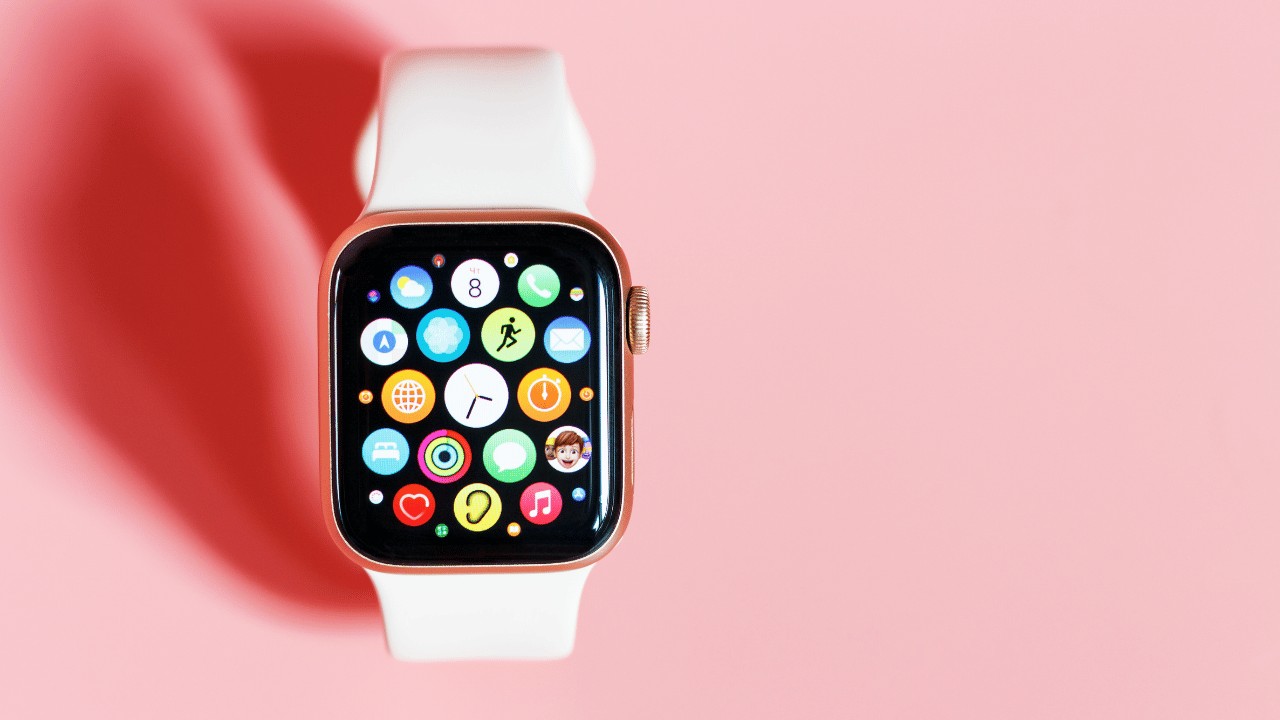
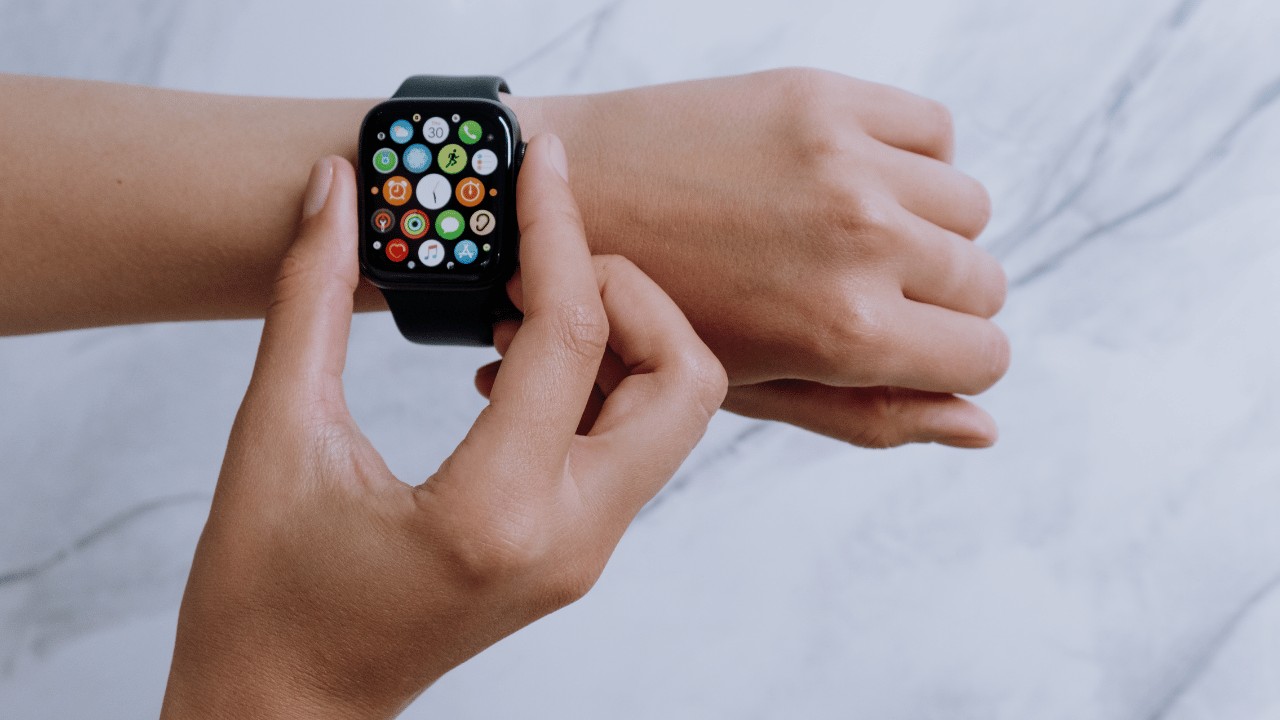
The latest generation of smartwatches incorporate technology that can track oxygen levels, the quality of your sleep, and the number of hours of restorative REM sleep you get per night, which may provide insights into whether efforts to support sleep apnea are making a difference. Apple’s newer models contain these functions, although sleep apnea-specific tracking is only available on the Series 9 or Ultra 2 watch or more recent editions. Older smartwatches monitor sleep but don’t have sleep apnea notifications.

While smartwatches are not medical devices and do not provide overnight pulse oximetry, nor can they accurately diagnose sleep apnea, it may be worth comparing alternatives like the Oura Ring and the Fitbit if you’re looking to promote healthier nighttime breathing and keep track of your rest.

How Can Wearable Tech Be Used By Sleep Apnea Sufferers?

Fitness trackers and smartwatches can record a host of metrics, from your daily footsteps to your average heart rate. They can’t necessarily differentiate between sleep apnea and other sleep disturbances but might be used to notice correlations between waking events.

One of the newest features available on later Apple Watch models is Sleep Apnea Notifications. This feature notes variations in your breathing while you are sleeping and attempts to grade those disturbances in order of severity.

There are caveats to bear in mind:

  • A smartwatch records sleep activity in general and cannot tell the difference between disturbed breathing due to a cold or respiratory illness and that related to sleep apnea.
  • The ‘accelerometer’ within an Apple Watch categorizes breathing as either ‘elevated’ or ‘not elevated’ without any greater degree of specificity.
  • Notifications are based on aggregated sleep data over a thirty-day period, which means that they are averages and are only available if you wear your watch consistently for at least ten nights per month.

Sleep apnea sufferers may, though, opt to wear an Apple Watch or another brand of smartwatch to help them look for signs of sleep apnea or see whether changes they are making to support healthier breathing are resulting in any changes in their data.

Guidance on Setting Up Sleep Apnea Notifications on Your Apple Watch

Provided you have an Apple Watch model that supports sleep apnea notifications, you can set this up to record automatically. If the watch detects frequent breathing disturbances, it will transmit an alert with a PDF report of the recorded data, which you can discuss with your physician.

To set up the notifications, you will need to:

  • Head to your ‘Health’ application
  • Tap on your initials or image
  • Select ‘Health Checklist’
  • Pick ‘Set Up’ underneath ‘Sleep Apnea Notifications’
  • Following the set-up instructions

Once activated, you can access the Health app and navigate through Respiratory and Breathing Disturbances to retrieve your latest data. Note that Apple has advised that this feature is only designed for adults aged eighteen and older and is not intended for individuals without a sleep apnea diagnosis or as an alternative to professional medical care.

Monitoring Sleep Quality as Part of Your Sleep Apnea Approach

As we’ve indicated, smartwatches aren’t clinically efficient. Still, they may be a handy way to identify whether the breathing techniques and healthy sleep hygiene strategies outlined in Sleep Apnea Solution are having the desired effects.

Keeping track of your sleep–both in terms of quantity and quality–is also generally a positive way to make healthy lifestyle changes, particularly if you have noticed that you feel fatigued in the morning or suspect that your sleep is mainly lighter sleep that doesn’t help you feel energized and ready for the day ahead.

Alongside being proactive about monitoring your sleep, it may be worth reviewing your sleep environment to ensure you are setting yourself up for rest in the best possible way, following the usual advice of avoiding caffeine and stimulants in the evening, maintaining a comfortable, cool temperature, and being able to wind down with something relaxing before bed. Following a consistent sleep schedule is also a great idea, as it can help your body become accustomed to the same sleep and waking times each day.

To learn more about natural ways to augment your rest and holistic ways to boost your breathing at night, order your copy of Sleep Apnea Solution, and make sure you have your sleep apnea notifications activated to monitor for any patterns you notice!

Read More

Positional Therapy for Sleep Apnea

Positional Therapy for Sleep Apnea

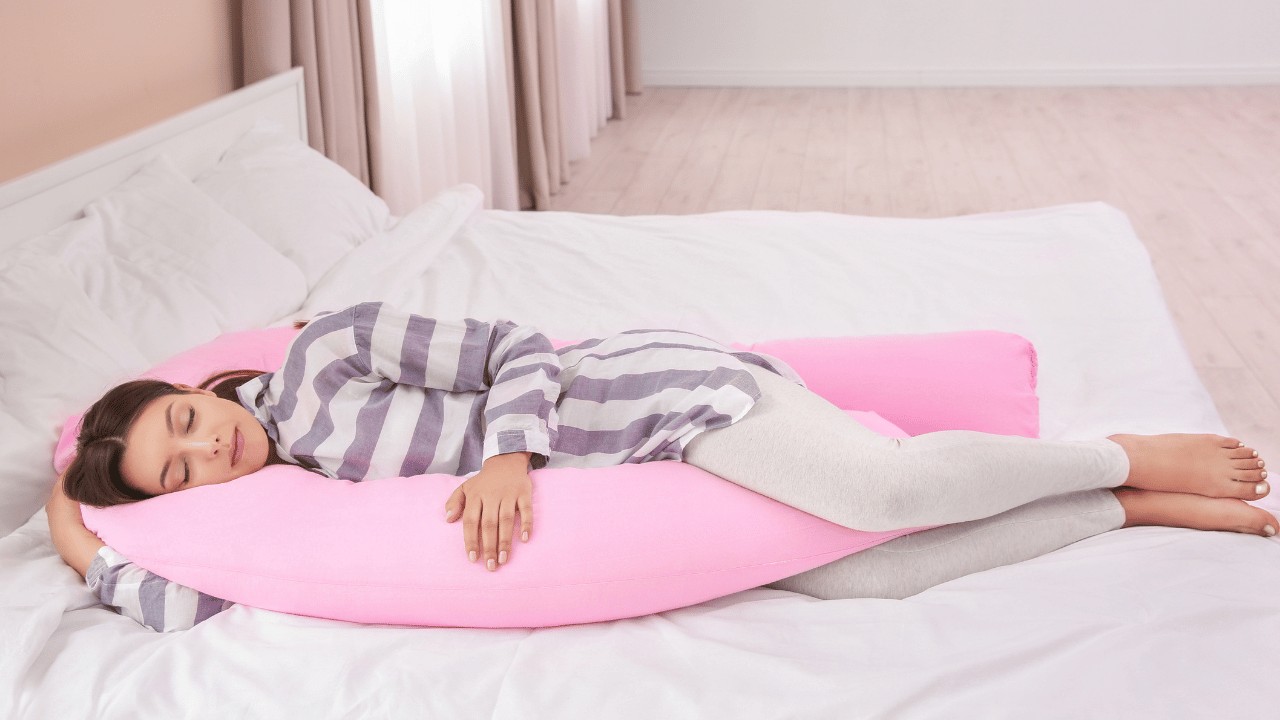
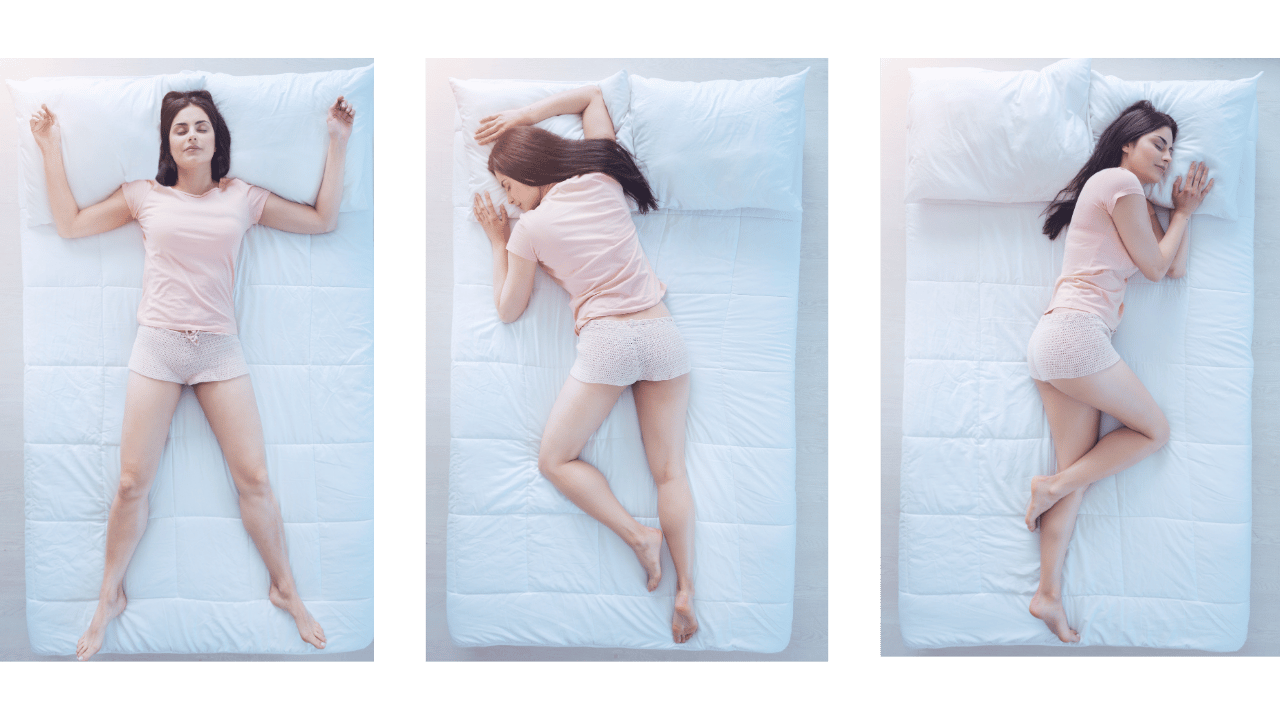
Positional therapy helps train you not to sleep on your back. To do this, some may use special pillows or wearable devices to cut down on their back sleeping and create a new, healthy habit of side sleeping. For many people, this can help ease their sleep apnea symptoms. In some cases, it can help people avoid or reduce the need for CPAP machines, sleep apnea relief supplements, and other treatments.

How Does it Work?

While some try essential oils for sleep apnea or Ozempic for sleep apnea, others find that adjusting their sleep position provides some relief. The main goal of positional therapy is to keep you off your back because this position can make it harder to breathe smoothly. Sleeping on your side keeps your airways open.

Over time, your body can be trained to stay on its side when sleeping, which will cut down on annoying sleep apnea episodes so you (and anyone near you) can get a good night’s rest.

Now, if you’ve had a sleep study, they often will note how many events you had in different positions to verify which positions you have the fewest events.

Positional Therapy Techniques to Try

Here are a few techniques you may consider trying to find some relief:

  • Side-sleeping pillows: Use a wedge or body pillows to keep you on your side.
  • Positional therapy belts: Try a wearable belt that creates a little resistance to keep you from turning on your back.
  • Vibrating wearables: Use a small device that gently vibrates when you roll onto your back. This should prompt you to roll back onto your side.
  • The tennis ball trick: Place a tennis ball or similar object into the back of your pajamas to discourage rolling onto your back.
  • Smartphone apps: Some apps can track and monitor your sleep position, letting you know if you don’t stay on your side.

These techniques may be worth a shot if you’re dealing with intense restlessness at night.

Addressing the Core Cause of Sleep Apnea

Changing your sleep position can be one way to minimize apnea events right now, but working on shifting breathing patterns can be powerful. Our goal at Optimal Circadian Health is to give people struggling with sleep apnea the resources they can use to support easier breathing and sleep more soundly.

The Sleep Apnea Solution book outlines how breathing goes awry with sleep apnea, and specific breathing routines to help shift those patterns so you can sleep more soundly.

Read More

Essential Oils for Sleep Apnea

Essential Oils for Sleep Apnea

There are thousands of plant-based sleep apnea remedies on the market, along with supplements to help with sleep apnea, which may vary in effectiveness, depending on your overall health, sleep habits, and the nature of your symptoms.

For many, the best ways to enhance natural sleep are to focus on a holistic approach, with positive lifestyle changes, sleep-promoting and anxiety-reducing routines, and learning powerful breathing techniques that can support healthy nighttime breathing. In this guide, we’ll discuss the potential relief essential oils may offer, along with other non-medical approaches, such as positional therapy for sleep apnea, that you may wish to try.


Comparing Natural Approaches for Sleep Apnea

As most sleep apnea sufferers will know, there are countless possible ways to support better breathing, starting with your doctor’s prescribed medications and CPAP machines to focusing on complementary, more sleep-inducing lifestyle and routines, managing stress, and ensuring a well-balanced diet and nutrition.

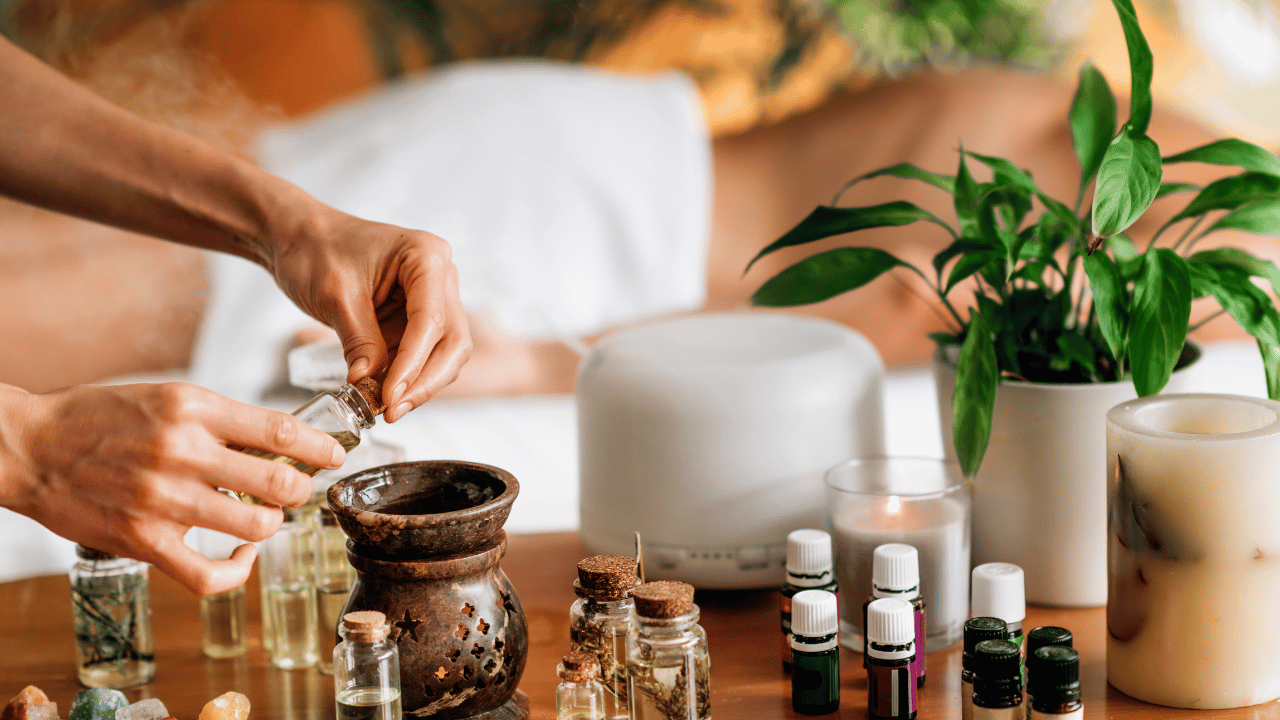
Essential oils have been used in alternative medicine for many years, and some forms of aromatherapy are thought to be useful. Aromatic plant oils can help balance the chemicals in our brains that help us feel calm and relaxed, including serotonin and endorphins.

The basics are that when we have a good balance of these ‘feel-good’ hormones, our brains also produce melatonin, the hormone we rely on to wind down and drift off to sleep. Products made with eucalyptus, lavender, and peppermint oil are also thought to help lower the amount of mucus in the airways, contribute to a relaxed mood, or augment the way sleep apnea sufferers perceive that conventional medicinal approaches are working.

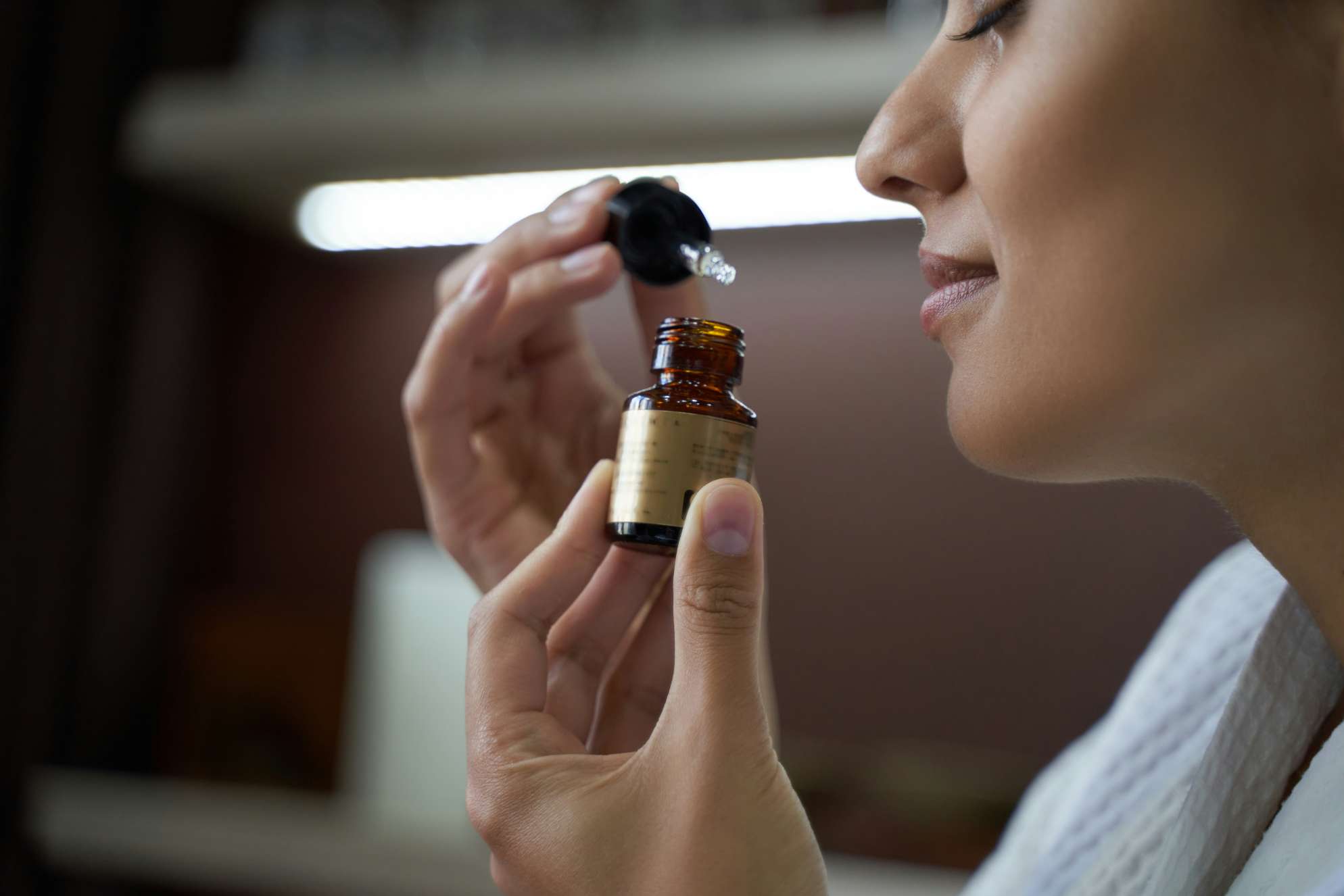
You might want to try using a diffuser–keeping in mind that essential oils should not be used in a CPAP machine. Apply massage and body creams infused with essential oils, or purchase bath foams and products designed to help in natural relaxation.

Is There Proof That Essential Oils Can Help Improve Nighttime Breathing?

Sleep apnea can be complex. While obstructive sleep apnea is more likely to respond to natural approaches, it remains key to follow the guidance of your physician and avoid making any changes to your routine without first verifying that they are safe and appropriate for you.

However, there is evidence, albeit limited, that some types of essential oils positively impact sleep or anxiety–while not being considered a standalone treatment or alternative.

A systematic review, which analyzed a range of studies and clinical trials, found that essential oils have some applications in addressing mild sleep disturbances. Most research is based on lavender oil.

However, the findings state that inhaled essential oils are possibly a ‘safe alternative’ to medical interventions for those with less severe sleep disturbances. They also note that more studies are necessary to reach more definitive results.


Finding Natural Ways to Help Overcome Sleep Apnea

We mentioned positional therapy, which involves changing the way you sleep, usually switching to sleep on your side, to try and reduce the way sleep apnea disrupts your sleeping pattern.

This can involve using special pillows to support a particular posture and alleviate pressure on your airways. Varying studies have contrasting outcomes, with some noting positive reductions in the number of waking instances per night and others finding that positional therapy made little change to quality of life.

That said, you may find that adjusting your sleeping position is helpful because much depends on the factors contributing to your sleep apnea. Other things to support breathing may include adding beneficial supplements, plants, and herbs to your diet, practicing meditation to reduce stress and anxiety around bedtime, and adapting your sleep routine with a focus on good sleep hygiene and a restful sleep environment.

Many encouraging studies indicate that essential oils, alongside other holistic changes, may have positive outcomes. You’ll find more in-depth information and breathing techniques in the Sleep Apnea Solution to help support easier breathing at night.

Read More

Plant-Based Sleep Apnea Remedies

Plant-Based Sleep Apnea Remedies

While many people consider buying the best supplements for sleep apnea, studies have found that taking steps to be proactive about your general health and making positive lifestyle changes may be more effective than even the most potent essential oils for sleep apnea.

Research has found that a diet high in plants, including nuts, whole grains, fruit, and vegetables, can reduce the likelihood of developing obstructive sleep apnea. In contrast, a diet high in sugar, salt, and refined carbohydrates can contribute to an increased prevalence of the condition.

Although there is no suggestion that switching to a 100% plant-based diet could cure or reverse sleep apnea, there is some evidence that indicates a link between nutrition and health. Incorporating plant-based foods is proven to help reduce the severity of symptoms and side effects such as fatigue, stress, and cardiovascular complications.

Plant Power and Sleep Apnea: The Basics

Depending on their general wellbeing and health, sleep apnea sufferers may have different symptoms and opportunities to adjust their diet, lifestyle, sleep routines, and bedtime environment. However, many people find that making intentional changes can prove an important part of their approach to promoting healthy nighttime breathing.

For example, you might use a peppermint oil sleep apnea diffuser to clear your airways, focus on higher levels of physical activity and movement during the day, and practice effective breathing techniques to reinforce a stronger, healthier airway, all of which could help with better sleep quality.

The connection between plant-based products and sleep apnea requires further research. Still, many specialists feel that dietary interventions can be key for people with obstructive sleep apnea who also have a suboptimal diet.

Plants factor into this because the natural antioxidants, lower fat content, and anti-inflammatory properties of many plants are used in reduced salt and reduced sugar diets and can contribute towards a more balanced nutritional profile. Therefore, eating a higher number of plants per day or swapping some heavily processed meals for plant-based alternatives may be beneficial, especially if you have identified deficiencies or higher amounts of saturated fats within your diet.

How to Introduce More Plant-Based Products Into Your Routine

While changes to your diet are one option, you can also look at alternative products and lifestyle adaptations to augment your lung function and respiratory efficiency and help lower the impacts of stress on your sleep. They could include:

  • Stopping smoking and reducing alcohol intake
  • Maintaining a healthy weight and committing to regular physical activity
  • Reducing sugary drinks and ultra-processed foods
  • Adding more fresh herbs and herbal teas into your routine

There are conflicting opinions, but some believe that herbs like valerian root, passionflower, and more familiar herbal teas like peppermint, chamomile, hibiscus, and lavender can help promote healthier nighttime breathing.

Supporting Healthy Circulation and Nitric Oxide Levels with Hibiscus

Hibiscus is a botanical herb rich in polyphenols and anthocyanins, plant compounds known for their antioxidant properties. These compounds help support a healthy inflammatory response and overall cardiovascular wellness.

In addition to its antioxidant activity, hibiscus has been studied for its ability to support healthy blood vessel function and nitric oxide balance. Nitric oxide plays an important role in vascular relaxation and circulation, which are key components of overall cardiovascular health.

Because circulation and oxygen delivery are foundational to many aspects of wellness, FlowBreathe supplement combines hibiscus with beetroot extract and apple polyphenols to provide synergistic support for healthy blood flow and nitric oxide production.

These statements have not been evaluated by the Food and Drug Administration. This product is not intended to diagnose, treat, cure, or prevent any disease.

Other Ways to Help Boost Natural Breathing

Sleep apnea sufferers can consider many natural approaches, such as practicing the breathing routines we’ve mentioned, meditation to prepare for a relaxing night’s sleep, and changing their sleeping position–alongside following any prescribed medications or treatments recommended by their practitioner.

Should you intend to make changes or would like to introduce holistic medicines into your schedule, it’s always wise to consult your physician first. Some herbal teas and supplements are not advisable for specific groups of people, including those with underlying medical conditions and pregnant mothers.

However, by incorporating essential nutrients, sleep-promoting herbal teas, and a more plant-based diet, you may find that the positive impacts on your health and relaxation are also helpful in enhancing natural sleep. Further information and specific breathing routines you can incorporate are available in Sleep Apnea Solution, the latest book from sleep and breathing educator Dylan Petkus, MD. It outlines several ways to support sleep apnea naturally!

Read More

Pin It on Pinterest