Do you ever wake up suddenly in the middle of the night, gasping for air even though you didn’t have a nightmare? Do you feel groggy and drowsy during the day, despite sleeping a full eight hours? Is your partner always kicking you at night to stop snoring? These could be signs that you have sleep apnea.
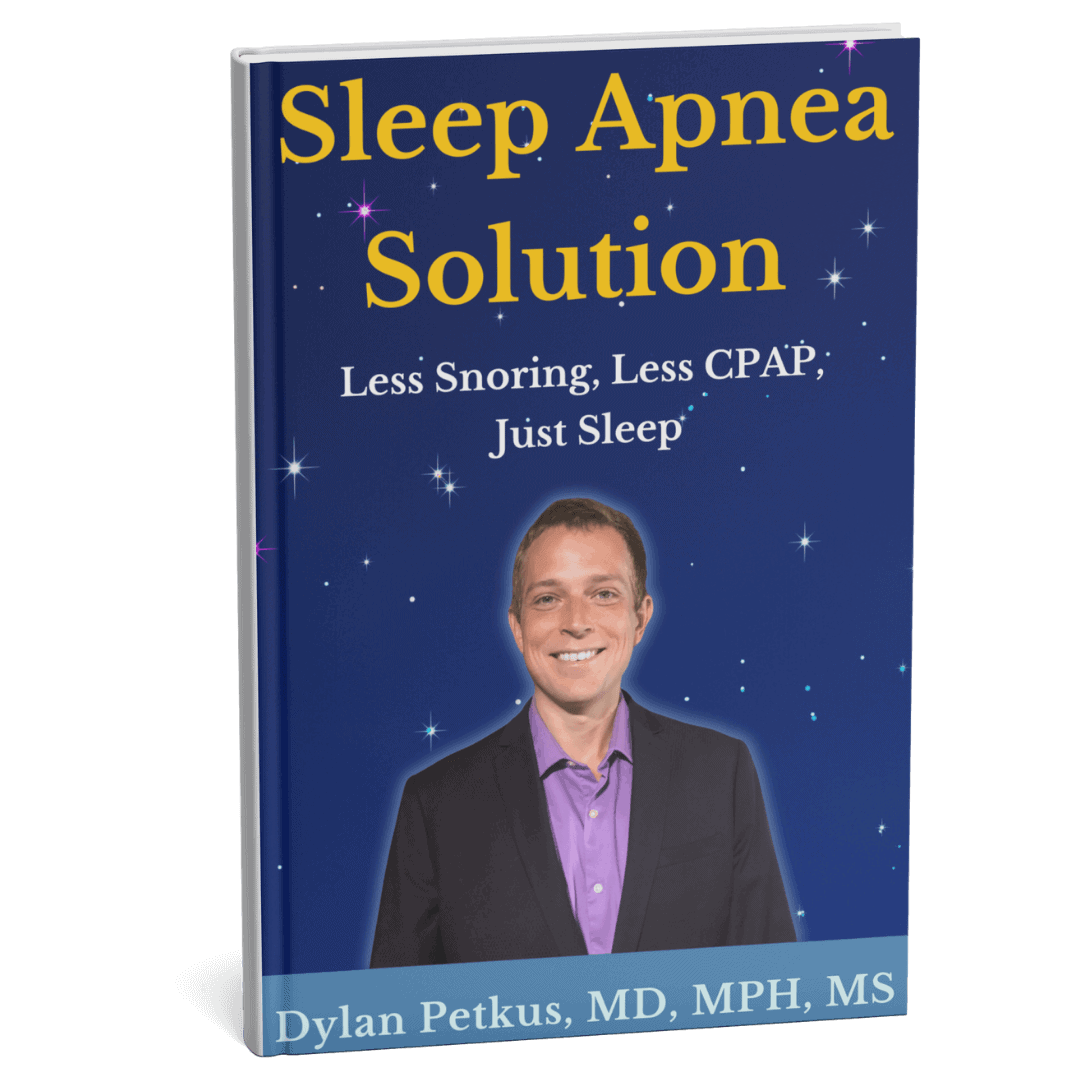
In Dylan Petkus, MD’s Sleep Apnea Solution book, he details the most common signs and symptoms of sleep apnea as well as how he became free of it. If you experience snorting, snorting, or gasping; restless sleep; daytime sleepiness; or fit the bill for the standard sleep apnea patient, you may have sleep apnea. However, if you suspect you have sleep apnea, please consult with a licensed medical professional for a formal diagnosis and treatment plan.
What Is Sleep Apnea?
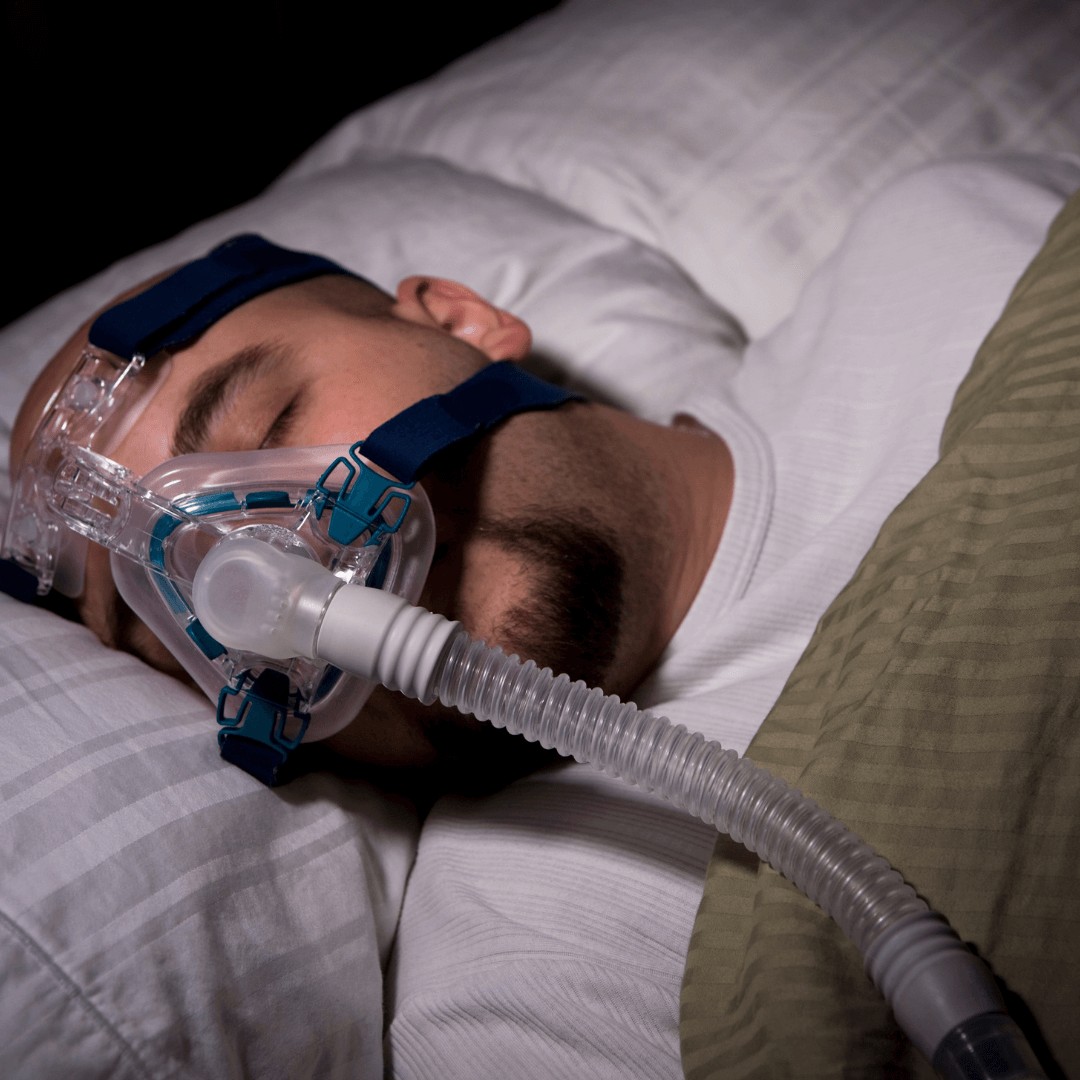
Sleep apnea is a chronic sleep condition in which your airways experience a blockage or air is unable to pass through your airways during sleep. There are multiple types of sleep apnea, but the two most common are obstructive sleep apnea (OSA) and central sleep apnea (CSA).
OSA is the most common type in the United States, and occurs when an anatomical blockage (i.e. the throat muscles relax) keeps air from entering the lungs. CSA is less common, occurring when the brain doesn’t send the right signals to the muscles in your body that control breathing.
Who Gets Sleep Apnea?
Anyone can get sleep apnea, but it is most commonly diagnosed in individuals between the ages of thirty and seventy. CSA is more common in men, but rates for women increase after menopause.
Individuals with a family history of sleep apnea may also be more likely to develop sleep apnea. Being overweight or obese can also contribute to a sleep apnea diagnosis. That said, you can be of normal weight and still have an abnormal breathing pattern at night like what happened to Dylan Petkus, MD.

Sleep Apnea Warning Signs
Even if you don’t fit the profile for the typical sleep apnea patient, there are other warning signs that could mean you have it.
If someone makes fun of you for your constant snoring, snorting, and gasping, your upper airway might be obstructed. However, just because you snore doesn’t mean you have sleep apnea. Snoring occurs because of a narrowing or partial blockage in the airway, in which air struggles to pass through and thus makes the snoring noise.
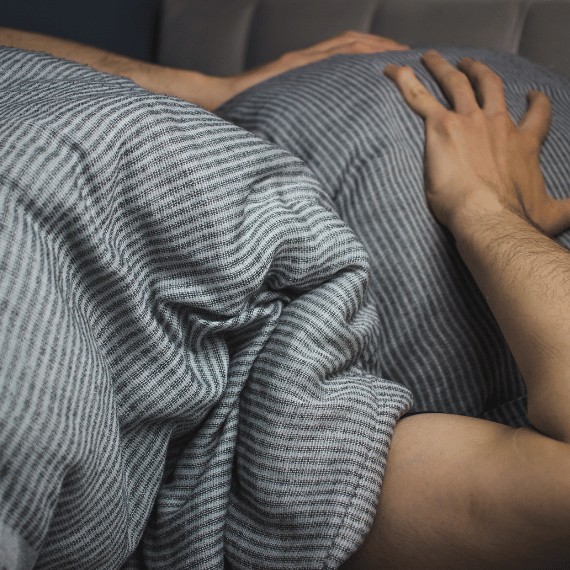
It’s also common for people with sleep apnea to wake up with their heart pounding or toss and turn with restless sleep. If you’re kicking, thrashing, or waking up in a twisted pile of sheets, it could be because your body is fighting to keep your airways clear as you sleep. Check with your healthcare provider to rule out other possible conditions, such as restless leg syndrome or insomnia.
Finally, if you’re consistently tired after a full night’s rest, it could mean your quality of sleep is not very ‘high-quality.’ Daytime sleepiness and grogginess happen when the body can’t recover and produce enough energy for daily functions. This reduced capacity to function can manifest as a poorer immune system and lower productivity levels. Low-quality sleep can also lead to strains on your mental health, including irritability and depression.
You may also wake up with headaches because breathing pauses interrupt sleep causing oxygen levels to drop and carbon dioxide levels to rise. This results in dilation in your blood vessels and increased inflammation, resulting in those awful headaches.
Is Sleep Apnea Serious?
After reading the above, sleep apnea sure feels like no joke. In fact, a sleep apnea diagnosis should be taken very seriously. Aside from the immediate effects of feeling tired, crabbier, achey, and snoring up a storm, sleep apnea can lead to a slew of health problems, including:
- Increased blood pressure
- Changes in mental function and mood
- Cardiovascular problems (stroke, heart failure, etc.)
- Type 2 diabetes
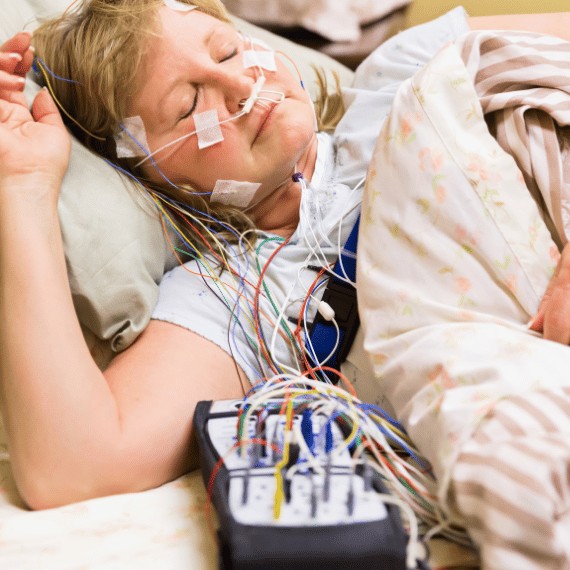
If you suspect you have sleep apnea, consult with a licensed medical professional for a formal diagnosis and to build a plan to help you manage your sleep apnea.
Better Approaches for Sleep Apnea
From a sleep apnea mouthpiece to a sleep apnea surgery, there are many ways to treat sleep apnea. However, surgeries can be invasive and expensive, and sleep apnea mouthpieces or machines can be uncomfortable and noisy. The goal is to have more restful sleep, so what methods work best for you?
You’ll want to discuss the most appropriate medical treatment plan with your doctor, including natural methods that can complement their approach.
If you want to learn more about supporting easier breathing and sleep naturally, Dylan Petkus, MD’s Sleep Apnea Solution book explains how he and many others who’ve used these principles have achieved calmer breathing and deeper sleep.
Either way, start with something to move you closer to your goals. Check out our resources today!