The sleep apnea market is vast, with a wide array of products, creams, noise machines, and ‘sleep-promoting’ devices that claim to improve nighttime breathing and lower the frequency of sleep disturbances.
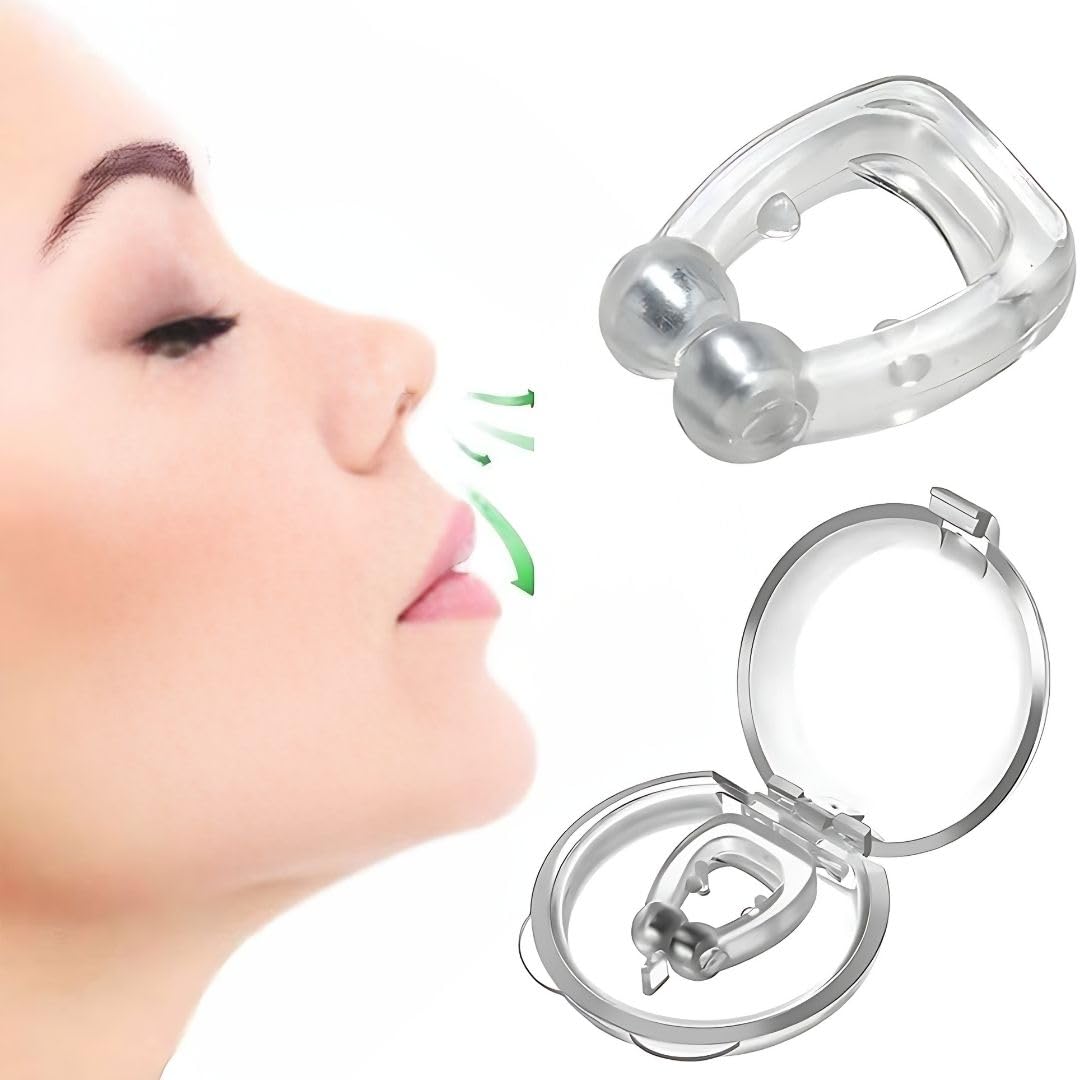
Nose rings, which clip gently around the septum, are one such product. Some are just clips that are placed and aim to slightly widen the nostils mechanically. Some brands will use magnets, which have long been used in traditional medicine with the aim to help maintain airflow through the nostrils. It’s thought that the magnets improve blood flow to nasal tissues and can help reduce inflammation and thus congestion, improving nasal breathing.
However, is limited evidence and no formal studies that this forms a successful part of a sleep apnea approach. and is usually marketed for reducing snoring. Needless to say, nose rings are not a panacea for sleep apnea and at best may relieve some snoring in mild cases. Results will definitely vary and it’s worth tracking to see for yourself what you find if you think it’s worth an experiment!
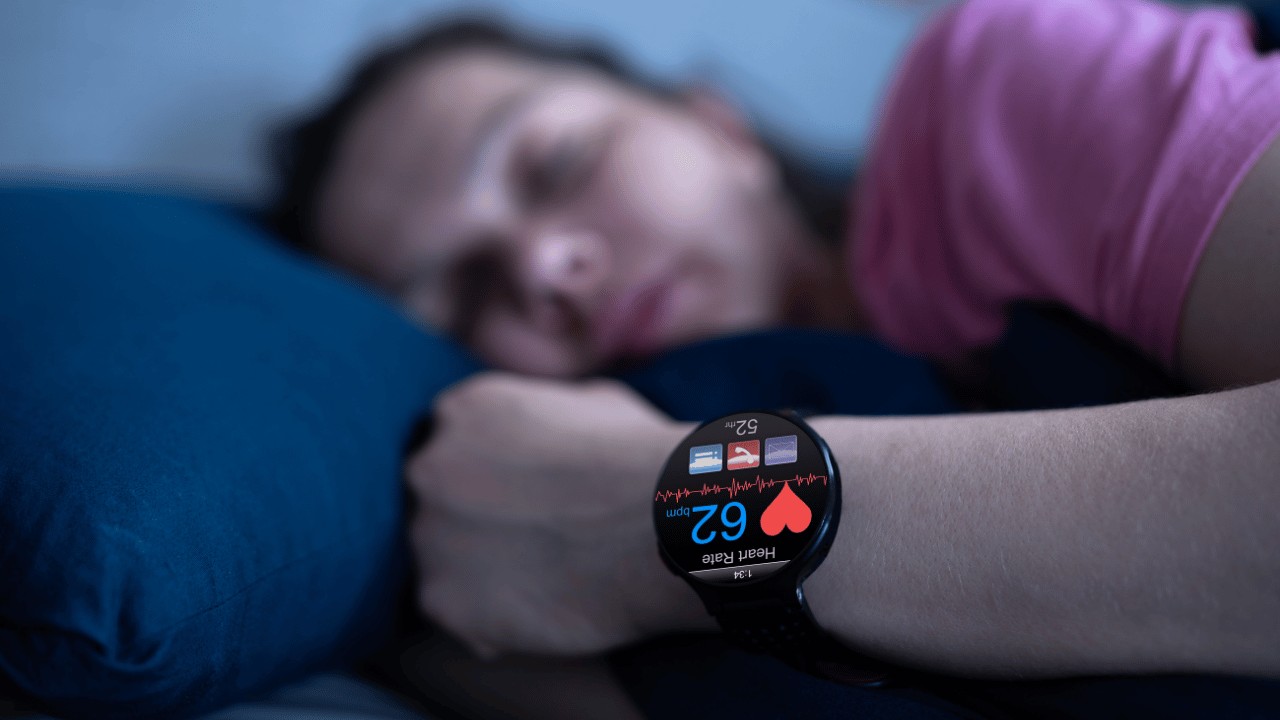
Important technological developments in tracking include smartwatches and fitness trackers. Many compare the Fitbit Charge 6 and the Oura Ring to extract meaningful data about sleep quality and to provide more information about how efforts to boost healthier nighttime breathing are working.
Wearable Sleep Apnea Devices and Their Uses
If you’re looking for the best sleep apnea tracker, you may be interested in a watch or ring that records your sleep, blood oxygen levels, and number of waking instances. This way, you can get a handle on how often your sleep is interrupted and how much deep sleep you’re actually getting per night.
Can a fitness tracker detect sleep apnea? These wearables don’t necessarily confirm whether or not you have sleep apnea, nor are they used as an alternative to a medical diagnosis; instead, they monitor sleep patterns and metrics.
Types of Sleep Trackers and Monitoring Devices
Options currently available include:
- Smartwatches, which often have health apps within their operating systems and monitor basic information like the amount of sleep achieved, that you can potentially share with your physician if you have concerns
- Patches fitted with sensors, which act a lot like a conventional oximetry test, using a laser to record sleep data; most are connected to an app or monitoring device
- Alternative devices, like wrist straps that measure blood oxygen saturation, heart rate, or snoring intensity and transmit data to an app or store it for you to upload to a device or application
The caveat is that devices like the Apple Watch, Oura Ring, Fitbit, and others aren’t considered 100% reliable and instead offer generalized insights into your sleep habits. This is because most wearables aren’t calibrated like a medical testing device and are primarily designed to monitor your movement and activity rather than a sleep tracker specifically engineered for this purpose.
Can Nose Rings and Other Sleep Aids Make a Difference to Sleep Apnea?
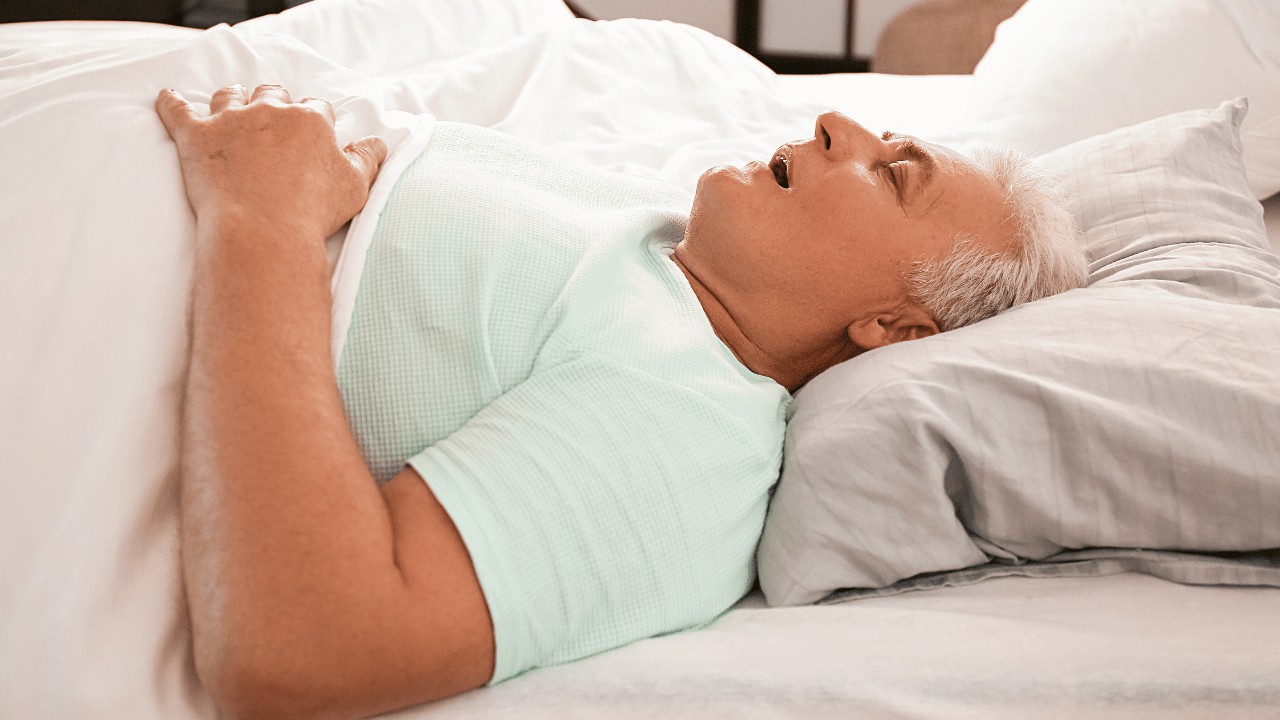
Whether you’re interested in using a fitness tracker or other devices as part of your sleep apnea approach, it’s worth collecting your own data to see what helps and what doesn’t. Conducting some research is important as many devices or products have limited effectiveness or work for some people and not others. Nose rings, mouthguards, anti-snoring strips, white noise machines, and chin straps are normally used for snoring and shouldn’t be sold or advertised as ‘cures’ for sleep apnea. We know that these claims are often untrue and unsupported by verified clinical evidence.
Some sleep apnea sufferers find that sleep aids do, however, help to some extent, although the best guidance is usually to take a more holistic stance and address your sleep habits, patterns, and hygiene to support healthier nighttime breathing. Examples might include going to bed at the same time every night to establish a routine, maintaining a comfortably cool temperature, paying attention to your nutrition and hydration, and avoiding screens or caffeine in the evening.
Expert Insights Into Enhancing Natural Sleep
Investing in gadgets and devices can become exorbitantly expensive without any real improvements, which is why understanding what’s really going on with breathing or lack there of in sleep apnea can be insightful. Sleep Apnea Solution, the latest book from Dylan Petkus, MD is available on Amazon and covers just that as well as how you can take control of your breathing now to support more refreshing sleep!