Perhaps you’ve tried supplements that help with sleep apnea and positional therapy for sleep apnea, but find it’s not enough. Some people struggling with snoring and restlessness are turning to medications for sleep apnea like Ozempic, a drug known best as a treatment for diabetes.
For those with sleep apnea, the major potential benefit lies in Ozempic’s effects on appetite suppression and thus weight loss. A majority (but not all) of those who struggle with sleep apnea also deal with excess weight. New studies are finding that ingredients in Ozempic can promote weight loss, which hopefully leads to fewer breathing interruptions at night, as well.
Better breathing could mean better sleep, more energy, and fewer groggy mornings. While it’s not a magic solution, it can be an option for some to consider incorporating.
How Weight Impacts Sleep Apnea
There are certain health conditions that can increase the risk of developing sleep apnea. For example, studies done by the American Diabetes Association reveal that roughly 60% to 90% of adults with obstructive sleep apnea (OSA) are overweight. Extra weight can narrow a person’s airways and make breathing more difficult, especially at night. This could lead to snoring, tossing and turning, trouble breathing, and other related issues.
The symptoms of sleep apnea could lead to more weight gain, too. Not getting enough sleep can disrupt hormones that control hunger, leading to more cravings and overeating. Just one night of abnormal sleep can also lead to higher-than-average blood sugar and other metabolic markers, independent of food eaten. With worse sleep and worse metabolism, people with OSA often gain weight more easily because their body processes food differently. Not to mention that poor sleep leaves them feeling tired and less likely to be active during the day.
The Effects of Ozempic
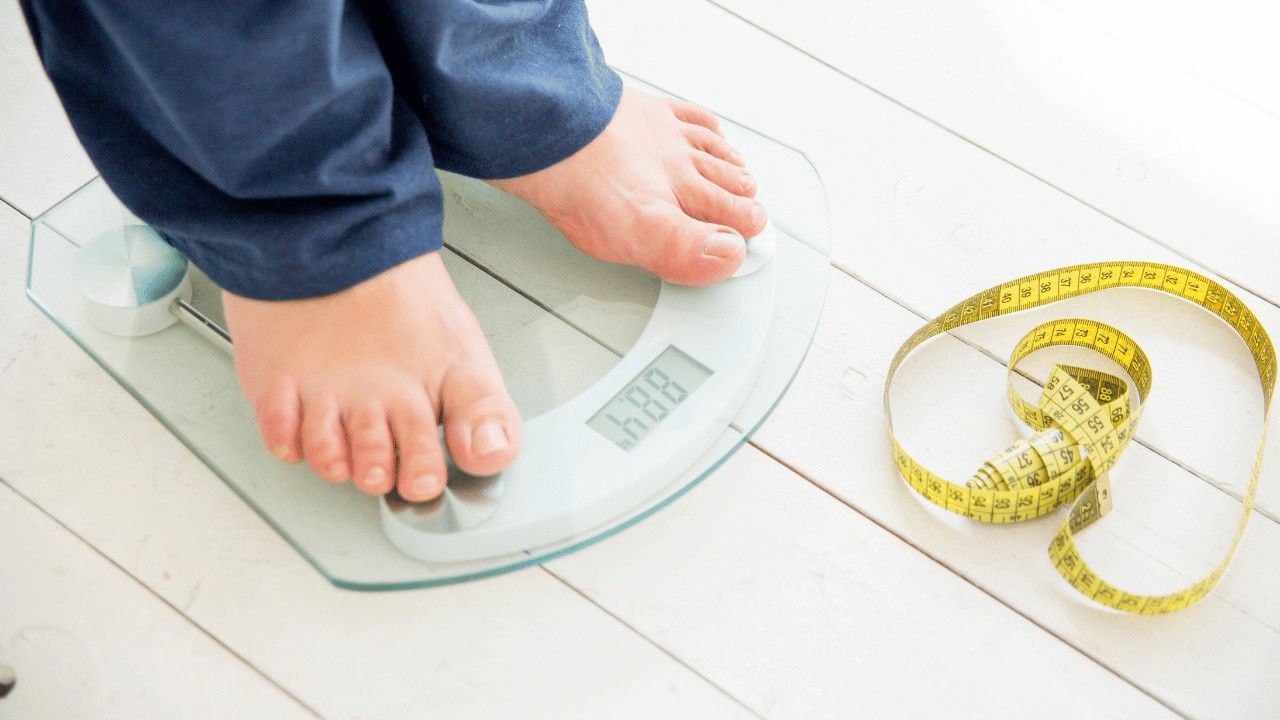
Did you know that losing 10% to 15% of your body weight can significantly improve sleep apnea symptoms? While Ozempic isn’t officially approved for treating OSA, it’s not surprising that it may help ease some symptoms, depending on how much weight you have to lose and how bad your sleep apnea is. Getting rid of excess fat around the neck and abdomen can make breathing easier while sleeping.
Some companies have approached the US Food and Drug Administration for approval of weight loss drugs like Ozempic for treating sleep apnea. However, more research is needed to understand how these medications may improve sleep apnea. That said, early results are looking promising so far, depending on how you look at it. Losing 10% of body weight can be a lot. Perhaps an easier metric to gauge is by losing 10 pounds of body weight; people can see reductions in apnea events of about 2-3 events per hour. So for someone with severe sleep apnea at 60 events per hour, they’d need to lose a lot of weight to return to a normal range of up to 5 events per hour.
If you struggle with sleep apnea symptoms and are intrigued by the early results, it may be worth having a conversation with your doctor to see if weight loss drugs like Ozempic are safe for you and worth adding to your treatment plan.
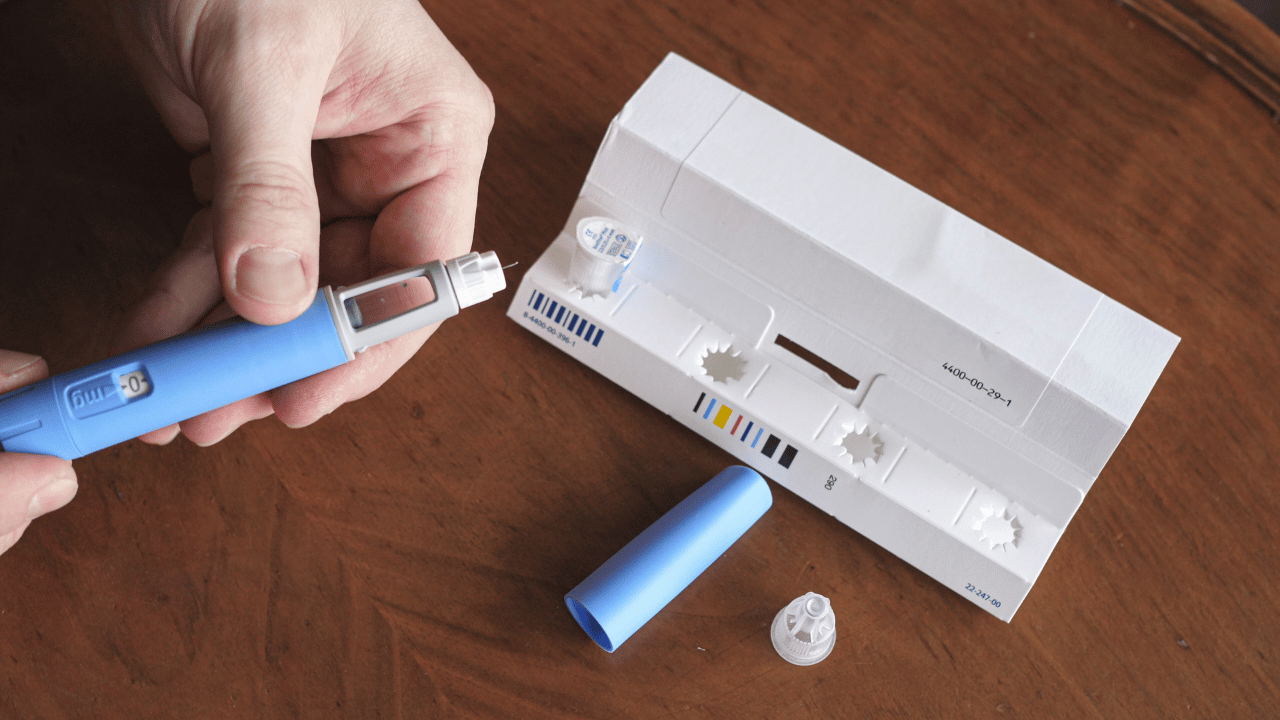
The hope is that as a GLP-1 agonist, Ozempic will suppress hunger, you’ll eat less, and you’ll lose weight. Some people notice that they are already in a calorie deficit and either don’t lose weight, plateau, or even gain weight. So if that’s you, you’re not alone. Eating even less may not lead to weight loss as hoped. And even if eating less helps with weight loss, the hope is that it leads to better quality sleep for better hormone regulation and better metabolism. The truth is that there are many variables at play in sleep and metabolism, so Ozempic is not a panacea but a potential option that those who qualify can try to see how far they get with their licensed medical providers’ supervision!
Addressing Sleep Apnea Symptoms
While studies are showing that drugs like Ozempic may be helpful in promoting weight loss in people with OSA, they’re not a cure for the condition. Sleep apnea is complex and influenced by different factors ranging from genetics to lifestyle. The condition often requires a multifaceted approach to have the best outcomes.
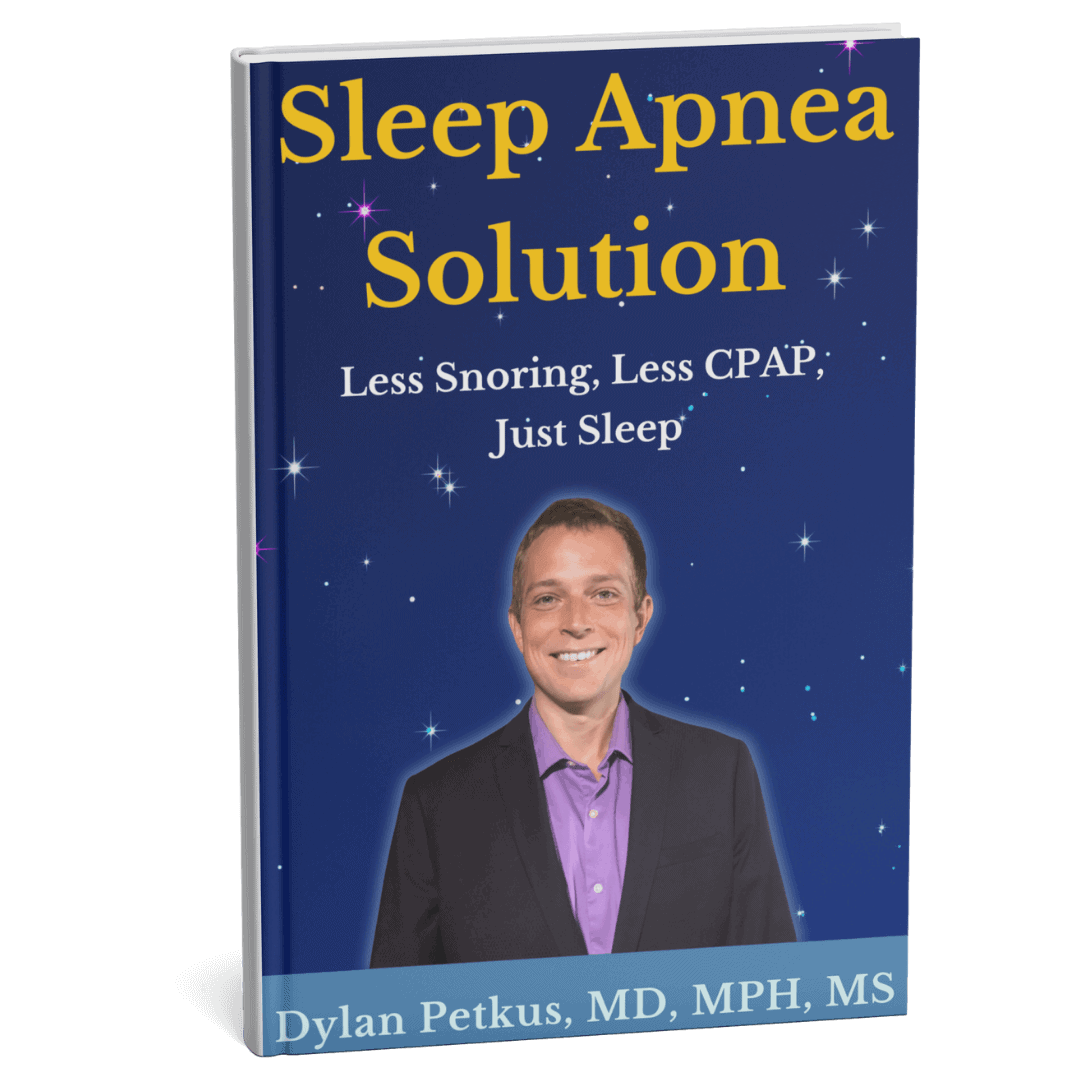
At Optimal Circadian Health, we help people retrain their breathing so that they can breathe and sleep more easily with sleep apnea. The Sleep Apnea Solution book covers where breathing patterns go awry in sleep apnea and resources, including breathing routines, nutrition tips, circadian hacks, and more.
It’s about taking a simple step to enjoying more restful nights and energy-filled days!