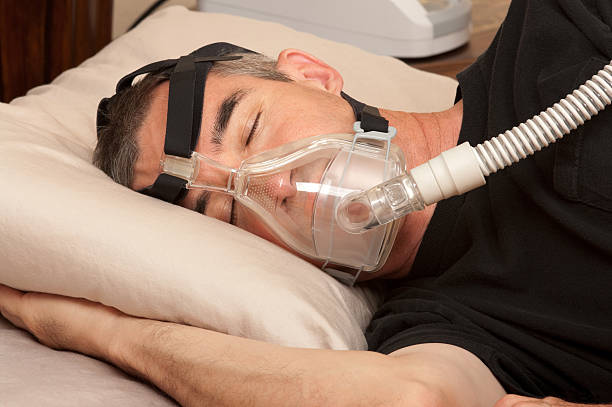
So, you’ve been diagnosed with sleep apnea and have been handed a fancy machine to help you breathe at night. While these machines can be helpful for improving your breathing at night, let’s be real–it’s not fun or ideal to snooze with a machine strapped to your face.
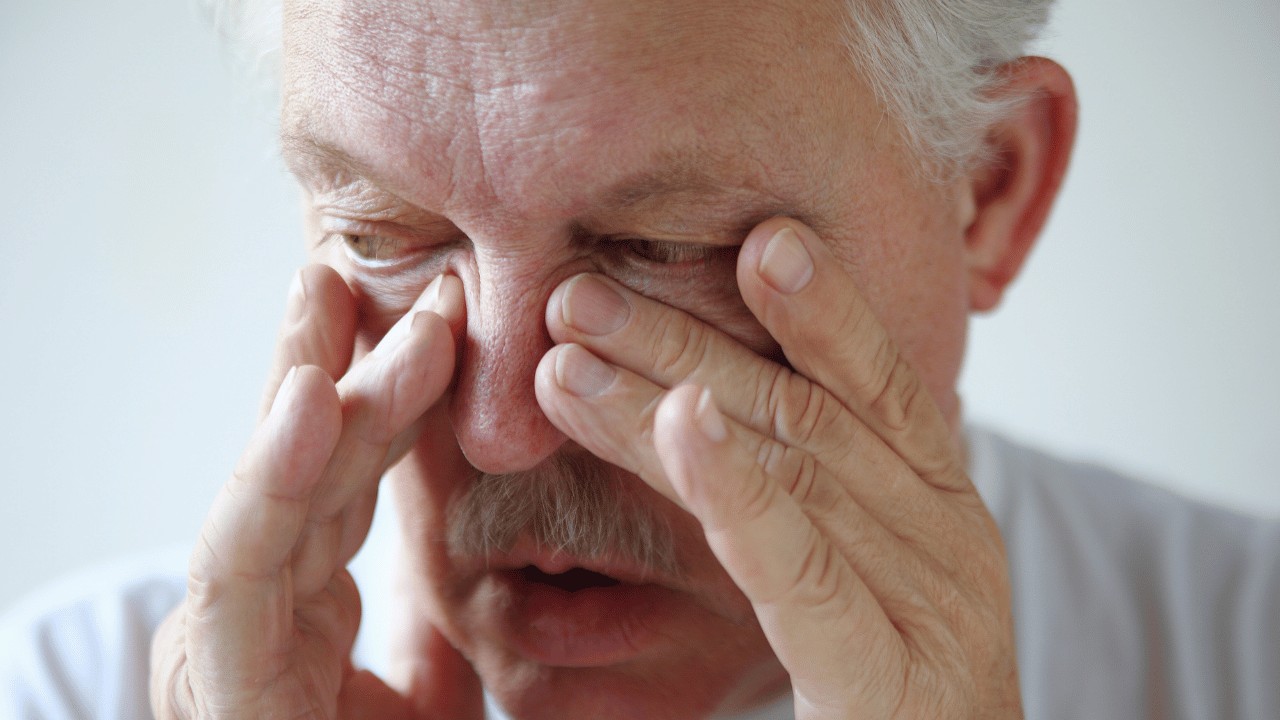
When using a CPAP machine, you can find yourself dealing with side effects such as dryness in your nose and throat, skin irritation, or discomfort from added pressure. Let’s talk about these side effects and how to address them if they show up.
Is There an Alternative Worth Trying?
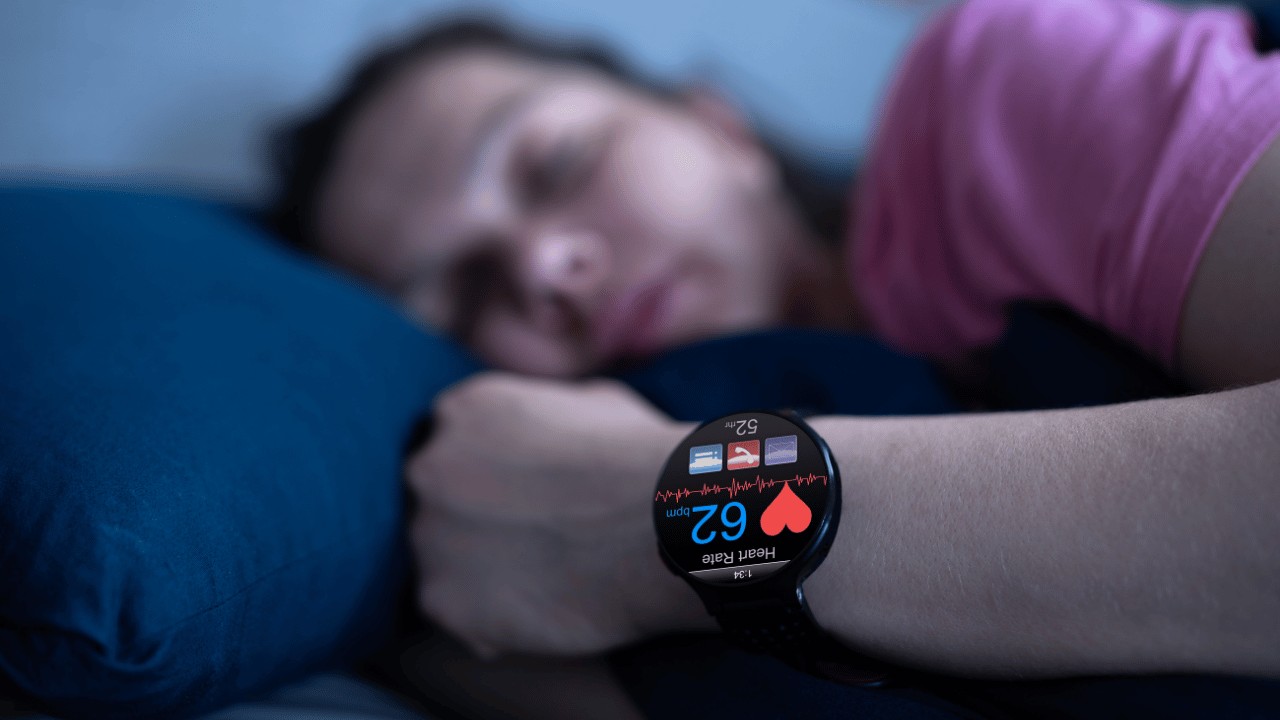
If you’re having trouble with your CPAP machine, you may be wondering if the sleep apnea monitor features of a Fitbit and the Oura Ring can be an effective substitute, or if Apple or Samsung Health can monitor sleep apnea effectively.
Think of these devices and apps like a pre-game, not the main event. They are helpful to pick up on trends while you sleep, but they’re not going to solve the problem. They’re great for tracking your sleep patterns, oxygen levels, and heart rate, but they won’t help you breathe better at night.
These gadgets can bring some big health issues to your attention, like oxygen dips or irregular breathing, but they’re not designed to provide the continuous airflow that a CPAP machine does. If you’re seriously struggling with your sleep apnea machine, it may be worth asking your doctor if there’s another treatment plan worth trying.
Common Side Effects and Struggles
Now, let’s get into the nitty gritty of sleep apnea machines and the side effects and struggles many people deal with. Here are some of the most common ones:
- Sinus congestion
- Dry nose and throat
- Facial pain/irritation
- Dry eyes
- Claustrophobia
- Bloating
- Chest pain
- Impacts on your partner’s sleep
Most of these issues can be dealt with through lifestyle changes. Using a humidifier in your room, making sure your mask fits just right, or adjusting the machine’s pressure settings can remedy a number of the issues above. Make sure you talk with your doctor as well, as they could have recommendations to reduce your pain.
Can You Ditch the CPAP Machine?
Whether or not you find the CPAP helpful or not, it’s important to discuss with your medical provider the most appropriate sleep apnea treatment options for you. Many people don’t tolerate a CPAP, but some do and notice they feel better with it than without it. Whatever your experience, it’s important to work through any challenges with your provider and understand your options.
For those looking to support breathing and sleep naturally through lifestyle changes while working with their medical provider, there are many opportunities. Please discuss with your medical team before starting anything new.
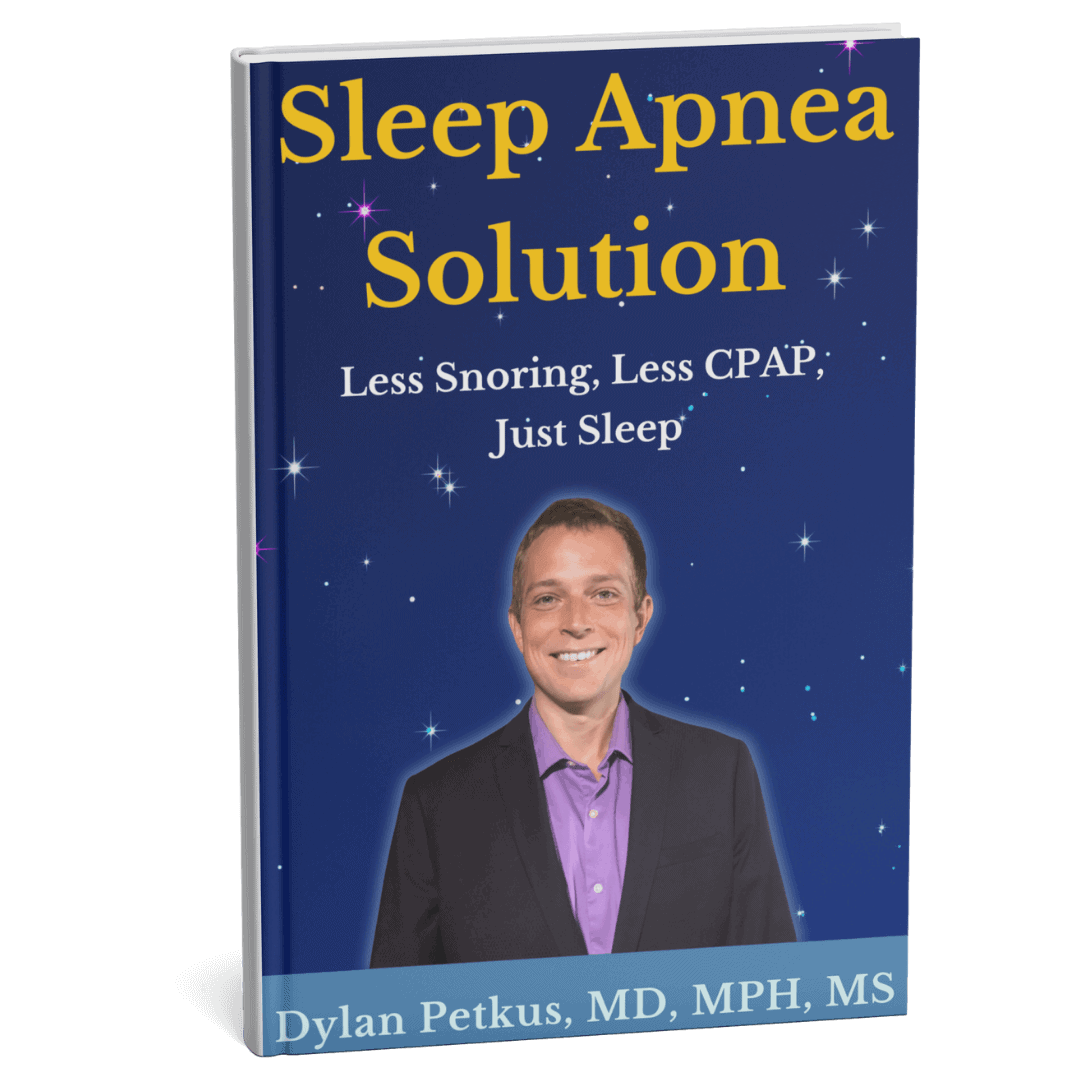
If you’d like to learn about natural methods to support easier breathing and sleep, check out Dylan Petkus, MD’s book, Sleep Apnea Solution, where he shares how he sleeps more quietly and deeply after becoming free from sleep apnea.
We sleep for about a third of our lives, so shouldn’t we be comfortable and at peace while we do it?