There are many types of sleep apnea, including obstructive, central, and complex. Each is a major sleep disruptor because it impacts your breathing rhythms, causing you to snore, wake up, or feel restless.
Luckily, many lifestyle changes can help you support easier breathing and sleep with sleep apnea. From breathing exercises and nutritional changes to different sleep positions, there are a number of sleep apnea solutions you can try.
Sleep Apnea and its Impact on Your Health
Sleep apnea can take a toll on your mental and physical health. If left ignored, experts say it can potentially lead to more serious health conditions, such as:
- Heart problems
- Fatigue
- Metabolic issues (diabetes, weight gain, etc.)
- Mental health problems (anxiety, depression, etc.)
- Cognitive issues (memory, brain fog, etc.)
Can sleep apnea cause high blood pressure? It certainly can play a role as studies find just one bad night of sleep can increase blood pressure the next day.

Why Sleep Apnea Self-Care Can Make a Difference
Is sleep apnea genetic? The answer is not always simple. While some of the problem may be hereditary, roughly 60% of sleep apnea cases can be attributed to lifestyle choices, according to Healthline. Even when there are potential genetic contributors, unless you were born with it, there are usually opportunities to maximize sleep and breathing quality.
Sleep apnea self-care can be a game-changer in mitigating your symptoms and minimizing additional risks and side effects. Here are some healthy lifestyle changes you may consider adopting to help improve your sleep:
- Practice breathing exercises
- Eat a balanced diet
- Practice good sleep hygiene
- Exercise regularly
- Cut down on alcohol or tobacco use
- Find the right sleeping position
Being proactive with your lifestyle choices may be able to help you take control of your sleep apnea condition, making your sleep and overall quality of life better.
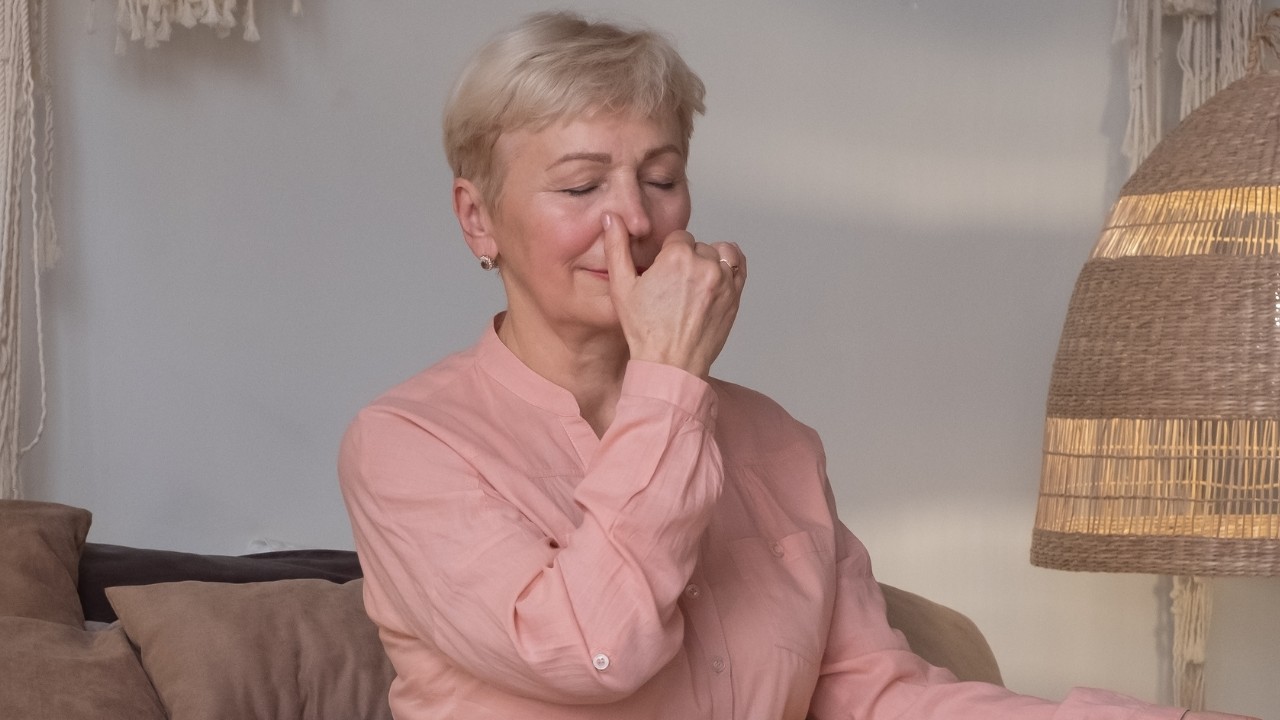
Natural Resources for Sleep Apnea
Natural solutions are not uncommon and can complement medical treatment of sleep apnea. They are generally accessible to anyone and typically include fewer side effects while supporting easier sleep and breathing naturally.
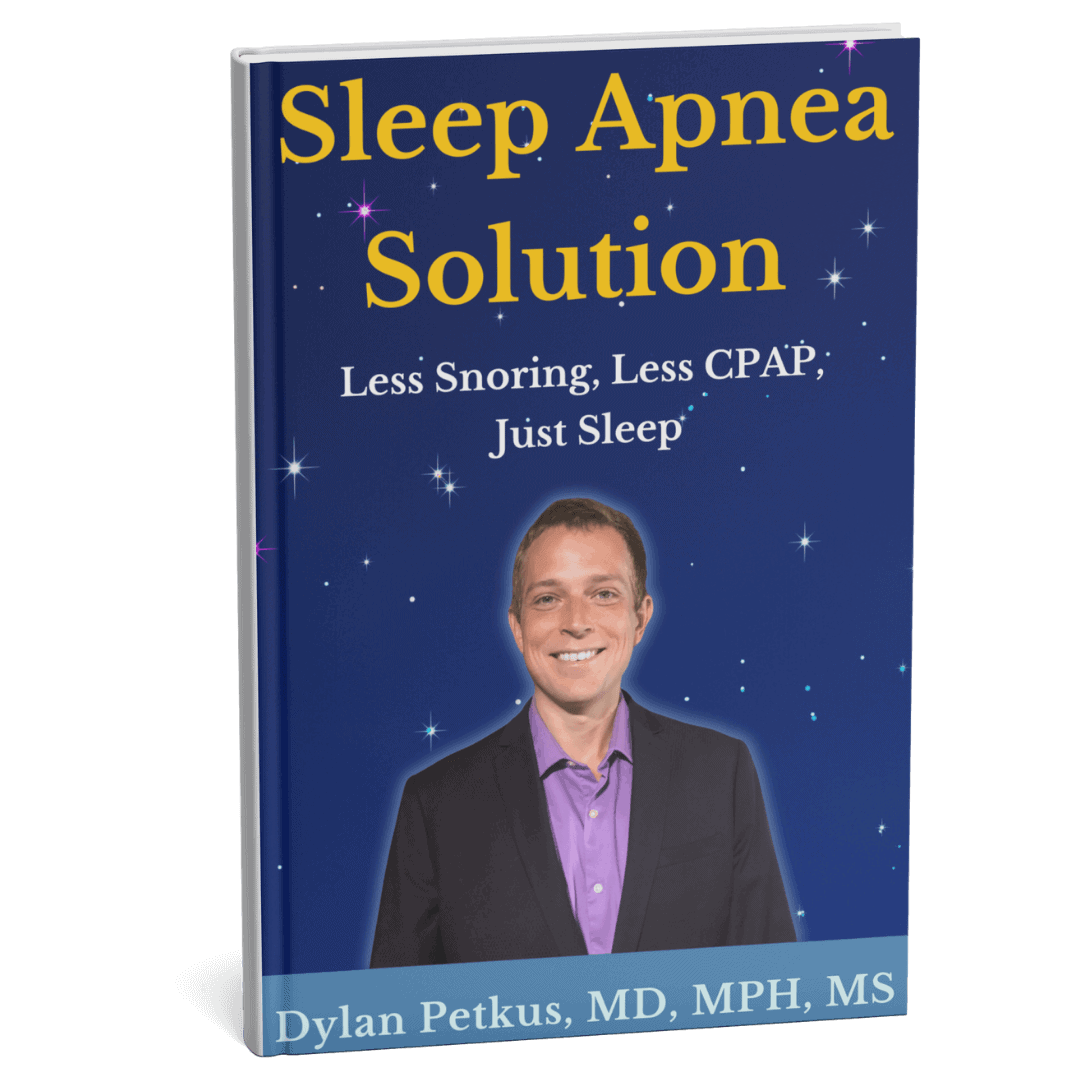
If you’re looking to learn more, Dylan Petkus, MD’s book, Sleep Apnea Solution, shares his insights into what has helped him and others improve nighttime breathing and have more refreshing sleep.