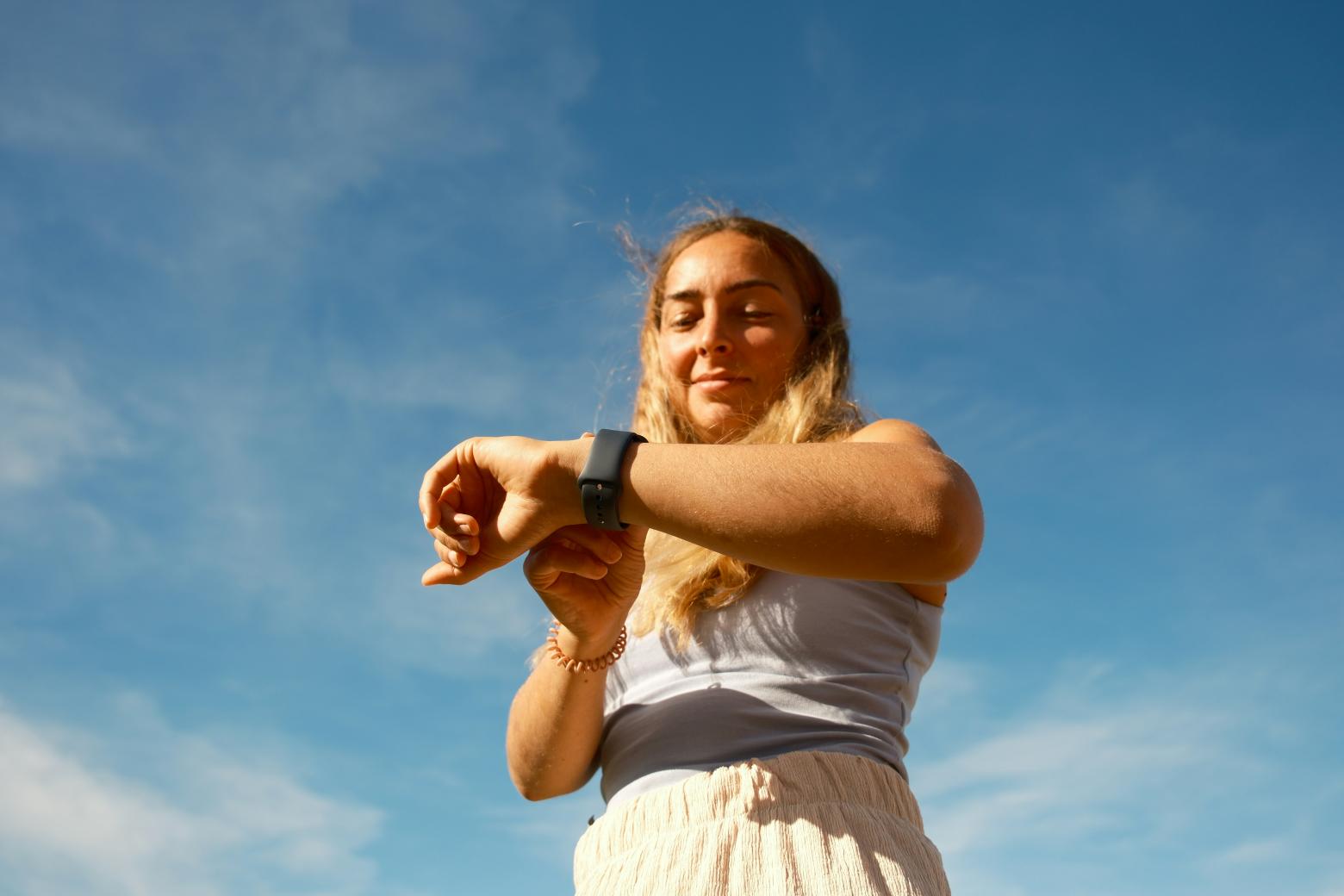
Wearable sleep trackers can monitor and report on data to help quantify the reduced oxygen saturation that sleep apnea sufferers often experience–but what is the difference between an Oura Ring and a Fitbit, and can modern tech really track symptoms reliably? Those who use the Oura Ring for wellness monitoring generally find that the data relevant to their sleep apnea is more accurate, but many of the advanced wearable devices provide baseline sleep quality and quantity statistics.
Let’s look at the data and metrics a tracker provides, as well as some other ways to incorporate sleep tracking into your sleep apnea approach.
How Can Smartwatches and Wearables Help Monitor Sleep Apnea?
A growing number of devices on the market offer some level of sleep monitoring, from the Apple Watch to the Oura Ring and the Fitbit band we’ve mentioned. Samsung Galaxy Watches now come with a Health Monitor app as standard, which detects signals of poor sleep quality or disrupted rest. The later Apple Watch Series has a Breathing Disturbances tracker built into the operating system. That said, none of these capture continuous pulse oximetry data. So it just depends if you’re looking for continuous oxygen saturation data from your night or if you’re wanting more of a sleep score with detailed REM and non-REM data.
You can also try varied methods of addressing snoring or intermittent pauses in your breathing, such as a nose ring for sleep apnea to see how that affects your data.
Symptoms and Data Monitored by Wearable Tech During Sleep
Depending on the device you have or intend to buy, wearables can tell you:
- The time you spend sleeping each night
- How that sleep is split between deep and light sleep and periods awake
- The amount of time it takes for you to sleep once in bed
- Whether you are likely to feel rested and energetic through ‘sleep scoring’
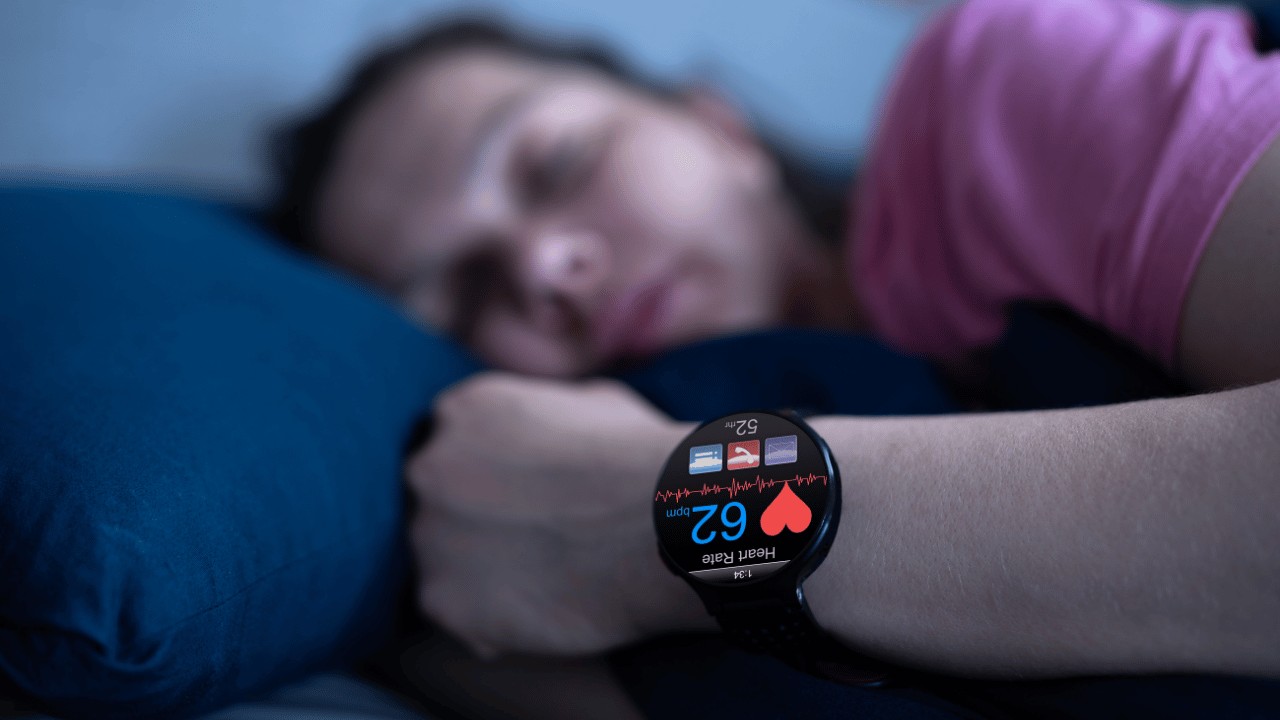
More advanced devices can also capture data on blood oxygen levels, which can tell you if you have experienced sudden dips during sleep due to temporary pauses in your breathing. The relevance and usefulness of this information may vary. However, you might compare sleep scoring with and without a nose ring or mouth guard or see how changing your sleeping position affects your rest.
Other Ways of Tracking Sleep Apnea Breathing Disturbances
Physicians and sleep specialists rarely rely on non-clinical tech to monitor sleep apnea symptoms. Still, they might recommend sleep tracking to enable them to review how your sleep patterns and oxygen levels are stabilizing.
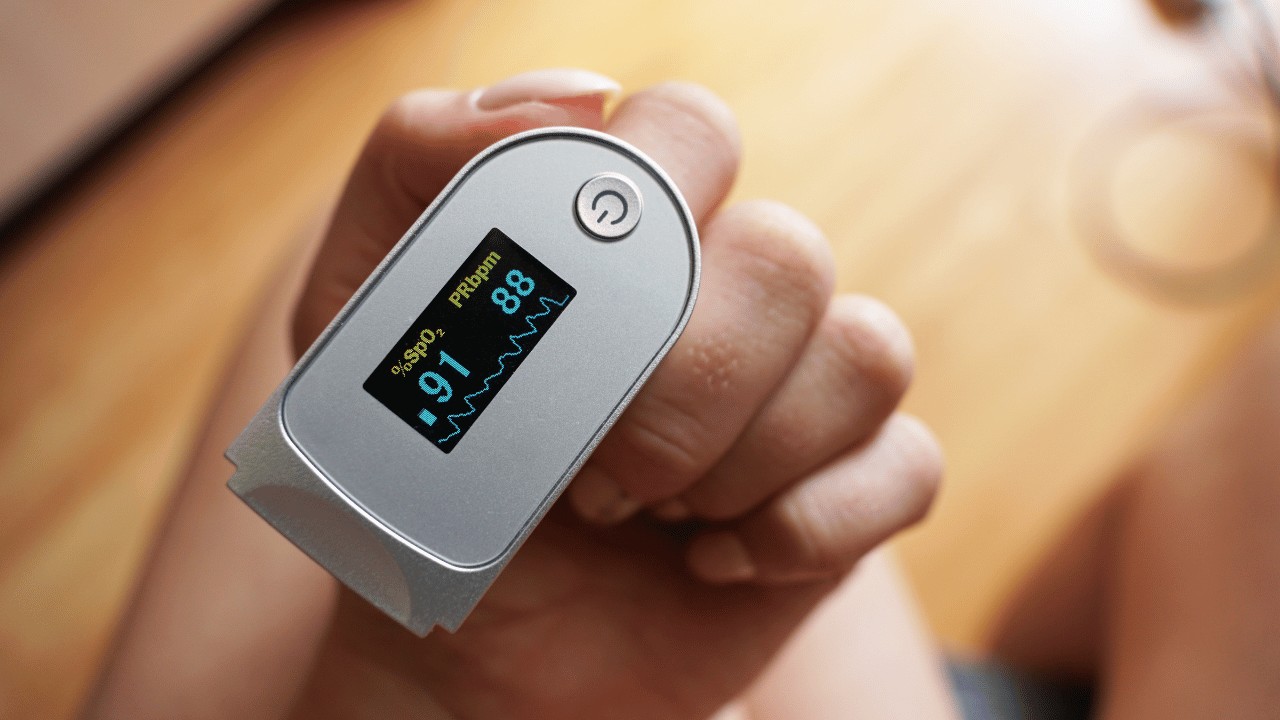
- Home sleep tests, such as overnight pulse oximetry tests, use a clip with a small light sensor attached to your finger. At-home sleep analytics can measure blood oxygen levels, breathing patterns, airflow, and heart rate.
- Nocturnal polysomnography testing is more intensive and uses equipment that monitors a broader range of health markers, such as movements in your arms and legs, lung and brain function, and heart rates, alongside blood oxygen levels.
The difficulty may be that some smartwatches, wearable tech, and portable devices do not have a clinical level of accuracy or cannot be fully calibrated, which means the results may not be conclusive or may be subject to a margin of error. That said, you can always share that data with your medical provider and have a discussion about what it may mean.
Which Is the Best Sleep Apnea Tracker for Everyday Use?
Ultimately, the right tracker or wearable may depend on your budget, general lifestyle, what you’re looking to track, and the value you extract from the data provided. Acting on your sleep monitoring reports and understanding which changes have positively impacted your sleep isn’t always easy, which could mean an expensive smartwatch has little effect.
If you’re looking to take a proactive approach to sleep apnea and learn about natural methods that support breathing and complement your doctors’ plan, we recommend using some of the many resources available from Optimal Circadian Health, including the comprehensive Sleep Apnea Solution book by Dylan Petkus, MD. This provides you with the insights into how and why sleep apnea occurs and give you easy breathing routines to put in place so you can see how your sleep data tracks with time!