Obstructive sleep apnea (OSA) can cause hypoxemia or an abnormally low concentration of oxygen in the blood. In these cases, health professionals might recommend methods to help increase your blood oxygen levels, including using a sleep apnea oxygen concentrator at night. This is a medical device that can provide supplemental oxygen to your system.
The Connection Between Sleep Apnea and Oxygen
Sleep apnea is characterized by breathing dysfunctions that result in poor air intake and sleep disruption. It can also complicate other conditions, such as hypertension and obstructive sleep apnea pulse pressure. Rapid or shallow breathing or long gaps between breaths may reduce the amount of oxygen in your blood, and you may want to consider the Oura Ring or Fitbit for sleep tracking.
Normally, blood oxygen levels should be between 95% and 100%. Those with sleep apnea may see these levels fall below 92%, which requires medical intervention. In more extreme cases, tests may record blood oxygen levels at 88% or less for more than five minutes.
These levels point to hypoxemia (abnormally low blood oxygen concentration), which can negatively affect other body functions. You can check your blood oxygen levels using a pulse ox for sleep apnea, but it’s best to consult your doctor for a proper diagnosis. That way they can determine what treatment might make the most sense for you. Then, at some point it can be worth asking them if it’s be helpful for you to have continuous pulse oximetry data for them to review and monitor your blood oxygen concentration at night.
Oxygen Therapy for Sleep Apnea
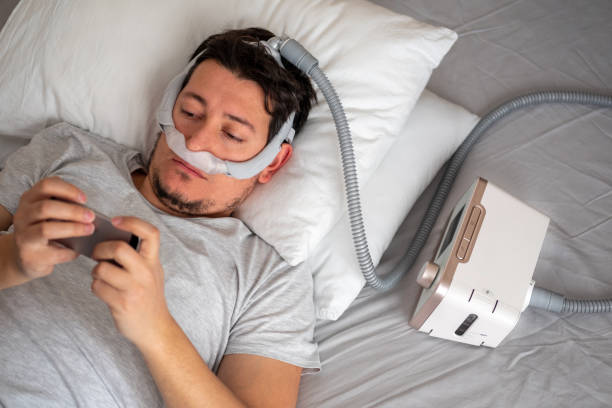
If you have OSA, you may benefit from oxygen therapy, but this approach is highly dependent on how your body responds to supplemental oxygen. One review of oxygen therapy showed that it significantly improves oxygen saturation in OSA patients. However, these results also recorded a possible increase in the duration of apnea-hypopnea events (episodes of difficult breathing during sleep).
Another review found that supplement oxygen improved the apnea-hypopnea index and blood oxygen saturation in twenty-seven cases. That said, oxygen therapy isn’t recommended as a sole treatment for OSA, although it could be helpful as an approach.
How Does an Oxygen Concentrator Work?
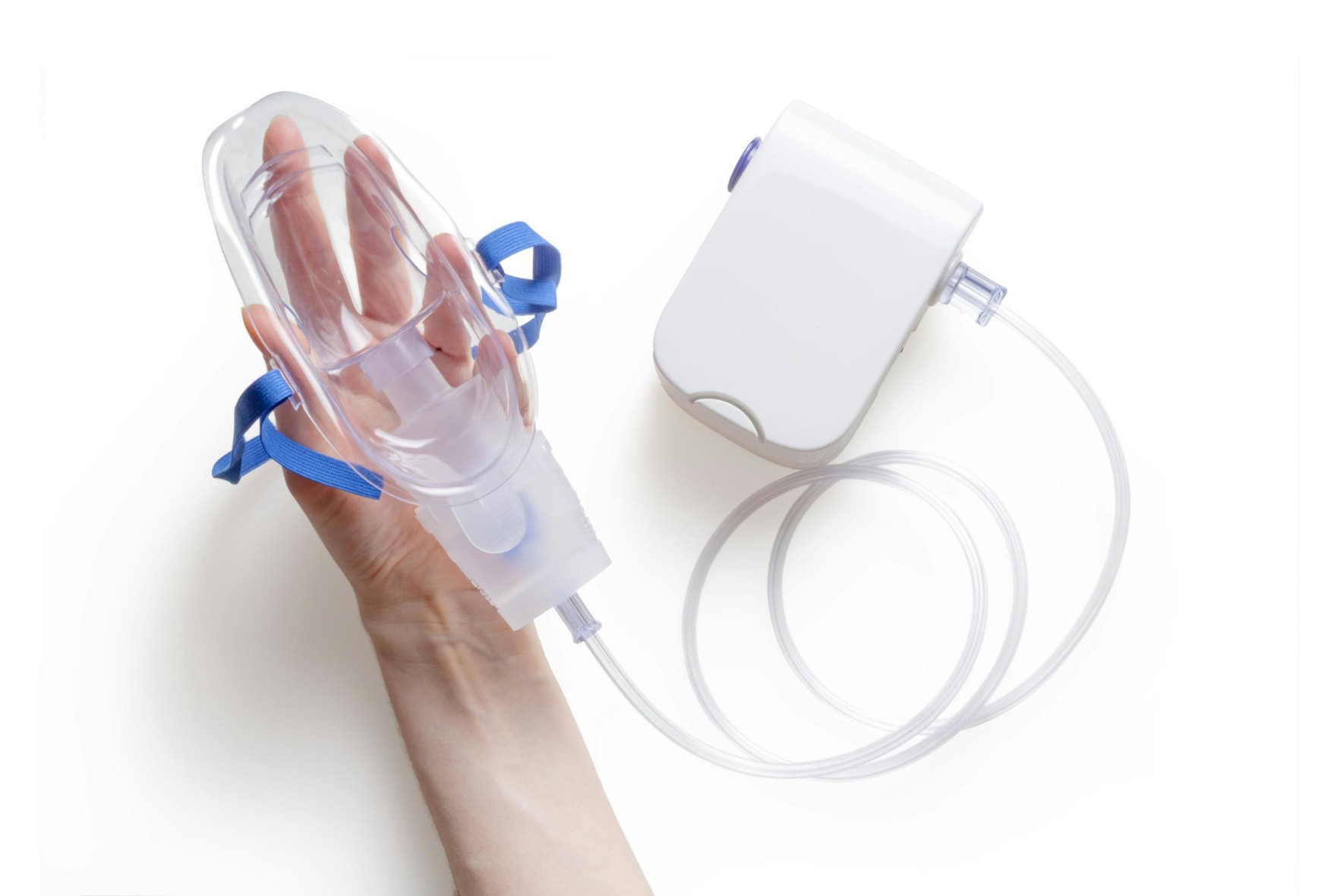
An oxygen concentrator draws the air around you through a filter, absorbing the nitrogen to increase the percentage of oxygen. The device then delivers the filtered oxygen through a face mask or a nasal tube.
Types of Oxygen Concentrators
There are two main types of oxygen concentrators: a home device and a portable device.
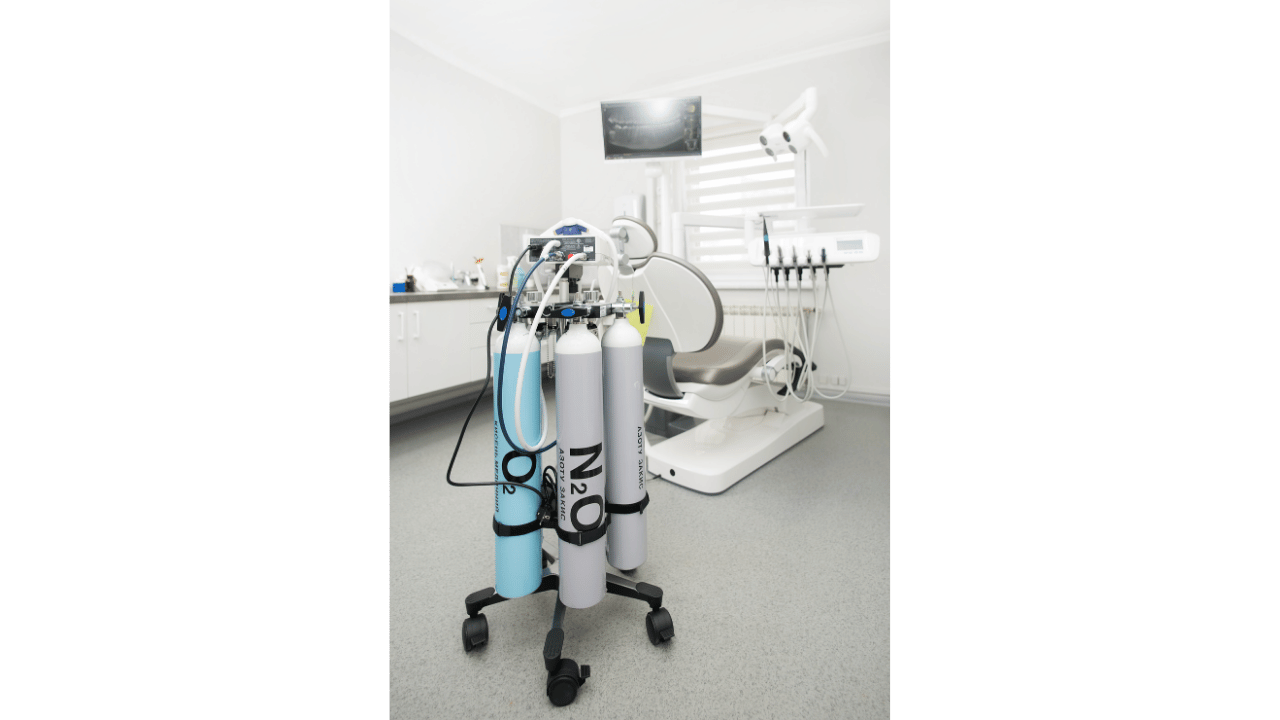
Home Oxygen Concentrator
A home oxygen concentrator is ideal if you need constant oxygen at home or when you’re sleeping. It is a large device, typically weighing more than twenty pounds, which you can lift or roll into place. It runs on electricity, so you can use it for prolonged periods as long as it’s plugged in. If your power goes out, the machine usually has a backup battery.
The great thing about a home oxygen concentrator is that you can tweak it to improve your experience. Some units allow you to add a humidifier so that the oxygen you breathe is more moist and you won’t have to deal with a dry nose. You can also extend the oxygen tube to have more flexibility in moving around. That said, dry mucous membranes is still common and something that can be quite uncomfortable.
Portable Oxygen Concentrator
A portable or travel oxygen concentrator is designed for on-the-go use. It’s a smaller and lighter version of the at-home device and can fit in a pack that you carry when you’re out of the house. It runs on a battery and usually delivers oxygen by pulse dose (small bursts each time you inhale).
If you’re using a portable oxygen concentrator, remember to carry an extra battery and clean your device regularly.
Other Easy Sleep Apnea Opportunities
There are many things that can be done to support sleep apnea, and not all involve depending on machinery. Sure, your licensed medical provider can prescribe those treatments. Beyond that, complementary natural methods are something many find helpful in their journey to improve their breathing patterns and have more restorative sleep. The Sleep Apnea Solution book covers important insights around sleep apnea, including methods to promote calmer breathing at night.