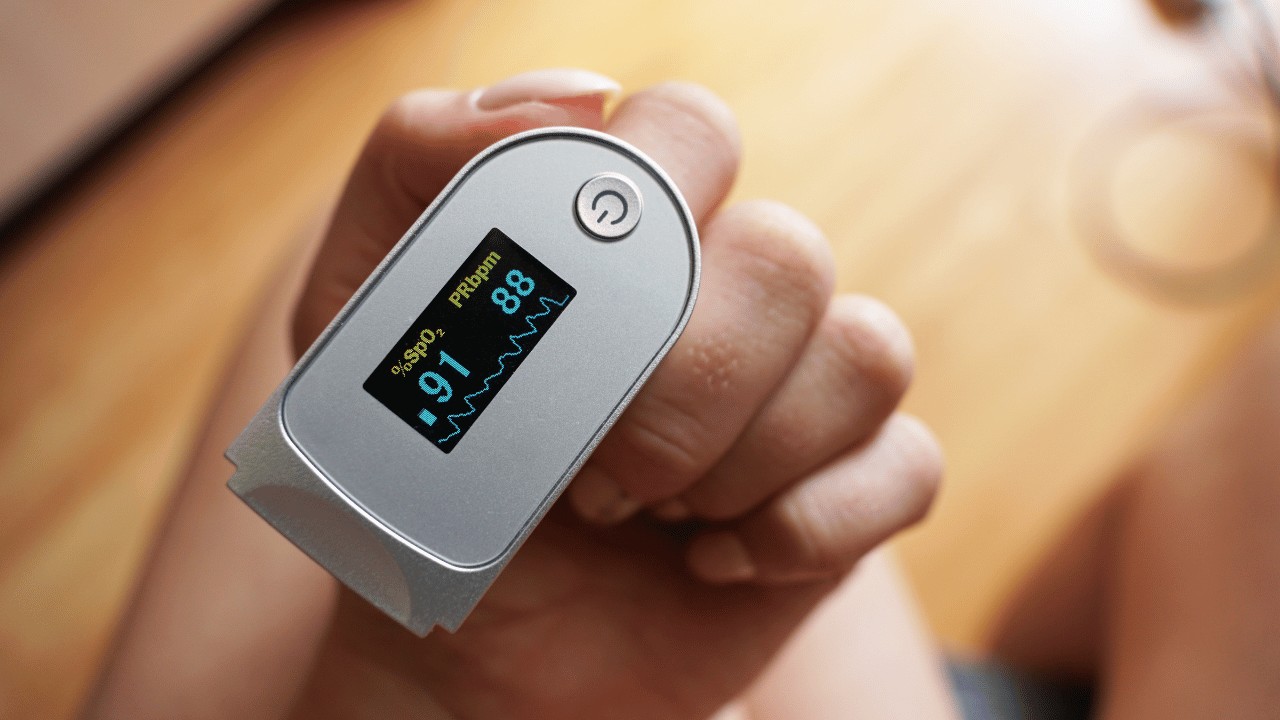
Understanding how you sleep can help determine if you have sleep apnea. One of the devices commonly used to check for sleep apnea is a pulse oximeter, or ‘pulse ox’ for short. This device measures the amount of oxygen in your blood. If your blood oxygen levels are low while sleeping, you might have sleep apnea.
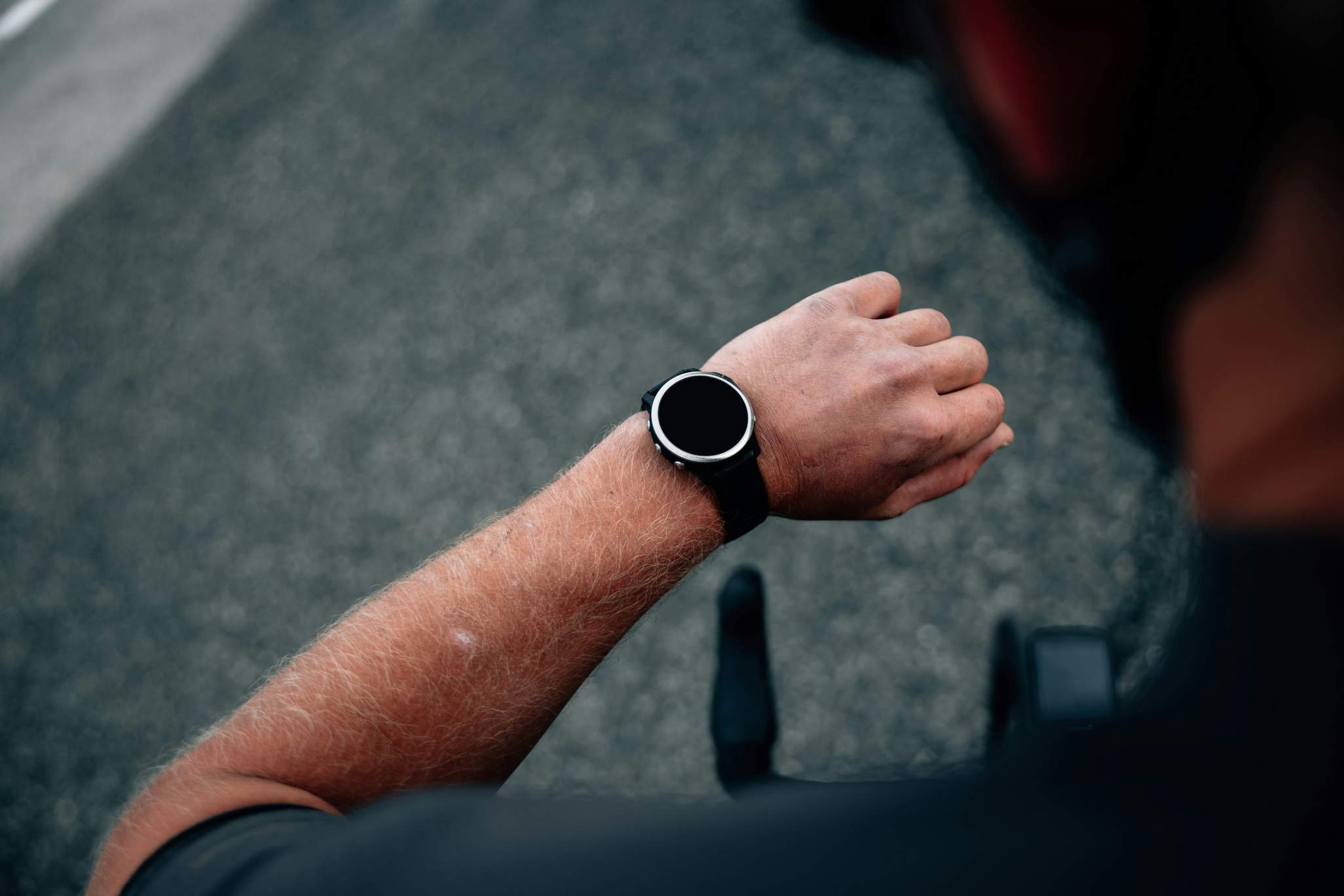
While the polysomnography (PSG) sleep study is the gold standard for diagnosis, you can also use an at-home sleep study test kit for apnea as an initial screening tool or the Oura Ring or Fitbit for some helpful preliminary sleep data so that you can alert your doctor to the possibility for further evaluation.
Sleep Apnea and Low Blood Oxygen
It’s normal for your blood oxygen level to drop slightly when you sleep. This is because as you move through the different stages of slumber, you experience periods of slow or shallow breathing and even pauses in breath. That said, your blood oxygen level should ideally stay between 95% and 100% even when you’re asleep.
Sleep apnea may cause prolonged or repeated gaps in breathing during sleep, which may decrease your blood oxygen level. If it falls below 92% while asleep, it becomes a cause for concern and generally requires medical intervention. Alarmingly, this could adversely affect your tissues and organs, especially if your blood oxygen level falls below 88% and becomes a condition referred to as sleep-related hypoxemia.
How Does a Pulse Ox Work for Sleep Apnea?
One of the ways sleep apnea is determined in patients is with overnight pulse oximetry. This involves wearing a clamp-like device, called an ‘oximeter,’ on the tip of your index finger. It’s not painful to wear and it can be easily removed. An oximeter measures and monitors your oxygen saturation.
To measure overnight oxygen levels, the oximeter is connected via a cable to a small recording device. This generates a graph that can be analyzed by your doctor or sleep specialist. If they see low blood oxygen levels caused by sleep apnea, they may prescribe a sleep apnea oxygen concentrator. That said, most commonly, if treatment is required, depending on how severe things are, a CPAP machine is typically prescribed.
Why Use a Pulse Ox to Detect Sleep Apnea
A pulse ox is just one of several tests that can indicate if you have sleep apnea. Luckily, pulse oximetry technology can be convenient and inexpensive but it depends on what you’re looking for.
You can buy overnight pulse oximetry devices online or from your local pharmacy at an affordable price. However, a regular pulse ox only provides a limited amount of information, which might not be enough to accurately diagnose sleep apnea because it can’t detect all the elements involved in the disorder. Beyond that, a continuous pulse ox provides more information.
Continuous pulse oximetry data allows you to detect drops in oxygen saturation throughout the night and not just at certain snapshots in time. Contiunuous data is important because there are specific metrics necessary for your medical provider to diagnose sleep apnea. To qualify as an event, you need not just a drop in oxygen saturation, an event needs to be for at least 10 seconds and at least a 3-4% (depending on the medical organization) drop in oxygen saturation. And then, knowing how many events mean what is another level and then what to do about it. So it’s not as simple as yes or no, which is why it’s important to share your data with your provider.
It’s also important to note that comprehensive sleep studies, such as a PSG, include pulse oximetry tests. So, if and when you have a sleep study done, that data cane be used as a reference point. That way you can collect pulse oximetry data and notifying your doctor of any trends or patterns that you see with time as well as compare your ongoing data to your original study. What’s great is that pulse oximetry can be used ongoing and not just as a standalone assessment. Even though it can easily be done without medical supervision, it’s important to have your medical provider help you interpret the data and know what other data might be important to collect and even what treatment makes sense with the data you’ve collected.
Enhance Natural Sleep With Sleep Apnea Solution
Ensuring proper breathing during sleep is an important approach to addressing sleep apnea. The Sleep Apnea Solution book by Dylan Petkus, MD includes his top breathing exercises that support better breathing patterns at night. It also offers tips on how to wake up more refreshed.