Obstructive sleep apnea (OSA) and heart problems such as hypertension (also known as ‘high blood pressure’) are commonly associated with each other. It’s not unusual for a person to experience both health issues at the same time.
Numerous studies identified OSA as a contributor to the development of hypertension. As such, OSA patients should diligently manage their hypertension as part of their approach to managing sleep apnea.
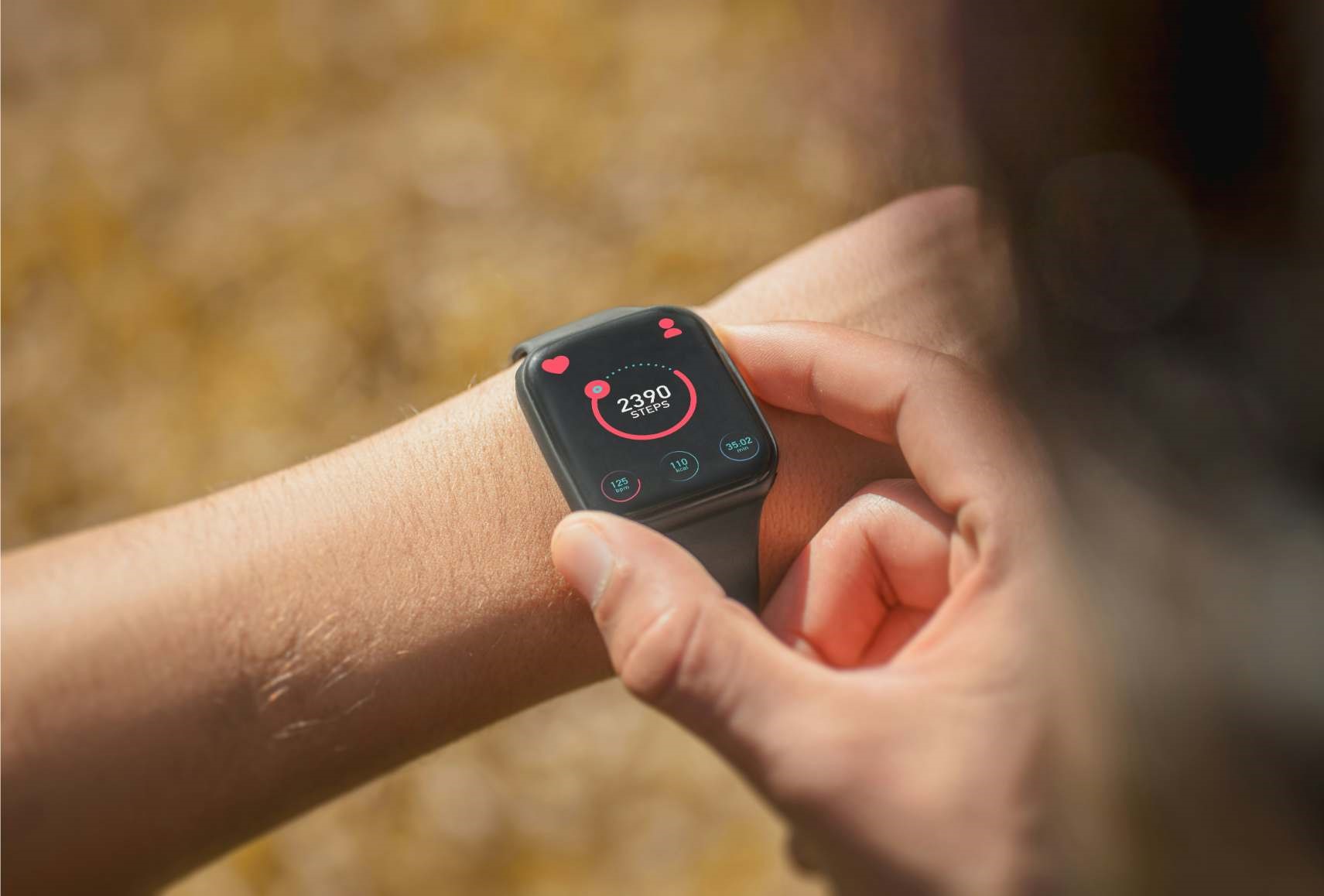
Many patients with OSA use daily trackers like an Oura Ring or Fitbit for sleep to check important vitals such as heart rate as well as sleep patterns as part of their daily health routines.
How Obstructive Sleep Apnea Affects the Heart
After your health practitioner walks you through how to read sleep apnea test results and concludes that you have OSA, it’s important to pay close attention to your symptoms and the possible complications. Sleep is an important lifestyle factor that can impact your body (particularly your heart) in many ways.
For example, OSA can lead to a variety of heart conditions, including atrial fibrillation (irregular heartbeat), coronary artery disease (hardened arteries), and bradycardia (slow heart rate). One of the most common cardiovascular issues in OSA patients is hypertension. Numerous studies suggest a sleep disorder like OSA is an independent risk factor for hypertension.
According to the American Thoracic Society, about 30% of hypertensive patients suffer from OSA. There is also a 50% chance that you have hypertension if you have OSA. One study showed that OSA is associated with an increased future risk of hypertension independent of age, sex, body mass index, and other demographics.
It is believed that the link between OSA and hypertension is due to the disruptive breathing patterns typical of sleep apnea causing stress to the heart. When you take prolonged gaps between breaths, you decrease the level of oxygen in your blood. This signals your heart to beat faster, elevating your blood pressure. Some patients are encouraged to use devices such as a sleep apnea oxygen concentrator to better control blood oxygen concentration and help ease hypertension. However, most people require additional measures to control blood pressure.

Managing Hypertension in OSA Patients
The connection between OSA and hypertension highlights the importance of managing sleep apnea symptoms to decrease their potential adverse effect on the heart. There are several methods to treat OSA, with continuous positive airway pressure (CPAP) generally being the first-line approach.
That said, dependence on CPAP devices is not an option for many OSA patients as the majority don’t tolerate it. Additionally, CPAPs only deliver a modest reduction in blood pressure. As such, many health practitioners rely on pharmacological therapy aka medications to control blood pressure, but data is limited on the efficacy of these drugs in patients aiming to control hypertension as a complication of OSA.
Fortunately, there are natural ways to complement what your licensed medical provider is doing to help control the issues that come along with sleep apnea.
Overcoming Sleep Apnea
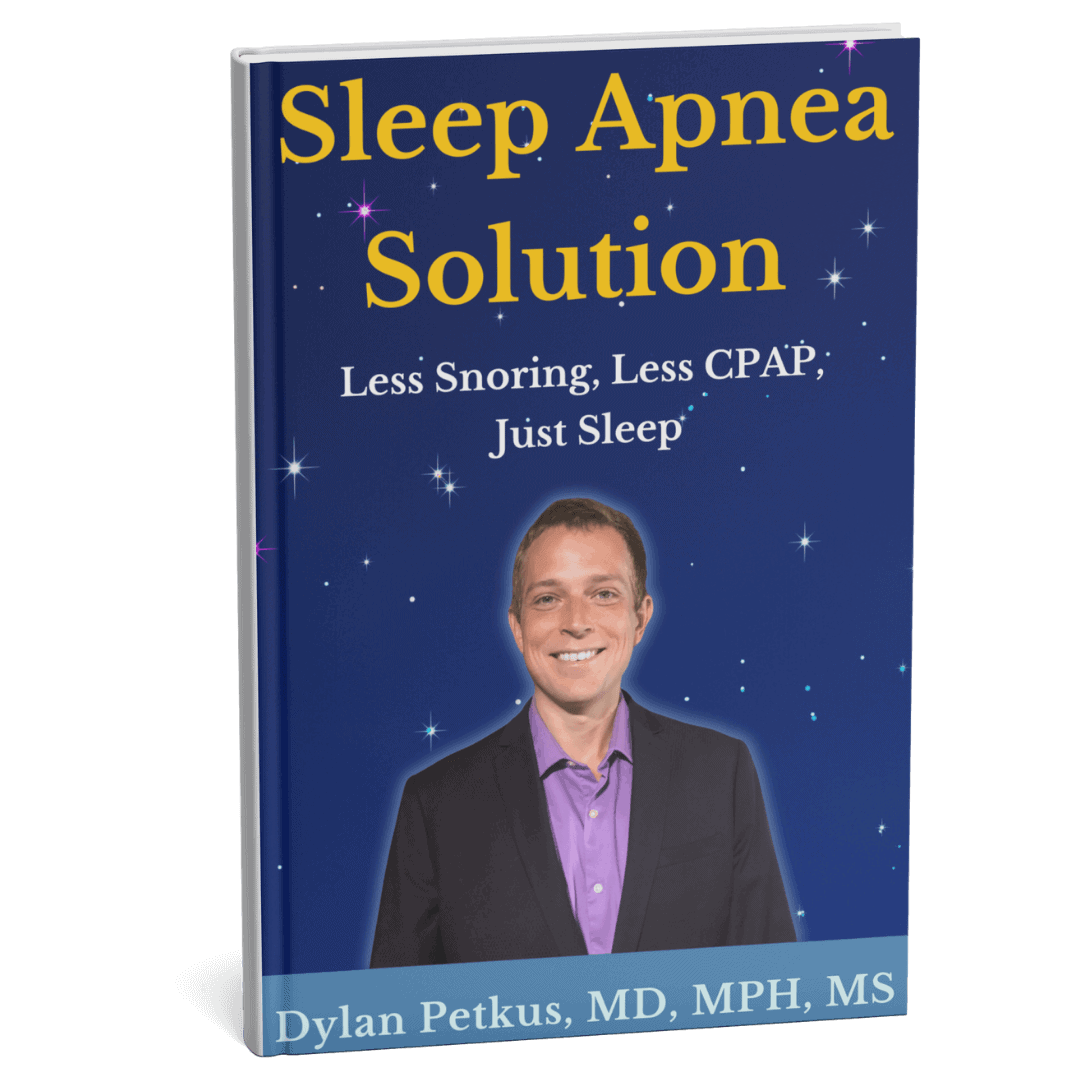
Sleep apnea can significantly impact your life because it affects how much energy and brain power you have every day. If you’re looking to learn natural methods to improve breathing patterns and set up sleep for success, you can find Dylan Petkus, MD’s book Sleep Apnea Solution on Amazon. It includes his top breathing routines and natural methods for sleeping deeper and quieter at night!