The results of a sleep apnea test don’t just tell you if you have the medical condition–it gives you a peek into how the disorder affects your body and provides insights into how to approach your symptoms.
Sleep apnea tests inform you about your apnea-hypopnea index (AHI), oxygen saturation, heart rate, and more. Results typically provide references on how to interpret your results and check whether you fall within a normal or abnormal range. That said, a formal diagnosis from a professional is highly recommended.
Diagnosing Sleep Apnea
Obstructive sleep apnea (OSA) is an underreported condition, despite being common in adults. The medical disorder is undiagnosed in an estimated 85% of patients, leaving many unprepared and misinformed about how to approach their symptoms.
This is alarming, considering that OSA can cause other serious illnesses, such as heart-related issues. For example, obstructive sleep apnea affects pulse pressure and plays a key role in the development of hypertension in patients. If you’re experiencing any signs of sleep apnea (e.g., heavy snoring, disrupted sleep, and daytime fatigue), it’s a good idea to get tested.
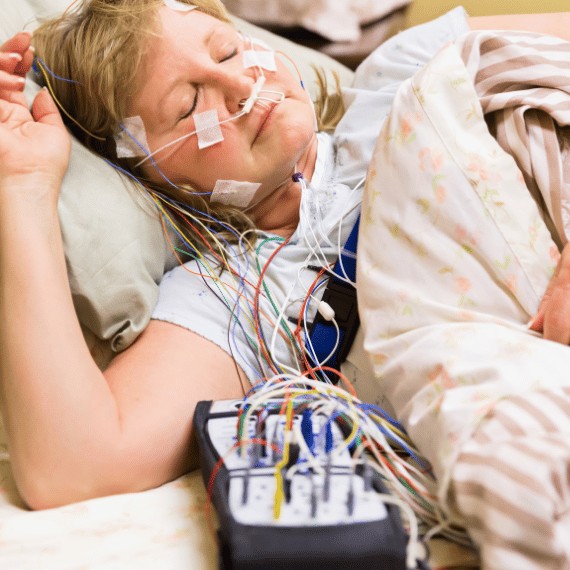
Generally, OSA is diagnosed by sleep technicians using a polysomnograph (PSG), the gold standard of sleep studies. However, the rise of home sleep apnea tests (HSATs) has made testing and sleep-tracking comparisons more accessible and easier to do.
Taking a Sleep Apnea Test
There are four types of sleep apnea tests that you can take:
- A PSG done by a sleep specialist at a clinic
- A comprehensive exam similar to a PSG that you can take at home
- A portable HSAT device that measures up to seven different variables
- An HST that records up to three variables
Before you can take a sleep apnea test, you need to get a prescription from your doctor.
How long does it take to get sleep apnea test results? You can receive HSAT results in a few days, but PSG results often take two to three weeks to generate. Your healthcare provider should get in touch with you once the information is in.
Reading Sleep Apnea Test Results
Sleep apnea test results record several variables. Your doctor will go over them with you and how to interpret the results, but we get that there are a lot of numbers, acronyms, and new ideas. So, we’ll review them here as well to help refresh your memory!
Here are the most common readings and what they’re looking at:
AHI
AHI is the number of apneas or hypopneas events recorded per hour of sleep. It’s meant to differentiate how severe your breathing disturbances are. The readings could be:
- None/minimal: Less than five per hour
- Mild: Greater than or equal to five, but less than fifteen, per hour
- Moderate: Greater than or equal to fifteen, but less than thirty per hour
- Severe: Greater than or equal to thirty per hour
Now, the kicker is that different organizations in the medical world use different cutoff points for what qualifies as an “event.” To keep it simple, events need to last at least 10 seconds and have a drop in oxygen saturation of at least 3-4% to qualify as an event.
Oxygen Desaturation
Sleep apnea patients often experience low blood oxygen levels because they have gaps in breathing during sleep. Normally, blood saturation should be at 96% to 97%. Levels below 92% are mildly low, the 80% to 89% range is moderately low, and below 80% is considered severe.
Heart Rate
When you temporarily stop breathing in your sleep, your body goes into fight-or-flight mode and stimulates the sympathetic nervous system to get you to start breathing again. This results in a spike in heart rate. A normal pulse is sixty to one hundred beats per minute. Anything above this number during sleep is concerning. However, your doctor will take your baseline and any changes from that into account when determining how to interpret the data and what it actually means.

Sleep Time and Quality
Sleep apnea tests measure how long you sleep (conclusions can be drawn from just four hours) and how much of your sleep time was in REM (rapid eye movement) cycles versus non-REM sleep. For example, people that are sleep deprived, may spend a lot more time in REM and not as much time in deep sleep. So, this could show your body wasn’t in restful sleep mode.
Snoring
Some sleep studies use a microphone to record how often your snores reach a certain decibel. In some OSA cases, patients wake up from their loud snoring.
Responding to Sleep Apnea
If you are diagnosed with OSA, people find it helpful to complement their doctor’s medical treatment with breathing routines and other strategies to support breathing and sleep. Dylan Petkus, MD shares his top tips for calmer and restful sleep in his book Sleep Apnea Solution.