Previously, you could only get diagnosed with sleep apnea by completing a sleep study in a lab, hospital, or clinic. While this is still the gold standard, you can use an at-home test kit to test yourself for sleep apnea, which is something medical providers are ordering for their patients. This is a convenient option for those experiencing minor obstructive sleep symptoms who don’t have certain medical conditions or other sleep disorders.
What Is a Sleep Apnea Test Kit?
A sleep apnea test kit, also known as a home sleep apnea test (HSAT) is an assessment you can administer independently. It involves attaching sensors to your body to gather data about your sleep patterns. This is the same data collection method used by other gadgets, but with more comprehensive results.
If you are looking for other ways to track sleep issues, you might want to compare the accuracy of the Oura Ring versus the Fitbit. Of course, a fitness tracker cannot detect sleep apnea, though. While it can detect some sleep-related health data, it can’t properly diagnose sleep apnea itself.
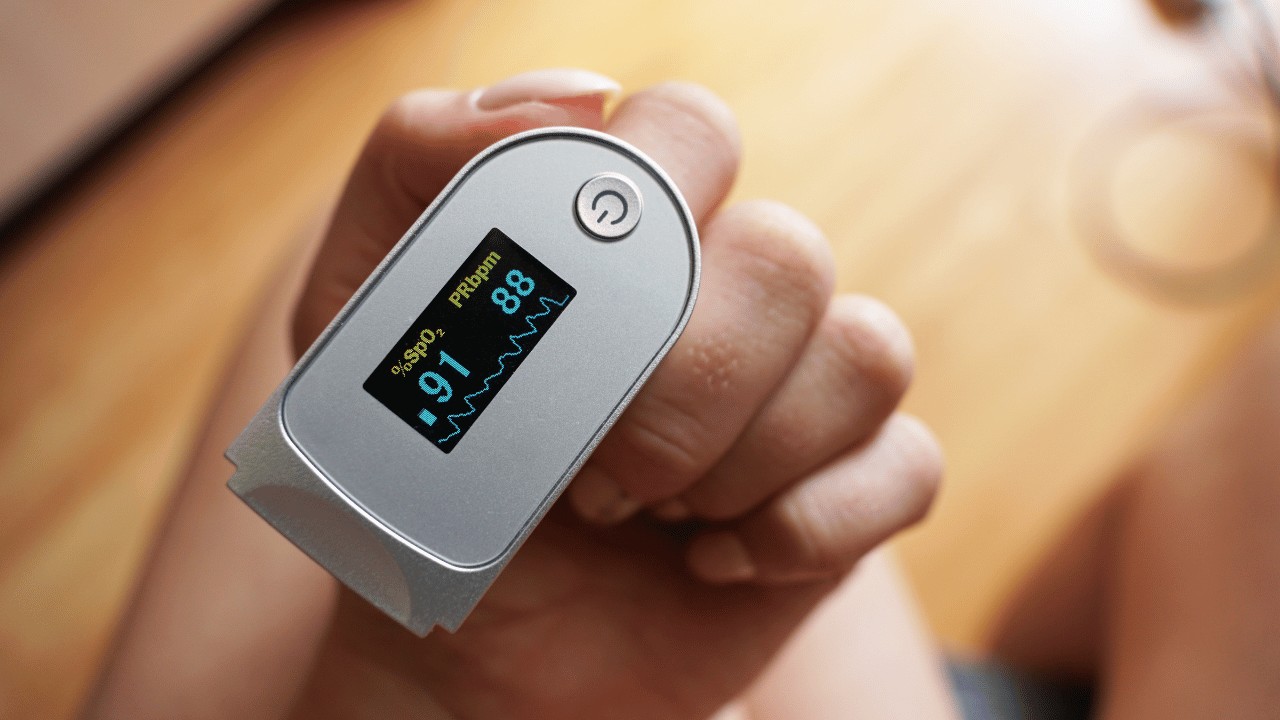
An HSAT commonly includes a breathing sensor (usually nasal), a pulse ox for sleep apnea, and a data collection device or monitor.
Types of Sleep Apnea Test Kits
There are four types of sleep studies that can be done to diagnose sleep apnea. Polysomnographs (PSG) are done by a sleep technician and provide comprehensive diagnoses. Another test is similar to PSG but can be done at home.
The other two types of sleep tests are the most commonly done at home. One is a portable monitoring device that measures up to seven variables, including respiratory, cardiac, and blood oxygen levels. It doesn’t measure brain activity, but some devices can detect movement. The fourth type of test is similar to the other at-home test, but its measurements are limited to one to three variables.

What Does a Sleep Study for Apnea Test Kit Measure?
Depending on the HSAT, your device may measure the following variables:
- Respiratory activity
- Airflow
- Breathing patterns and chest motion
- Heart rate
- Blood oxygen level
- Nocturnal movement and motor activity
- Sleep position, including how it changes
- Snoring events and intensity
How to Use a Sleep Apnea Test Kit
Using an HSAT is straightforward. You can get advice from your healthcare provider about how to do use it properly. Fortunately, the kits typically provide easy-to-understand, step-by-step instructions on the equipment as well for easy reference.
Here’s how to use a sleep apnea test kit at home:
Obtain a Prescription
You need a prescription to buy and use an HSAT. If you are struggling with symptoms associated with sleep apnea, make an appointment with a doctor or sleep specialist. If they suspect you have sleep apnea, they can prescribe a test.
Obtain an HSAT
Once you have a prescription, you can purchase an HSAT. Depending on the recommended test, you may have it done at a sleep lab or clinic or mailed to you at home.
Take the Test
When you have your device, read the guide carefully to learn how to use it. Your doctor may also give you instructions on how to operate it properly. This typically involves attaching sensors to certain parts of your body.
When taking the test, you must follow your usual sleep routines. This means going to sleep and waking up at your normal schedule and avoiding caffeine, alcohol, and other elements that could affect your sleep.
Discuss Your Results With a Professional
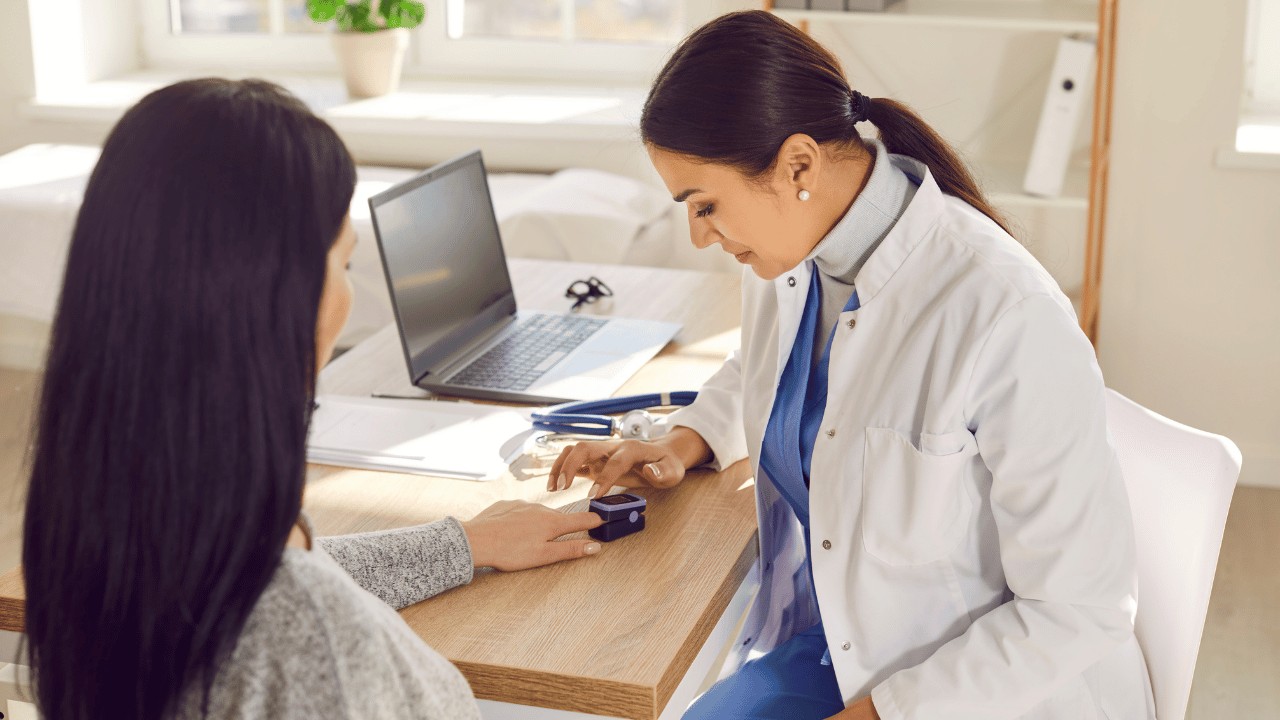
After taking the test, you can download the data. In some cases, you have to bring the HSAT to a sleep clinic or lab where the information will be extracted for you. Take the results to your doctor or sleep specialist to get a formal diagnosis and discuss possible treatment options. If your results are inconclusive, you may have to do a PSG.
Even though, a home sleep study is limited compared to the fancier tests in a sleep lab, the home test is great because it allows the user to sleep in their own bed and own sleep environment, best replicating the typical night of sleep. In the end, a sleep study or test kit just gives you a snapshot or sleep. Even with the extensive testing, it’s just one night. There can be value to having more data that can be a better representation of the range of what can happen with sleep. That’s where sleep trackers or overnight pulse oximetry can have value with time as long as there’s a way to review that data, know what it means and integrate it into your treatment plan with your medical provider.
Get Help to Support Better Breathing With Sleep Apnea
In addition to developing your treatment plan with your physician, you might be looking for more ways to support better sleep and breathing at night. If that’s the case, check out the Sleep Apnea Solution book that covers natural ways complimentary to your treatment plan.
Dealing with sleep apnea doesn’t have to be complicated. With breathing exercises, supportive nutrition, and conducive sleep environments, you can set your sleep up to be more refreshing than ever before!