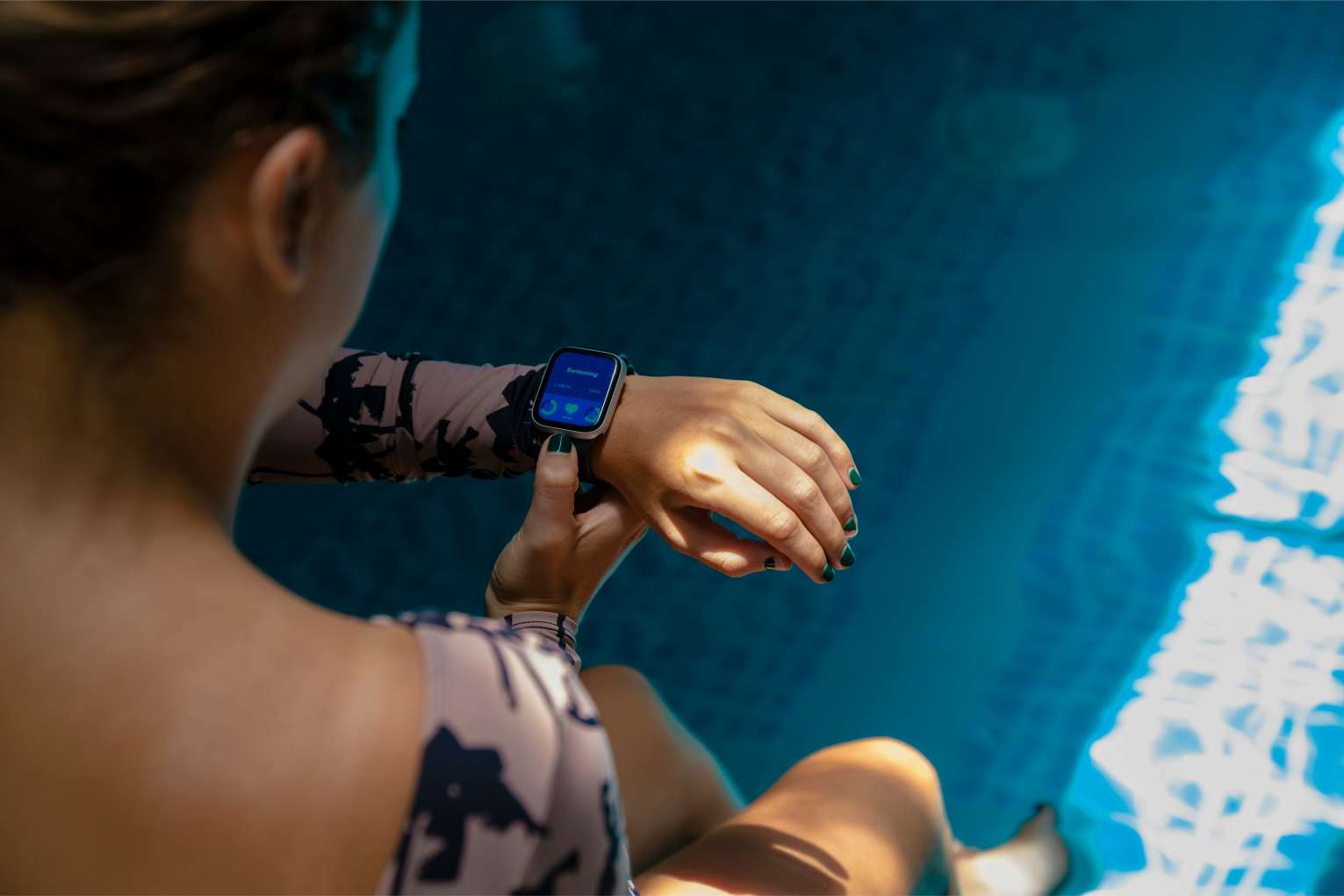
What if you could find out you had sleep apnea just by wearing a piece of technology? Turns out, this may be possible!
Studies have shown that heart monitors, especially portable devices like Holter monitors, can reveal some signs of obstructive sleep apnea (OSA). Other wearable health tech can track sleeping habits, too, but how?
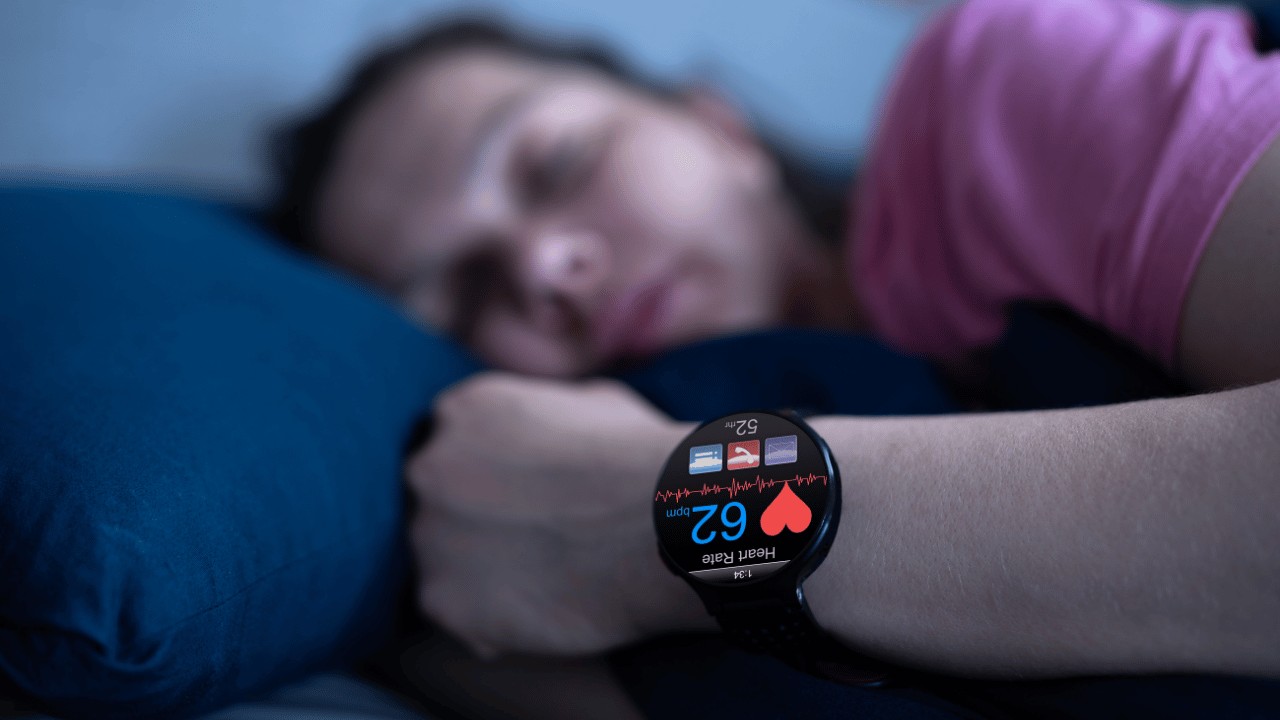
By measuring something called heart rate variability, heart monitors can detect patterns that might indicate breathing problems while you sleep. This can make spotting sleep apnea much easier and earlier, especially when a traditional sleep study isn’t available.
If you’re weighing your options between wearing a heart monitor or want to compare the Oura Ring sleep tracker and the Fitbit sleep tracker, read on.
How Do Holter Monitors Work?
Can a Holter monitor detect sleep apnea? First, let’s look at how they work.
Holter monitors are small devices that record your heart’s activity over the span of twenty-four to forty-eight hours. They’re most commonly used to check for heart issues, but according to some studies, they can also be used to help detect sleep apnea.
When you have sleep apnea, your breathing stops and starts while you sleep, which impacts your heart rate. Holter monitors can note certain changes, like irregular heartbeats or shifts in your heart rate, which can help provides insights on the possibility of sleep apnea as the culprit.
Monitors and Trackers Versus Sleep Studies
Heart monitors and sleep trackers can be very handy for keeping an eye on your sleep patterns, but when it comes to fully diagnosing sleep apnea, you will still want to visit your licensed medical provider. The full study is important to find out how bad it is and what the most appropriate medial treatment is for you. So whether they order a home sleep study or a full night’s stay in the lab, you’ll at least have that baseline study, report, and recommmended treatment to start.
Monitors and trackers mostly rely on things like movement and heart rate to estimate your sleep stages. They can be a great way to see how well you’re sleeping or help you notice trends in your sleep habits to see what habits may or may not be supporting your sleep, but they’ll never capture everything a sleep study can.
Diagnosing Sleep Apnea
If you’re picking up on a trend either on your heart monitor or your wearable health tech, it may be worth mentioning to your doctor. Only they can determine if you have the condition or not.
How will you get a diagnosis? Your doctor should work with you to evaluate your symptoms, which could look like:
- Extreme daytime fatigue
- Snoring
- Choking
- Gasping for air
- Morning headache
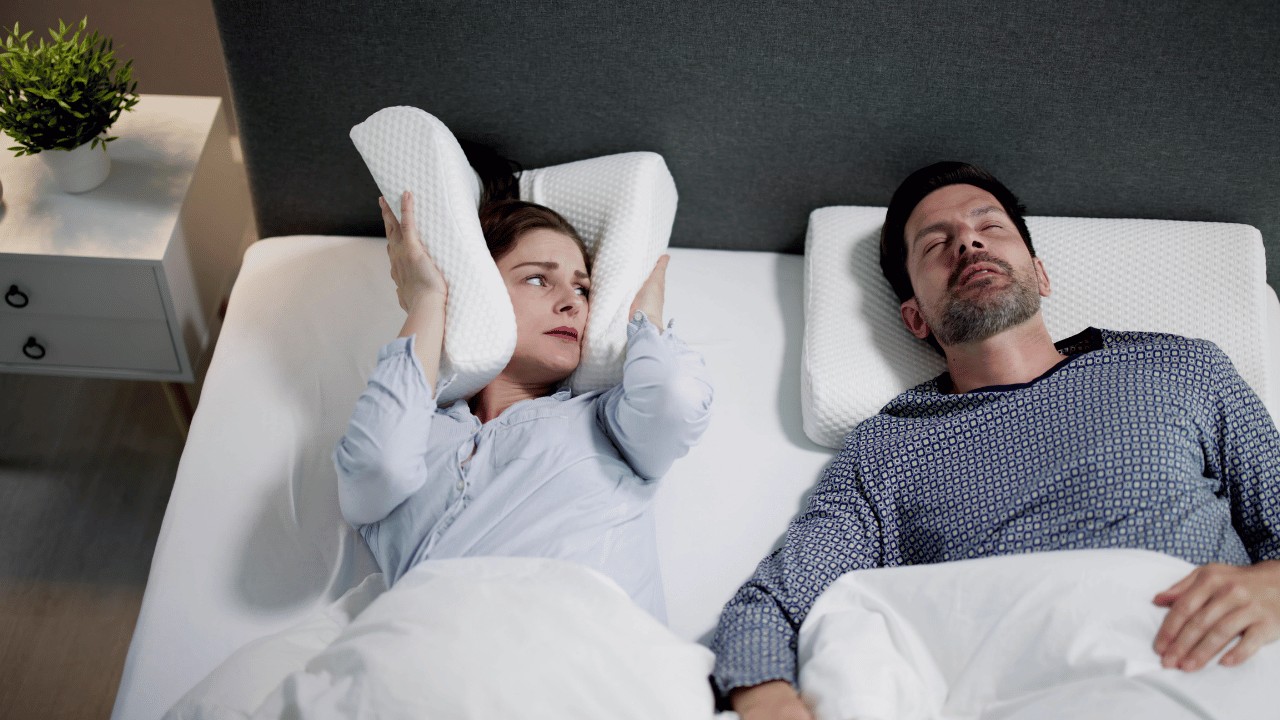
All of these are possible signs of sleep apnea. To be fully diagnosed with the condition, you’ll likely need to undergo a sleep study, but in some cases, your doctor can prescribe an at-home test that may include a heart monitor.
How do sleep studies work? You’ll stay overnight at a sleep clinic while doctors evaluate your health in several different ways, such as by measuring your brain waves and oxygen levels. This can help give them a clearer picture of what’s going on while you snooze.
If you go the sleep study route, how long does it take to get sleep apnea test results?
On average, it can take between a few days and a few weeks to hear back, depending on the type of test(s) you take.
Dealing with Sleep Apnea
Once you’ve received a diagnosis, what’s next? There’s no easy, one-size-fits-all treatment for sleep apnea. Some may be told to try a CPAP machine, while others may be recommended lifestyle changes like weight loss.
Some people wanted to learn complementary strategies to support breathing and sleep, so Dylan Petkus, MD wrote the Sleep Apnea Solution, where he dives into the top things people can do at home for calmer breathign and more refreshing sleep.