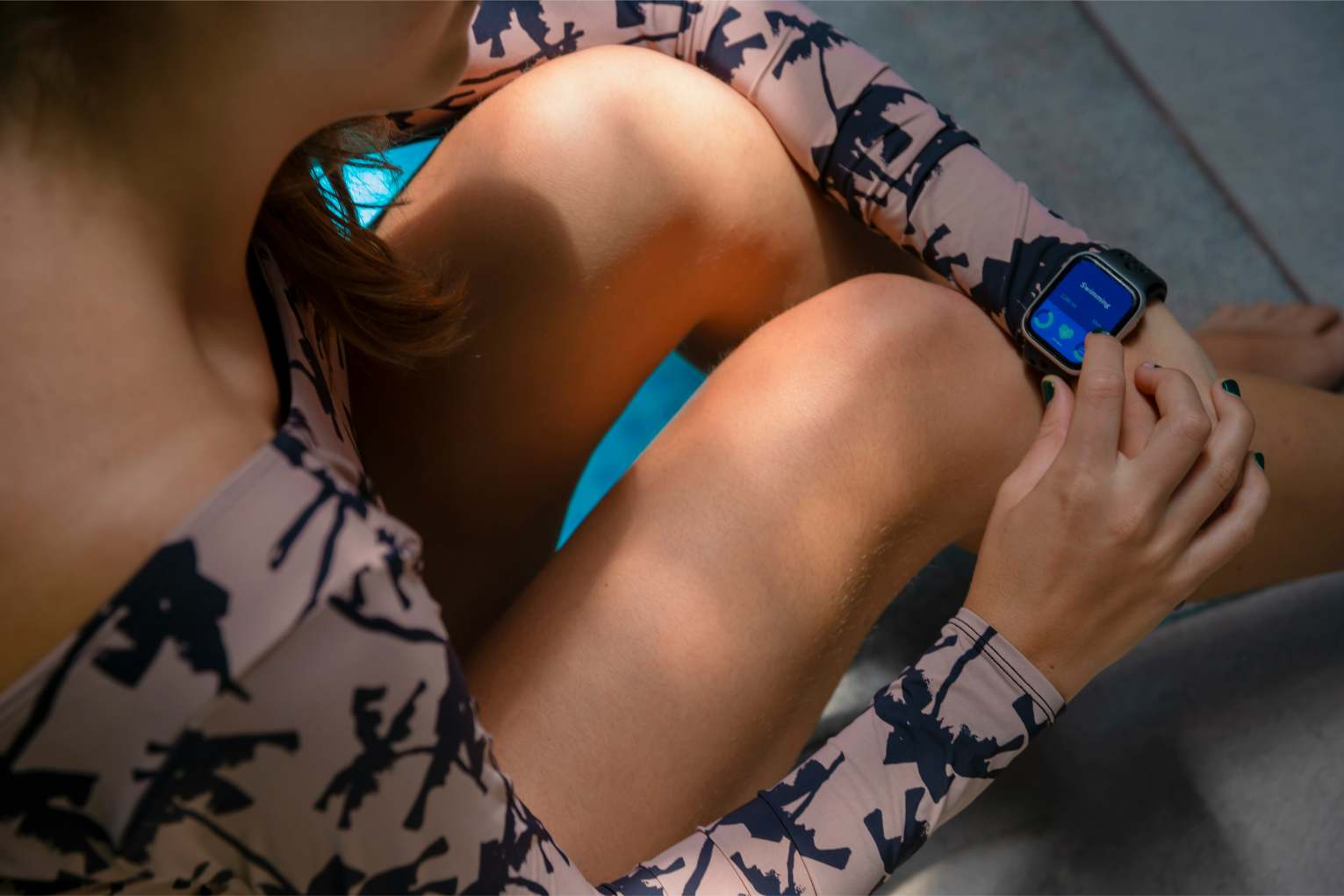
A sleep study can tell you whether or not you have sleep apnea, and it can also guide you in managing the condition and testing the accuracy of a sleep-tracking device comparison.
A sleep apnea test usually takes one night to complete. For a polysomnograph (PSG), you sleep in a clinic overnight and leave the next morning. Similarly, home sleep apnea tests (HSATs) take a night to complete. As it sounds, home sleep studies take place at home in the comfort of your own bed.
Afterward, you’ll get the results in one to three days (or up to three weeks, in some cases) after the test, depending on your healthcare provider.
How Does a Sleep Apnea Test Work?
A sleep apnea test uses sensors to measure the quality of your sleep. Its results can determine if you have sleep apnea or other sleep-related conditions, show how it manifests in your body, and help you figure out a targeted way to overcome your symptoms.
There are two main types of sleep apnea tests. The PSG is the golden standard of sleep studies, as it is more comprehensive than HSATs and requires more time to prepare for and analyze. HSATs are limited in what they can measure (which is usually only three to five variables) but are more convenient.
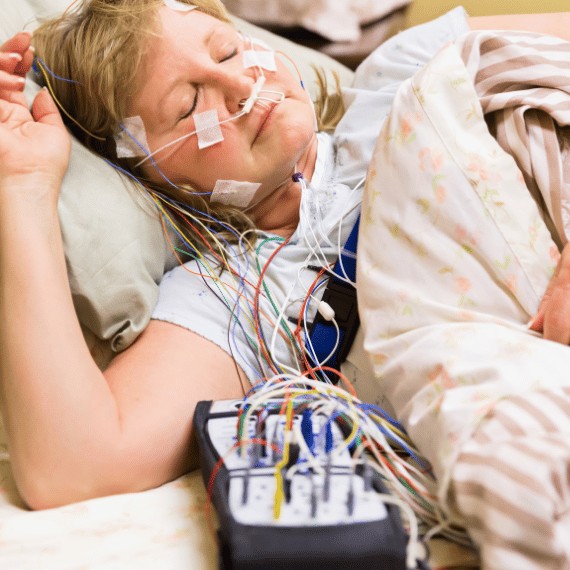
A polysomnograph or more formal sleep study that takes place in a lab, looks somewhat like the woman in the image below. You have a number of wires hooked up to you that measure different things that we’ll get into below.
Electroencephalography (EEG)
An EEG detects and records the electrical activity in your brain (brain waves). Different brain waves happen in different sleep cycles. Monitoring your brain activity helps to identify what issues are happening and to what degree. For example, it can show arousals associated with pauses in breathing or apnea events. It can also show changes in sleep arhitecture like little time spent in deep sleep or REM sleep.
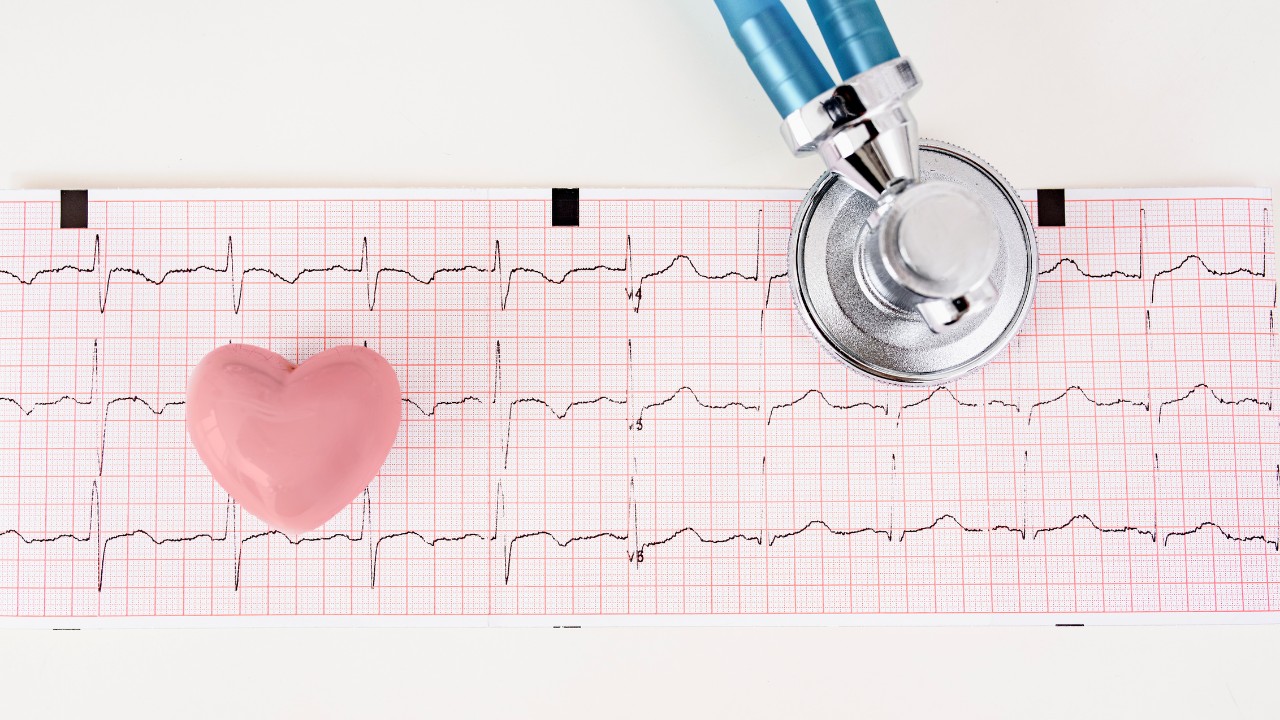
Electrocardiography (ECG)
An ECG picks up the electrical activity in your heart. This allows you to see if there are any abnormalities in the pattern or rhythm of your heartbeats.
An ECG similar to a heart monitor. If this information makes you wonder if a heart monitor detects sleep apnea, it can’t. However, it could point to signs of the condition. When there are pauses in breathing or apneas, this can impact the heart resulting a sudden increase in heart rate or even in some people, episodes of atrial fibrillation.
Electromyogram (EMG)
An EMG tracks muscle movement to understand how frequently and intensely you move in your sleep. EMGs in sleep studies don’t activate muscles as they do in standard diagnostic EMGs. They’re more looking for abnormalities in muscle tone that can be associated with sleep apnea or other sleep disorders.
Electrooculography (EOG)
An EOG looks into your eye activity during sleep, which could inform you when you’re in REM (rapid eye movement) and non-REM cycles. This determines how long your body is in a deep state of rest.
Breathing Sensors
Breathing sensors detect the air movement through your mouth and nose with sensors attached to these areas. The main types or pressure sensors that can help identify abormally low airflow (hypopneas) or complete lack of airflow (apneas). There are also temperature sensors that help to differentiate between the inhale, which is sensed from cooler air, and exhale, which is identified by the warmer air flow temperature.
Respiratory Inductive Plethysmography (RIP) Belt
An RIP belt measures the expansion of your torso, particularly around your chest and belly, when you breathe as you sleep. This can help to see how much your body tries to breathe to overcome an apnea event. This can be helpful in identifying central vs. obstructive events. In central events, when the brain is not triggering the need for oxygen and to breathe, the chest and/or abdomen won’t be moving and in obstructive events, the chest/abdomen will move to try to compensate for the lack of breathing.
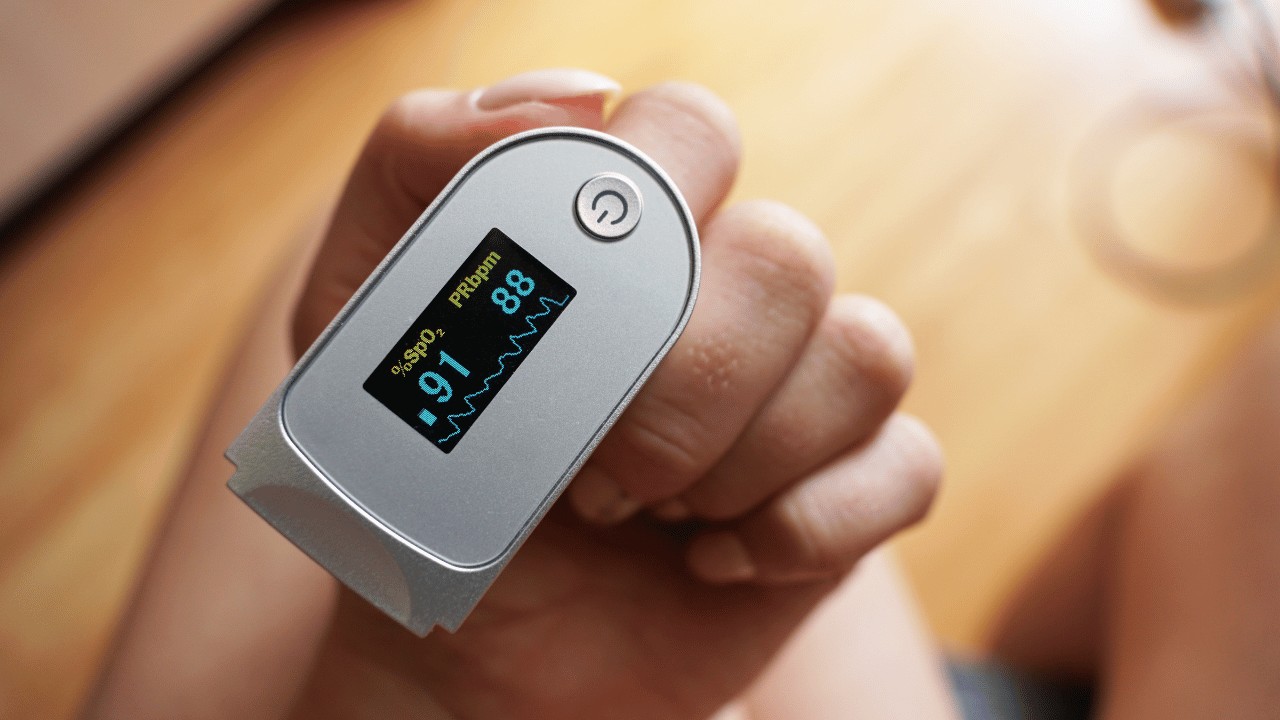
Pulse Oximeter
A pulse oximeter is a small device that attaches to the tip of your finger and monitors your pulse (heart rate) and blood oxygen saturation level, which is a percentage.
Video and Audio Monitoring
Audio and video monitors may be used in a sleep apnea test to see and hear how you behave while sleeping. Some non-sleep apnea sleep disorders can involve people even acting out their dreams so it can be helpful to have that video and audio information.
What Happens After a Sleep Apnea Test?
It can take as little as a few days to as long as three weeks before you get the results of a sleep apnea test. This will depend on the type of test you did (PSG results take longer than HSAT results) and your healthcare provider.
Once your tests are complete, your doctor or sleep specialist will review and interpret the data to properly diagnose you. You can also learn how to read sleep apnea test results to get a better grasp of what you’re dealing with. If the test confirms you have obstructive sleep apnea (OSA), your healthcare provider may schedule a follow-up visit and recommend ways you may be able to manage your condition.
I Have Sleep Apnea, What Now?
If you have OSA and are looking for ways for natural sleep, check out Dylan Petkus, MD’s bestselling book Sleep Apnea Solution for tips and guides on breathing techniques, lifestyle changes, and diet shifts that support more restful sleep and calmer breathing!