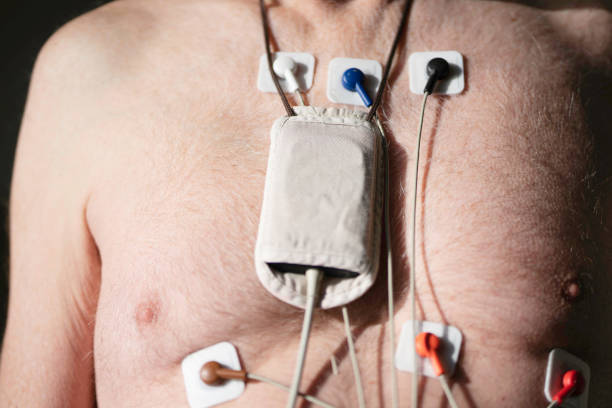
Did you know your heart could hold clues about the quality of your sleep? A Holter monitor, which is a small device designed to track your heart’s activity, can be used to diagnose heart issues like arrhythmias. Recent studies show it could be of use for detecting sleep apnea, too.
According to health experts, a sleep study is still recommended for diagnosing sleep apnea. However, a Holter monitor can pinpoint trends worthy of mentioning to your doctor. Sleep tracking with an Oura Ring or Fitbit can also help you take note of your sleep trends, as well.
How Does it Work?
When you wear a Holter monitor, it keeps track of your heart’s activity, usually over a span of one to two days. These machines can provide a big picture look at what’s going on with your heart over time, tracking patterns and any irregularities that may not show up in a traditional electrocardiogram.
For sleep apnea, a Holter monitor can keep track of changes in your heart rate and rhythm during the night–changes that usually happen when your breathing stops and starts. It can provide an easy way to collect more insight about your sleep health. So, can a heart monitor detect sleep apnea? It may be worth trying it and reporting the results to your doctor! Although, usually it is your licensed medical provider ordering a holter monitor test for a certain period of time anyways so they’ll have the data and can provide their insights on it.
Holter Monitor Limitations
A Holter monitor can only track your heart health, and there are other factors you may need to check before getting a full sleep apnea diagnosis.
Undergoing a sleep study can reveal some helpful information about your oxygen levels and brain activity while you sleep. For example, sleep studies can detect drops in oxygen levels caused by interrupted breathing, and they can monitor brain activity to identify how often you’re waking up, even if you don’t remember it happening.
By using information gained from a Holter monitor and a sleep study, your doctor will be more likely to be able to determine whether you have sleep apnea, how severe it is, and what treatment plan might work for you.
What to Do After Getting Holter Monitor Results
So, you’ve been wearing your Holter monitor and letting it do its job. The data you receive about your heart will help you make the next step.
If the monitor indicates irregular heart rhythms or patterns that could suggest sleep apnea, your doctor may recommend more testing to be sure of the diagnosis. In some cases, you may also be referred to a sleep specialist and even a cardiologist, depending on what’s going on.
If your Holter monitor doesn’t find any issues but you still feel symptoms like excessive sleepiness or poor sleep, you should talk with your doctor about other possible causes.
Dealing with the Diagnosis
Once you’ve gotten a sleep apnea diagnosis, you may find yourself buying a CPAP machine or searching for the best app to monitor sleep apnea. These are just some of the typical options. Your doctor will help you in selecting the best treatment options for how severe things are for you right now as well as a plan to monitor things as the natural trajectory is for things to worsen.
At Optimal Circadian Health, we believe no one should have to suffer because of their sleep apnea and that in addition to what they’re working on with their doctor, there are more opportunities to support easier breathing and sleep. This can mean implementing new breathing exercises or strengthening natural circadian rhythms.
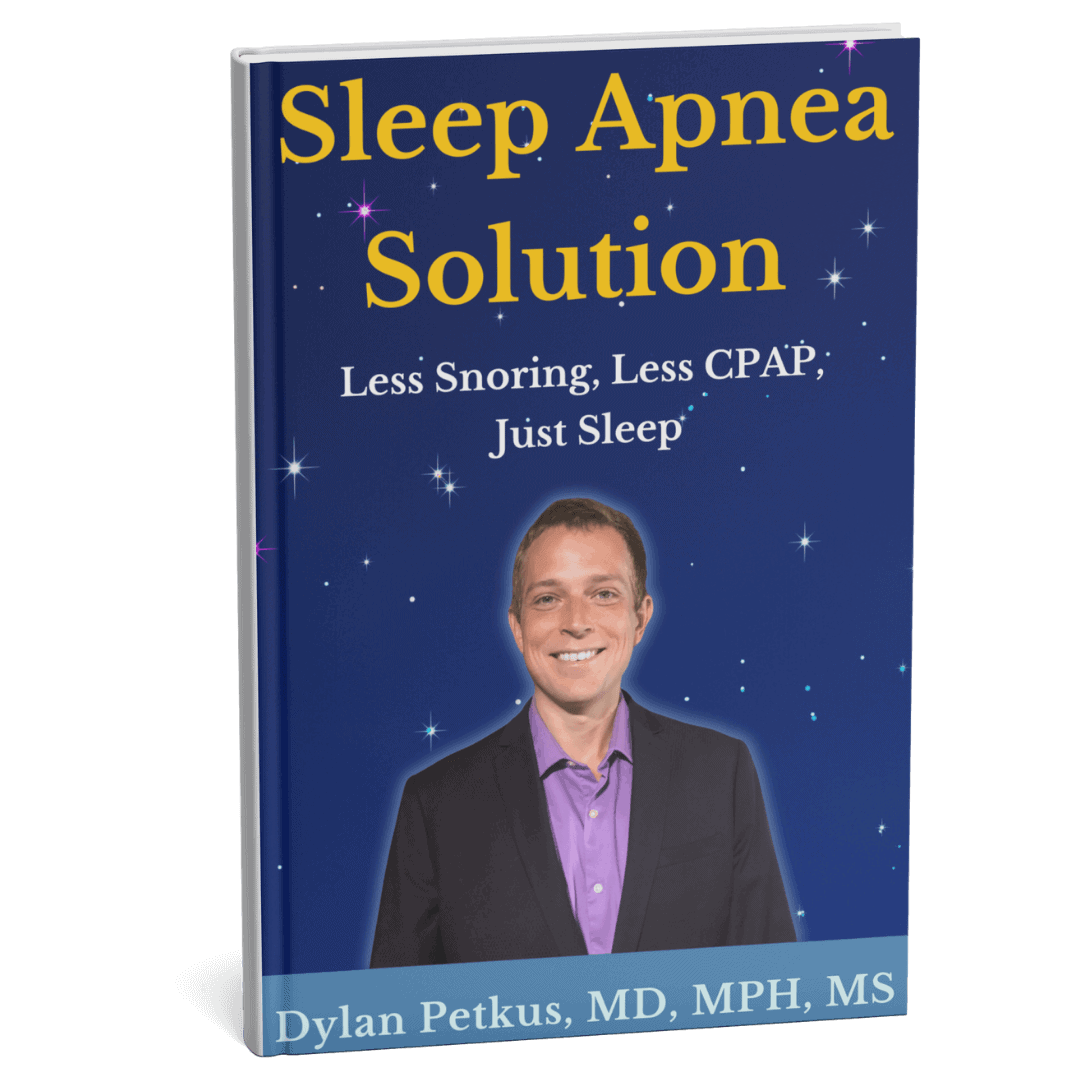
Our book, Sleep Apnea Solution, comes with insight you may find useful on your sleep apnea journey, including breathing routines, nutrition information, tips for refreshing sleep, and more. It’s our goal to help you find ways to sleep soundly!