Sleep Apnea Archives | Page 6 of 10 | Optimal Circadian Health

Box Breathing for Sleep Apnea
Box Breathing for Sleep Apnea

Are you searching for the best natural remedies for sleep apnea? One of the best strategies you can adopt for your sleep apnea is to control your breath with techniques like Bhramari pranayama for sleep apnea.

Another breathing therapy for sleep apnea is box breathing. It is an easy but powerful breathing technique that can help you relax your mind and sleep as long as it’s not too challenging for your body. Always consult with your doctor before starting anything new.

How to Practice Box Breathing

Box breathing follows a rhythmic, square-like pattern–much like drawing a box. Sometimes referred to as ‘square breathing,’ it’s one of the easiest breathing exercises to master. 

Box breathing can calm your nervous system when it runs wild or be used when you simply want to avoid having a restless night of sleep. Are you ready for how easy it is? Here’s how it works:

  • Breathe in for four seconds.
  • Pause. Hold your breath for another four seconds.
  • Release your breath for another four seconds.
  • Hold for another four seconds.
  • Then, repeat the process as many times as needed.

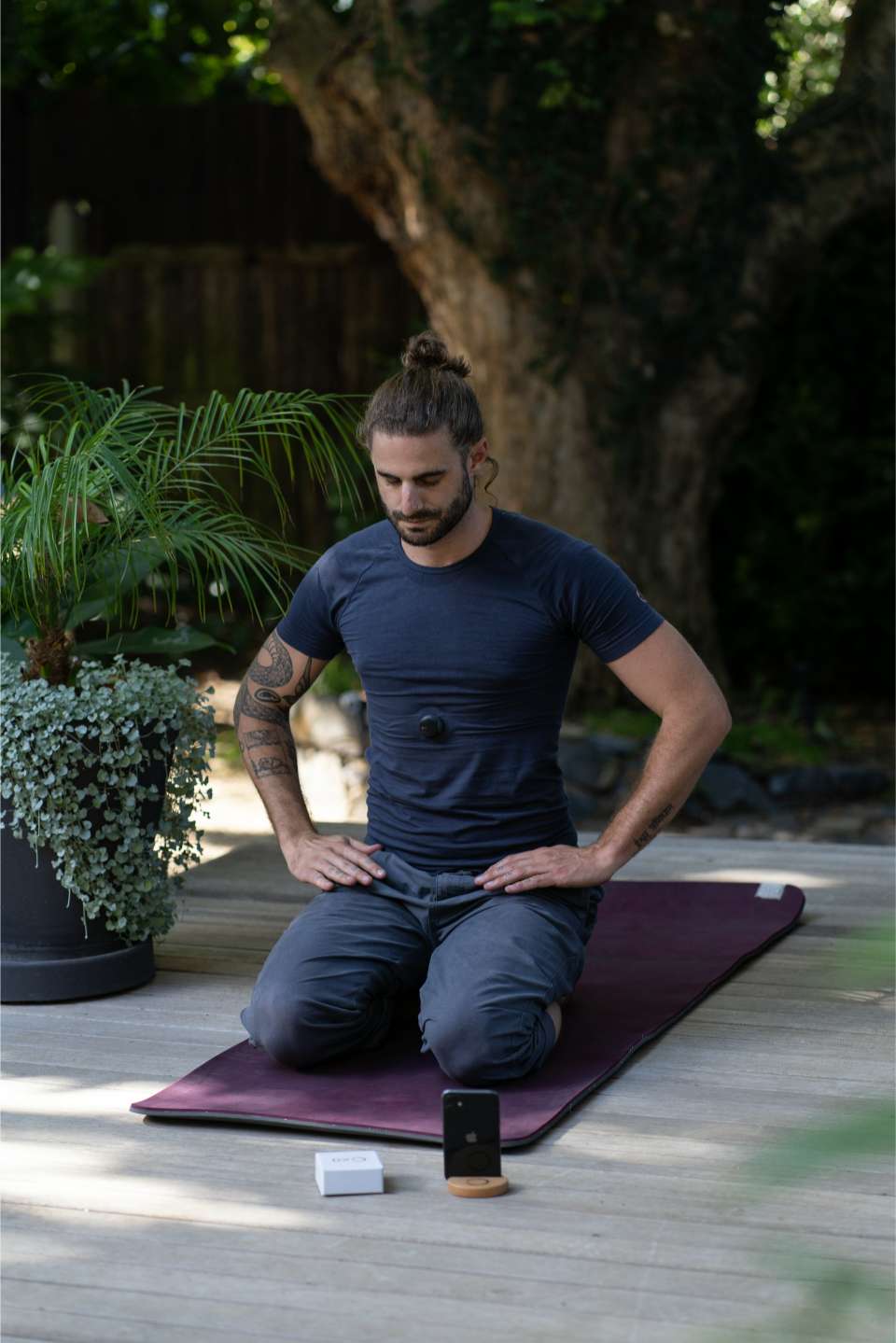
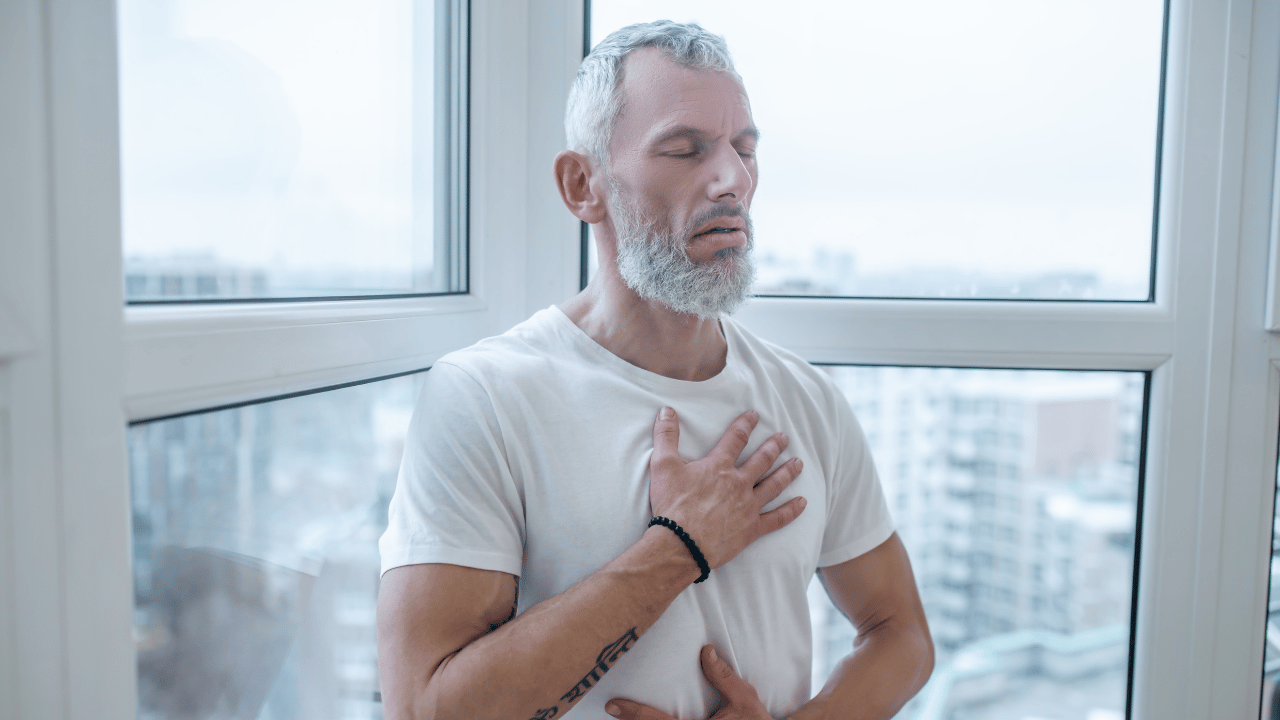
To try it out, find a comfortable spot and lay down on your back. With one hand on your chest and the other on your stomach, breathe in and out. Pay attention to how your body rises and falls under your hands. This is when you know you’re taking full, deep breaths.

The process itself is more important than the number of seconds you inhale and exhale. If three seconds is more your speed, try that.
How Box Breathing Helps Sleep

Box breathing slows your heart rate and sends signals to your brain to switch from the sympathetic nervous system to the parasympathetic nervous system. The parasympathetic nervous system is in charge of your rest. The exercise is relaxing as long as it’s not too difficult. Otherwise, it can be counterproductive.

This exercise has a number of health benefits, too–it:

  • Lowers blood pressure
  • Eases stress and anxiety
  • Calms your nervous system
  • Balances oxygen levels
  • Promotes relaxation

Breathe New Life Into Your Sleep Routine

Sleep Apnea Solution book by Dylan Petkus, MD introduces you to natural methods that matter for sleep apnea. Breathing techniques can complement your doctor’s treatment plan, supporting easier breathing and sleep.

Sleep Apnea Solution comes with a number of resources designed to help you breath naturally at night and support restful sleep, including:

  • A sleep apnea assessment
  • Sleep environment tips
  • Nutritional tips 
  • Guided breathing exercises
  • Nervous system reset

Sleeping doesn’t have to be a nightmare. By making some subtle lifestyle changes and practicing natural breathing, you could be on your way to sweet dreams!
Read More

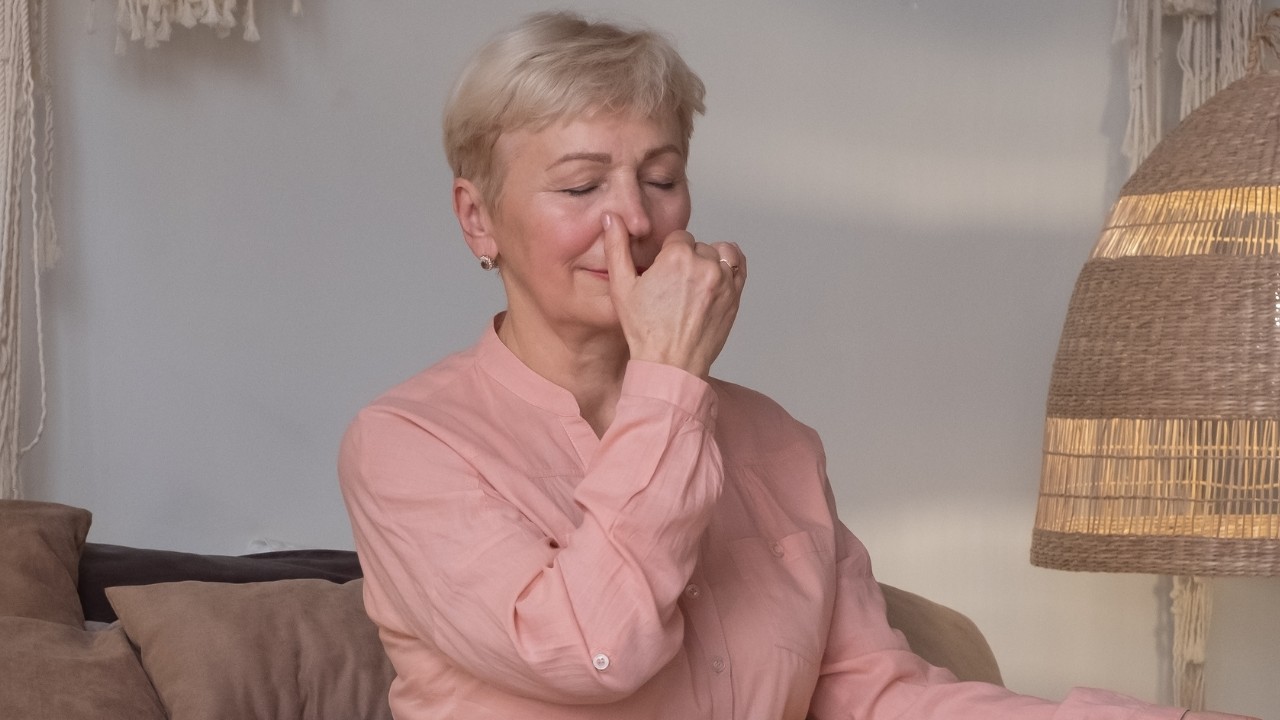
Bhramari Pranayama for Sleep Apnea

Bhramari Pranayama for Sleep Apnea

When you have sleep apnea, you’ll probably try anything to get a good night’s rest. If you’re avoiding sedatives for sleep apnea and want to try some natural remedies for central sleep apnea, have you closed your eyes and focused on your breath?

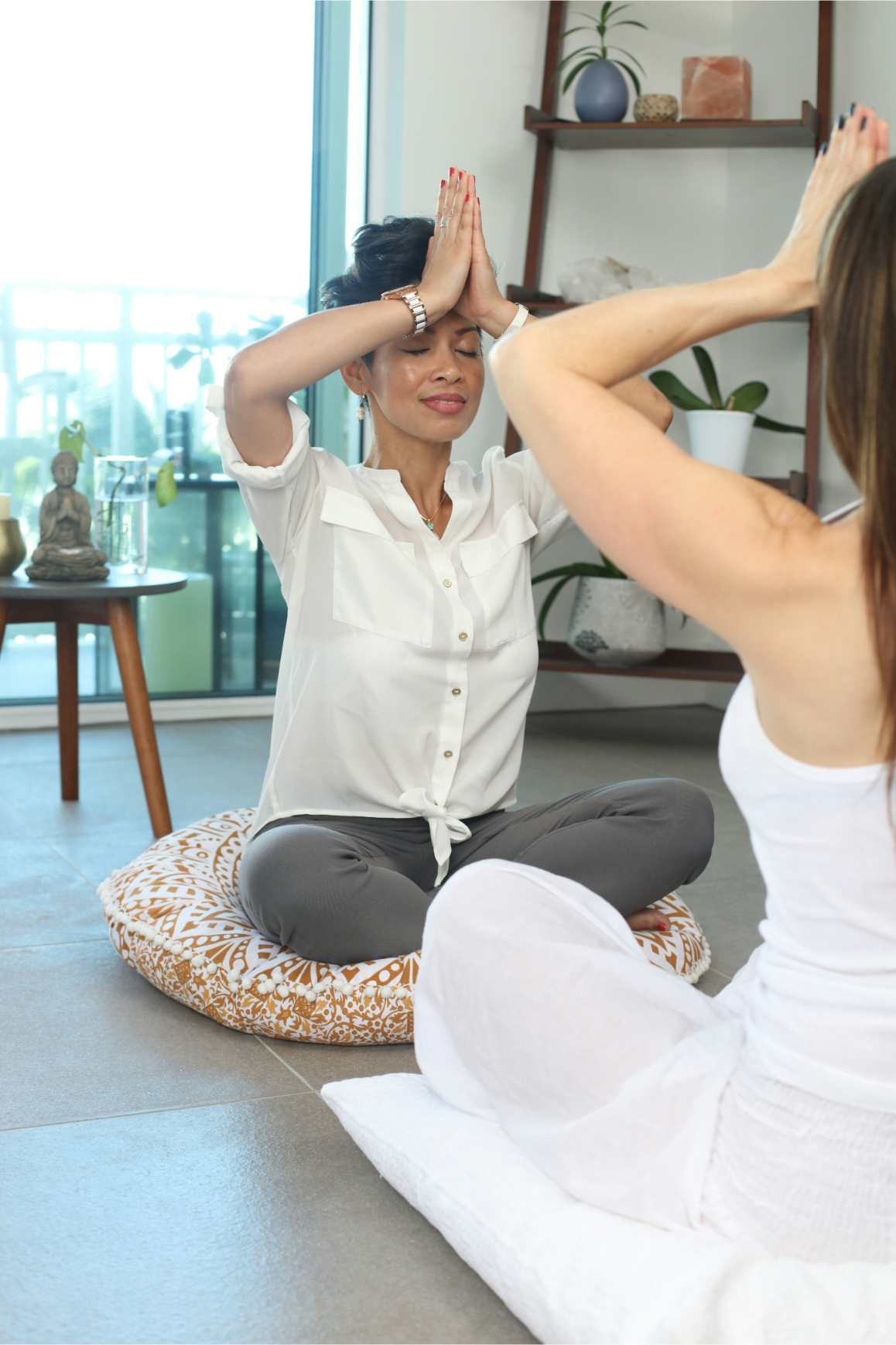
Practicing box breathing for sleep apnea. or ‘Bhramari pranayama,’ could send you into a deeper slumber. Bhramari pranayama is a calming breathing technique, often taught in yoga, and is meant to help with stress and anxiety, which may help with your sleep apnea. Performing this exercise before bed, especially if you’re restless, might make you feel more at ease and fall asleep (and stay asleep).

How Does It Work?

Healthline cites research done in the last decade that shows Bhramari pranayama can quickly lower breathing and heart rates. By doing so, it promotes relaxation and gets the body ready for sleep. If you want to give Bhramari pranayama a try and see the results for yourself, here’s how it works:

  • First, close your eyes and take deep breaths in and out.
  • Cover your ears with your hands.
  • Place your index fingers above your eyebrows. Your other fingers will rest gently over your eyes.
  • Apply light pressure on the sides of your nose and focus on your brow area.
  • Keep your mouth closed and release your breath slowly through your nose. Then, make a humming ‘om’ sound.
  • Repeat this five times. If it works, you should be sleeping like a baby in no time! 

Other Breathing Techniques

Are you looking for other techniques to help you catch much-needed Zs? There are others worth giving a whirl, each with the same mission but slightly different benefits. Let’s break down this list:

  • 4-7-8 breathing: A variation of Bhramari pranayama, its name says it all. Breathe in for four seconds, hold your breath for seven seconds, and then let all the air out for eight.
  • Buteyko breathing: Named for the doctor who created it, this exercise requires you to slow down and focus on breathing through your nose. This should leave you feeling more calm and steady.
  • Box breathing: This sleep strategy is super simple. Breathe in for four seconds, hold your breath for four seconds, and then breathe everything out for another four seconds. It’s like you’re creating a box in your mind. Box breathing is very common in meditation, which also helps you relax.
  • Diaphragmatic breathing: To practice diaphragmatic (belly) breathing, sit or lie down comfortably. Then, place one hand on your chest and the other on your abdomen, taking slow, deep breaths through your nose. If you’re doing it right, your abdomen should rise more than your chest.

No matter which approach you prefer, experts say breathing exercises have been proven to train your brain and body to help you sleep and breathe better.

A Multi-Faceted Approach to Sleep Apnea

Practicing good breathing exercises is just one piece of the puzzle. If you’re trying to find natural methods to complement your doctor’s sleep apnea treatment, it will probably take a multi-faceted approach. This could mean trying these breathing exercises, implementing a healthy diet, making some lifestyle changes, and more.

There are a lot of opportunities to support easier breathing and sleep. Dylan Petkus, MD has been through sleep apnea himself. He understands the struggle and shares how he overcame sleep apnea naturally in his book, Sleep Apnea Solution.

You’ll learn how breathing patterns can go awry, leading to the airway collapsing, and how spending 10 minutes before bed can set you up for more refreshing sleep!

Read More

Natural Sleep Aids for Sleep Apnea

Natural Sleep Aids for Sleep Apnea

If, like most sufferers, you feel you have tried all the natural supplements for sleep apnea, are looking to gain independence from sleeping with a noisy CPAP machine, or simply want to be active about promoting natural nighttime breathing, you’ll want to know which sleep aids are most likely to help.

Although many commercial products have little proven benefit, there are natural sleep aids like essential oils and relaxation-boosting teas, foods like nuts and vegetables known to be helpful for sleep quality, and tested routines and breathing exercises that can enhance natural sleep. In this article, we’ll summarize a few of the most popular natural ways to combat sleep apnea and clarify those that are supported by research and evidence that proves they are worth using in your sleep apnea approach.

Aromatherapy and Herbal Products Designed for Healthy Sleep

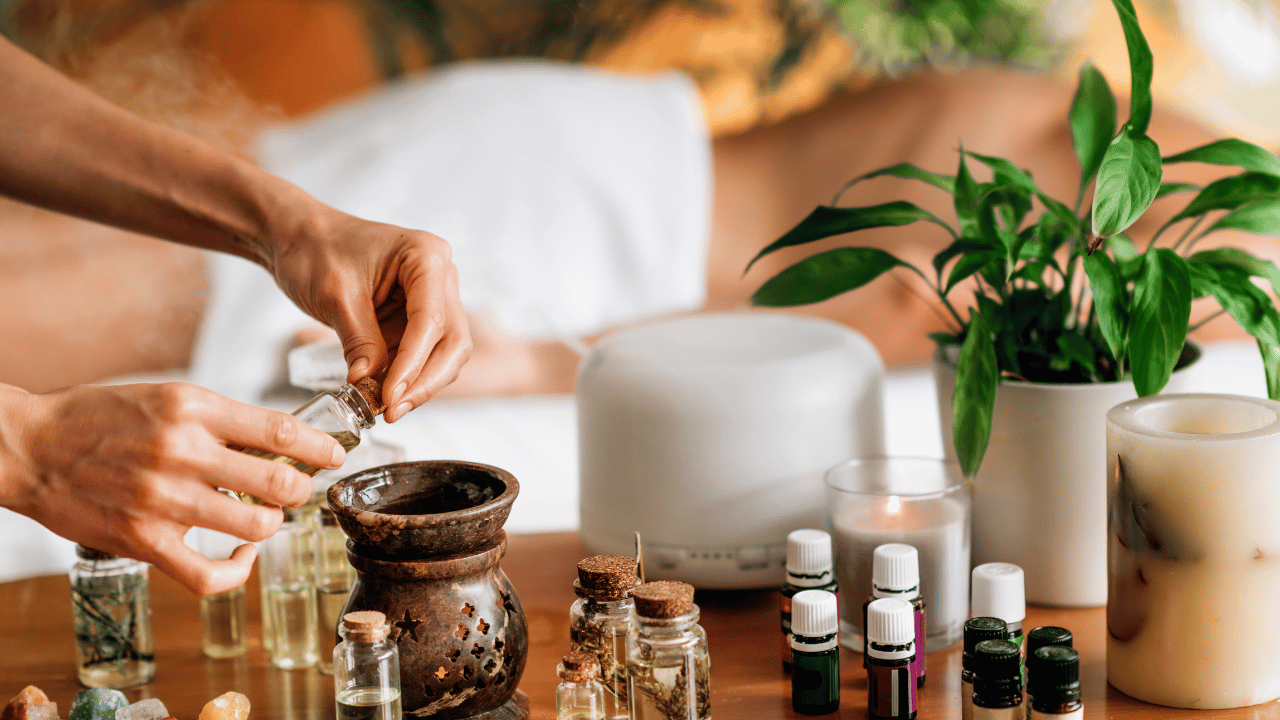
Let’s start with essential oils, including lavender sleep apnea creams and concentrates and peppermint oil sleep apnea misters or atomizers. Alternatives include specific types of citrus, like mandarin and bergamot, and sweet jasmine, which are sold as aromatic bath products or used in home scents.

The effectiveness of herbal teas and essential oils is subjective, but there are studies that have shown promising results when analyzing lavender for use in helping people with sleep disorders. Further clinical reviews have also found that combining peppermint and lavender oils provides some help with sleeping in participants with underlying health conditions–although additional evidence is needed to quantify how well these options are likely to help with sleep apnea.

Foods Known to Assist With Sleep

Some foods, particularly fruits and nuts, contain naturally occurring compounds like melatonin, potassium, calcium, tryptophan, and GABA (gamma-aminobutyric acid)–which clinical trials have found have a positive impact on stress levels and sleep. Adjusting your diet or having a small snack as part of your bedtime routine may be helpful; you might try:

  • Romaine lettuce
  • Kiwi fruit
  • Walnuts
  • Tart cherry juice

Other additives and supplements, like barley grass powder, contain high amounts of GABA and can be used in juices or smoothies.

The Link Between Sleep Quality and Exercise

Of course, being more attentive to your overall health and wellbeing can play a part in sleep. Researchers have discovered that, in overweight people, bringing their body weight down is ‘integral’ to managing sleep apnea symptoms.

This study highlights how even marginal weight loss can help gain a healthier night’s sleep and notes that maintaining a healthy weight can have tangible impacts on mild to moderate obstructive sleep apnea symptoms. For most, this happens because excess weight pressing on the upper airway contributes to sleep apnea episodes, whereas losing weight can help relieve that pressure–not necessarily eliminating symptoms but possibly making them less severe.

If you are already active and healthy, weight loss may not be beneficial, but incorporating health-positive exercise, movement, and meditative yoga may be worthwhile. Higher degrees of exercise can assist with mood, cardiovascular fitness, and heart health, all of which are beneficial.

Creating a Soothing Evening Routine

Relaxation is key to winding down after a busy day and ensuring your body and mind are prepared for rest. The stress associated with sleep apnea can cause heightened anxiety, with the thought of a restless, unsatisfactory night of struggling to sleep.

Using muscle relaxation exercises, meditation, and concentrating on progressive breathing techniques can have a significant impact. Slow, deliberate, and controlled breathing, focusing on the sound, speed, and quality of your breath, and visualizing yourself somewhere peaceful can settle down your thoughts.

By trying to reduce tension as much as possible, you may find that you fall asleep more easily and are less likely to have disrupted rest due to your sleep apnea.

Finding the Right Natural Sleep Apnea Aids

The best options, routines, and steps may differ between people, but many prefer to utilize natural sleep aids to ensure they are doing everything possible to help support their sleep and breathing naturally.

If you’d like to learn more about how Dylan Petkus, MD did this himself as well as a 10-minute breathing routine you can do before bed to support easier breathing and calmer sleep at night, check out the Sleep Apnea Solution book, now available on Amazon!

Sources:

Read More

Lavender Essential Oil for Sleep Apnea

Lavender Essential Oil for Sleep Apnea

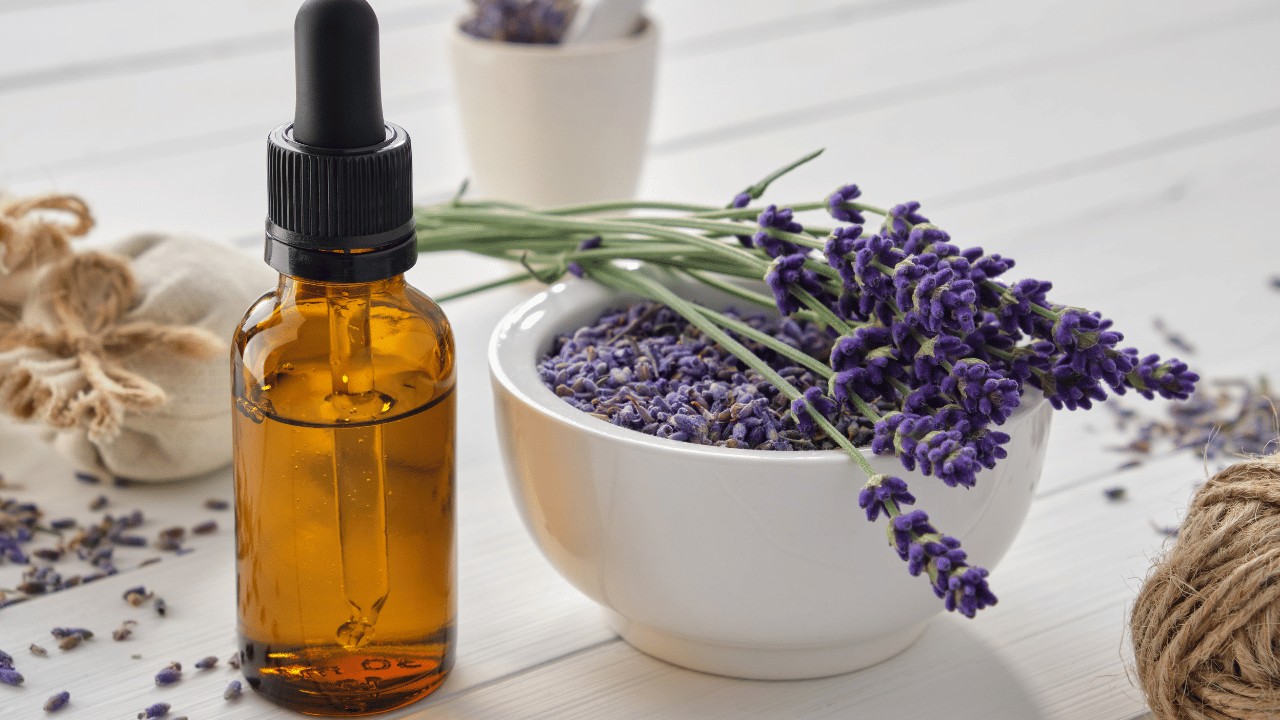
Lavender is a well-known herbal compound often used in sleep apnea supplements. This natural, plant-derived ingredient is also found in teas, sleep sprays, oils, and creams and is purported to help with restfulness, stress relief, and preparing for a healthy night of sleep.

While there is no suggestion that lavender essential oil products replace medical advice or can act as a cure, there is plenty of anecdotal and clinical evidence that lavender used properly is widely safe and can evoke a sense of relaxation, especially for sleep apnea sufferers who find that bedtime is associated with anxiety and stress.

In this post, we’ll explore the uses of essential oils and herbal teas that sleep apnea as some of the natural sleep aids for sleep apnea that you may find beneficial for your bedtime routine.

Sleep Apnea and Essential Oils


While sleep apnea is a widespread condition, it can also have ongoing ramifications, where intermittent pauses in breathing and the inability to wake feeling rested and energetic can make everyday tasks challenging. Common symptoms include fatigue and sustained grogginess, problems concentrating and focusing, disruptions to sleep due to snoring and frequent waking, and even more profound complications, particularly for sleep apnea sufferers with underlying cardiac health conditions.

Essential oils are not cited as a way to treat or cure sleep apnea, but they can potentially be used as part of a holistic approach, where proactive and conscious decisions to promote healthy nighttime breathing that can support relaxation.

Common Essential Oils Thought to Have Sleep Benefits


There are countless commercial products, essential oils, creams, bath foams, and teas sold as sleep aids, many of which contain essential oils such as:

  • Lavender oil
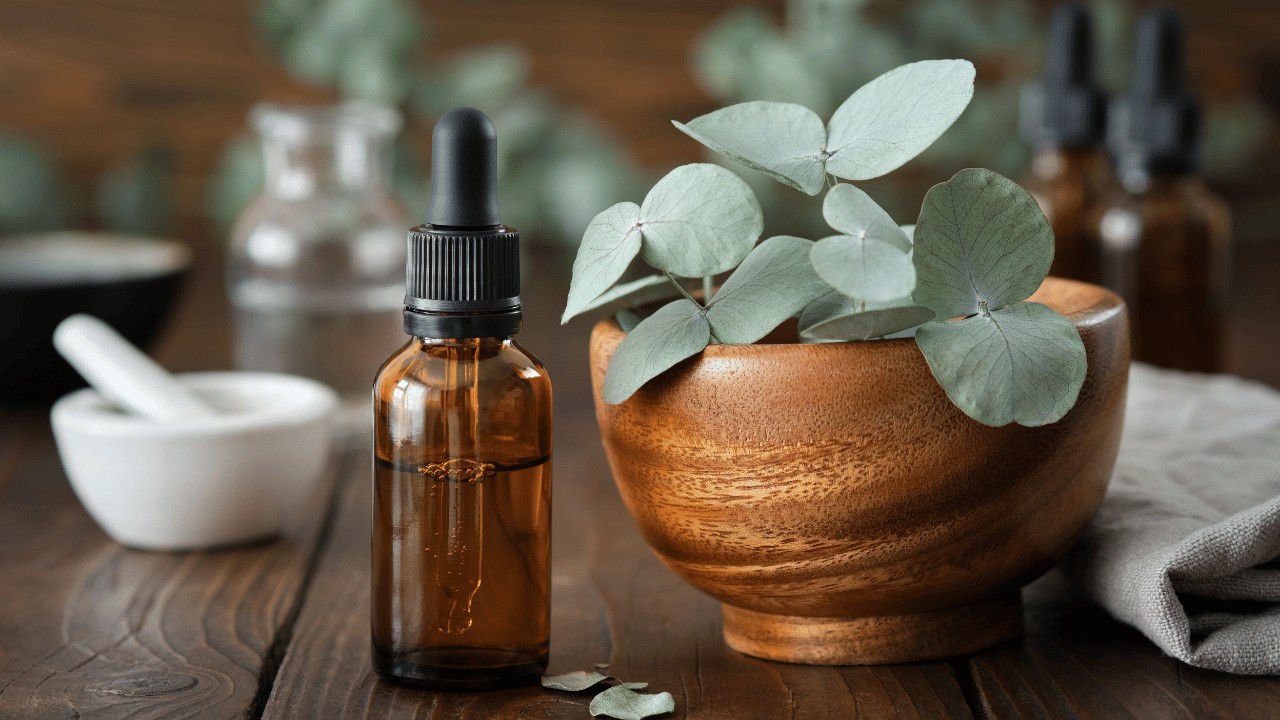
  • Eucalyptus oil
  • Peppermint oil

Each has varied applications and known benefits, but it is important to remember that there is no conclusive, wide-sweeping clinical research to quantify the advantages or unequivocally state that these essential oils are a key element in your sleep apnea toolbox. However, some studies note that lavender can, for example, provide a non-sedative calming impact and, as a safe and non-harmful ingredient, can be used in controlled amounts to help with the management of stress and anxiety disorders.

Therefore, a lavender essential oil product may act as one aspect of a sleep apnea strategy for sufferers experiencing stress and anxiety by helping to ensure they feel relaxed at bedtime.

How to Use Essential Oils to Enhance Natural Sleep

There are many essential oils on the market, and while the majority are safe and low-concentration, it’s also wise to be conscious of different forms and applications. Topical essential oils tend to come in full-strength concentrates, which can be harsh and irritating when applied directly to the skin. Therefore, diluting oils in the bath or using a skin-friendly oil like coconut oil as a base is preferable, especially if you have sensitive skin.

Diffusers that emit essential oils into the air are also widely available. Still, it’s important to check the concentrations and usage instructions as higher concentrates could potentially be harmful or cause further sleep disturbances.

If you’re new to essential oils, never try to add them to a tea–the oil-based formula can contribute to gastrointestinal issues. It’s important to use products in the format provided and read the guidance beforehand. The best advice is to speak with your physician or practitioner if you’d like to introduce essential oils to boost natural breathing at night and have any concerns about whether they will be safe in conjunction with other medications you may be using.

Incorporating Lavender Oil Into Your Sleep Apnea Nighttime Routine

There’s little doubt that lavender can be a great plant-based oil, but depending on your preferences, you might find that a gentle, relaxing lavender and chamomile tea or lavender-infused bath foam or shower gel produces the desired effect without any possible downsides.

Regardless, a more conscious focus on health, wellbeing, and sleep hygiene is a great way to proactively address sleep apnea. Alongside essential oils, you might opt to take supplements or increase your dietary intake of key vitamins that assist with inflammation reduction, restful sleep, and stress relief.

Further information is available through Sleep Apnea Solution by Dylan Petkus, MD. It explores how breathing patterns go awry in people with sleep apnea and how a simple breathing routine can set you up for easier breathing and more refreshing sleep!

Sources:

Read More

Avoiding Sedatives for Sleep Apnea

Avoiding Sedatives for Sleep Apnea

When managing sleep apnea, avoiding sedatives at all costs could be one of the best moves you make. Why is that? Sedatives may be great for relaxing your entire body, but it may be bad news for your throat.

It’s possible that sedatives may relax your throat a little too much, leading to more snores and sleep interruptions. By avoiding sedatives, your airway may function better, and your sleep might get a major upgrade.

Instead, talk with your doctor about alternative treatments other than sedatives. Many people also consider trying complementary natural remedies for obstructive sleep apnea. This could include trying an anti-supine sleep position, making diet and other lifestyle changes, or sipping some herbal tea to relax your mind and body before bedtime.

The Impacts of Sedatives on Sleep Apnea

If you have sleep apnea, you’ve probably wished you could simply pop a pill and drift off into dreamland. However, taking a sedative or a sleeping pill can be problematic because it relaxes your entire body, including your airway just like alcohol does. These sedatives can lead to significant increases in apnea episodes and thus, more severe sleep apnea symptoms and side effects. These could include:

  • Constant daytime sleepiness and exhaustion
  • Reduced attention span and memory
  • High blood pressure or other cardiovascular problems
  • Diabetes
  • Increased mood swings
  • Anxiety and/or depression

Lifestyle Changes to Try

To help calm your nervous system and allow for easier, more restful sleep, you can incorporate natural ways to allow for  more resilient sleep. Here are a few things some people will start with:

  • Breathing exercises: Techniques like box breathing or rectangle breathing can strengthen your respiratory muscles and improve airflow. Practicing Bhramari Pranayama for sleep apnea, a form of breath control in yoga, can also help you relax and calm your nervous system.
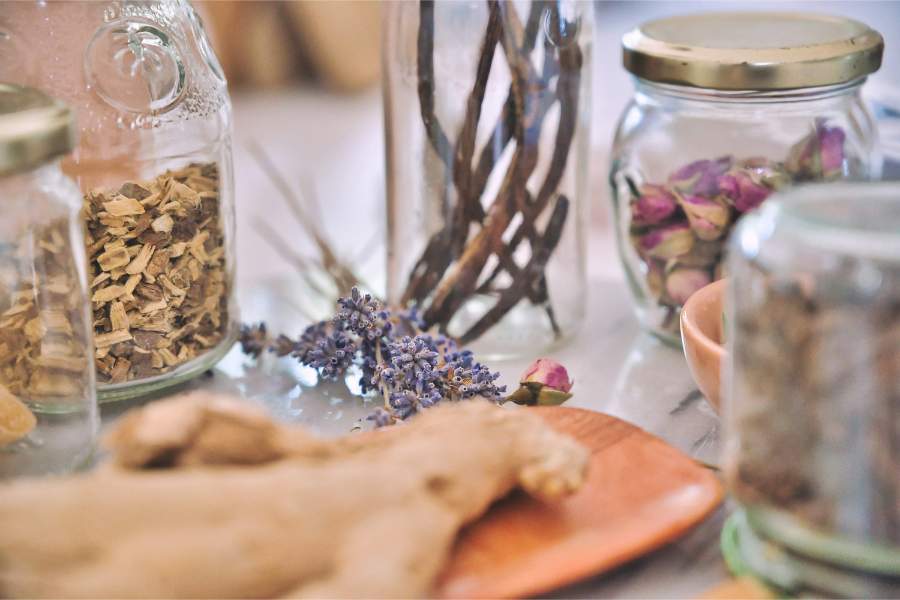
  • Anti-inflammatory herbs: Adding valerian root, turmeric, ginger, or chamomile to your diet may help reduce airway inflammation and promote better sleep.
  • Anti-supine sleeping position: Try sleeping on your side, rather than on your back, which can allow for easier breathing.
  • Healthy weight: Weight management can lower the severity of your sleep apnea by putting less pressure on your airway. Not everyone has weight to lose or can keep it off, so it may not be applicable to you.
  • Consistency: Going to bed and waking up at the same time every day (even on weekends) can help support your body’s internal clock. 

The Root of it All

While there are many opportunities worth trying to help complement your doctor’s treatment plan for sleep apnea, it’s important to appreciate some of the most important things underpinning breathing at night. Making the right lifestyle changes can lead to long-lasting shifts in breathing and sleep. 

Dylan Petkus, MD shares the most important pieces that helped him overcome sleep apnea in his book–Sleep Apnea Solution–available on Amazon! Inside, you’ll learn the breathing routine designed to support easier breathing for more refreshing sleep.

Read More

Herbal Tea for Sleep Apnea

Herbal Tea for Sleep Apnea

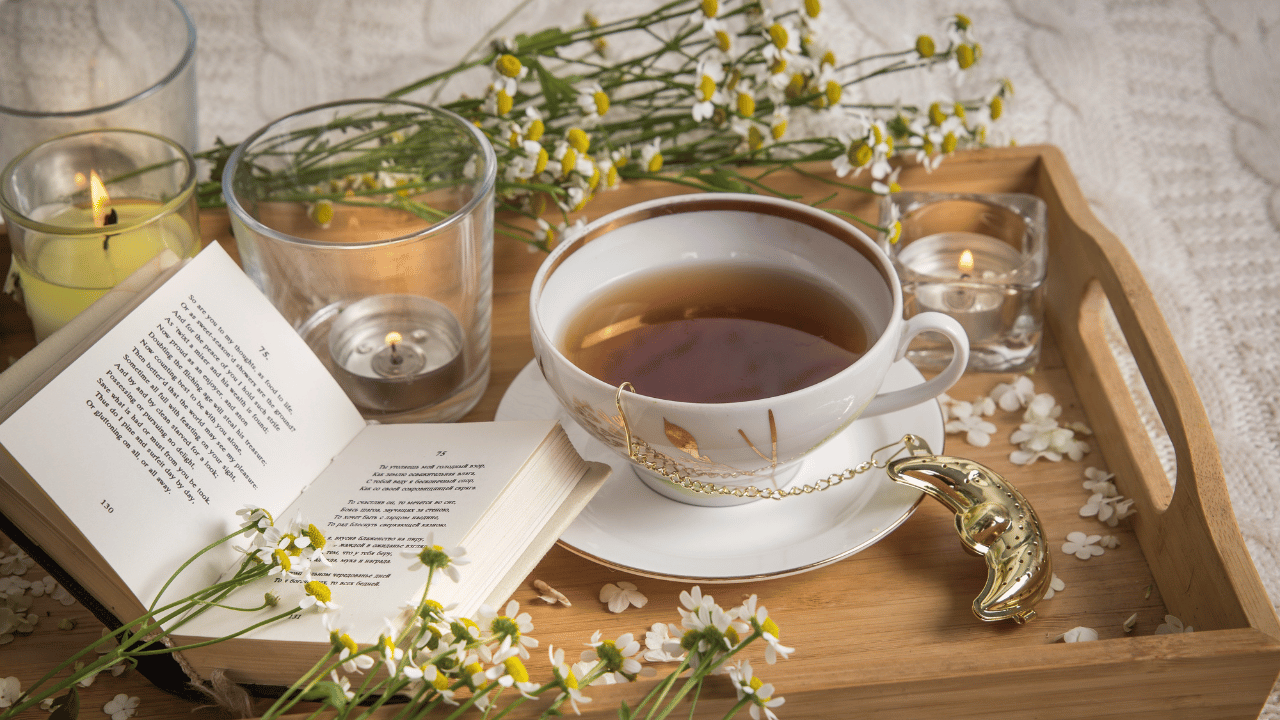
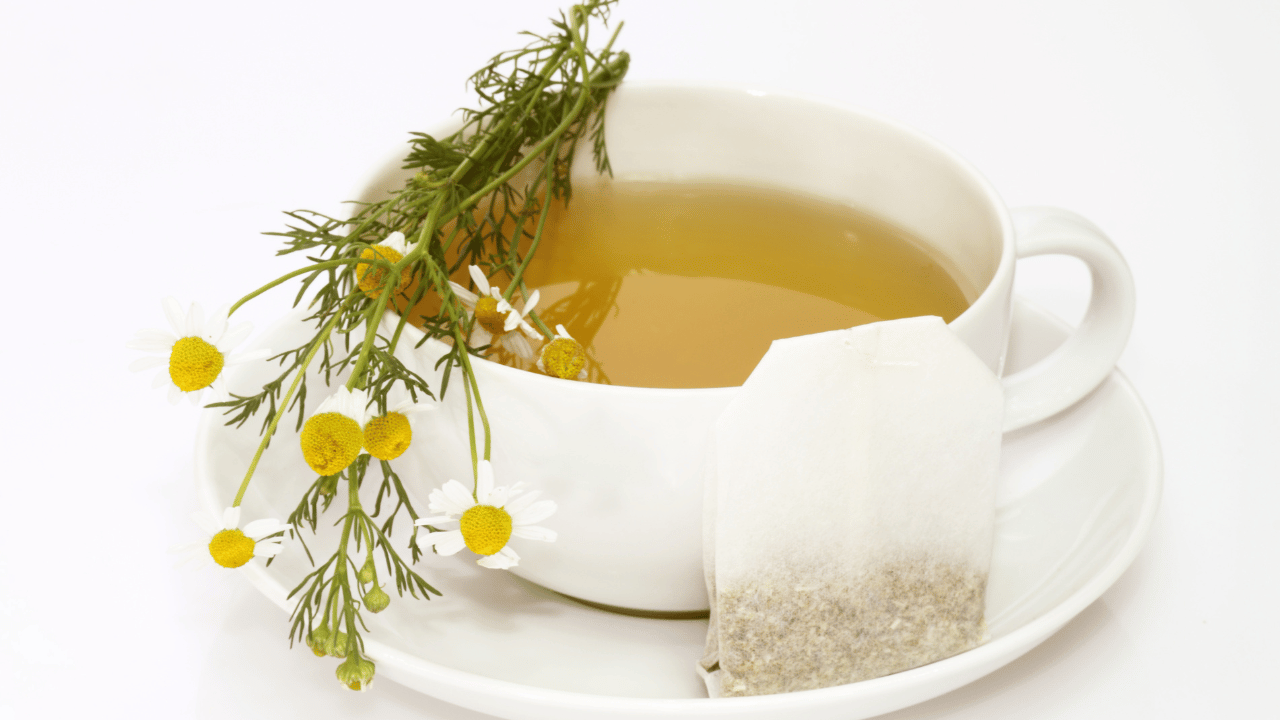
Many people use supplements for sleep apnea to try and build upon their ability to unwind and relax in the evening and to optimize the efficacy of breathing techniques, sleep positioning, and a healthy sleep environment to help promote easier nighttime rest. Sleep apnea sufferers also often use herbal teas, primarily because of the lack of caffeine but also because some perceive that a warming drink, such as chamomile or peppermint tea, can help support a better night of sleep.

Today, we’ll look at why this is, alongside natural, plant-based products like lavender essential oil that sleep apnea sufferers commonly incorporate herbal tea into their bedtime schedule to form habits that augment restfulness and could potentially help them get to sleep more quickly.

Types of Herbal Tea Blends Used for Sleep Apnea


Many herbal teas marketed as beneficial for sleep contain well-known herbs, spices, and roots derived from plants, making them suitable for most people, including those following nutritional diets to improve their overall health as part of a multifaceted sleep apnea approach. Here are some of the most common ones:

Lavender Teas


Controlled trials have found that lavender, combined with good sleep hygiene, can positively impact people struggling with sleep–although this research related to general participants rather than specifically to sleep apnea. However, some find that warm, caffeine-free lavender tea can help soothe stress and anxiety, which can exacerbate sleep disturbances, as a way to help them unwind and relax.

The active ingredients within the lavender plant, including linalool and linalyl acetate, are thought to work as nature’s sedatives with sleep-inducing effects. While not a resolution for sleep apnea, they may help lower the impact of anxiety to work towards greater sleep quality.

Chamomile Teas

Chamomile has long been used in herbal and holistic products as a natural tea containing a flavonoid called apigenin. This flavonoid may help promote sleepiness by lowering stress and preparing the mind and body for rest.

Researchers have established that chamomile is safe for older adults and found that in select groups, again not necessarily with sleep apnea, chamomile extracts could help enhance general sleep quality. Many people prefer to drink a warm cup of chamomile tea before bed or after meals as part of an established sleep routine.

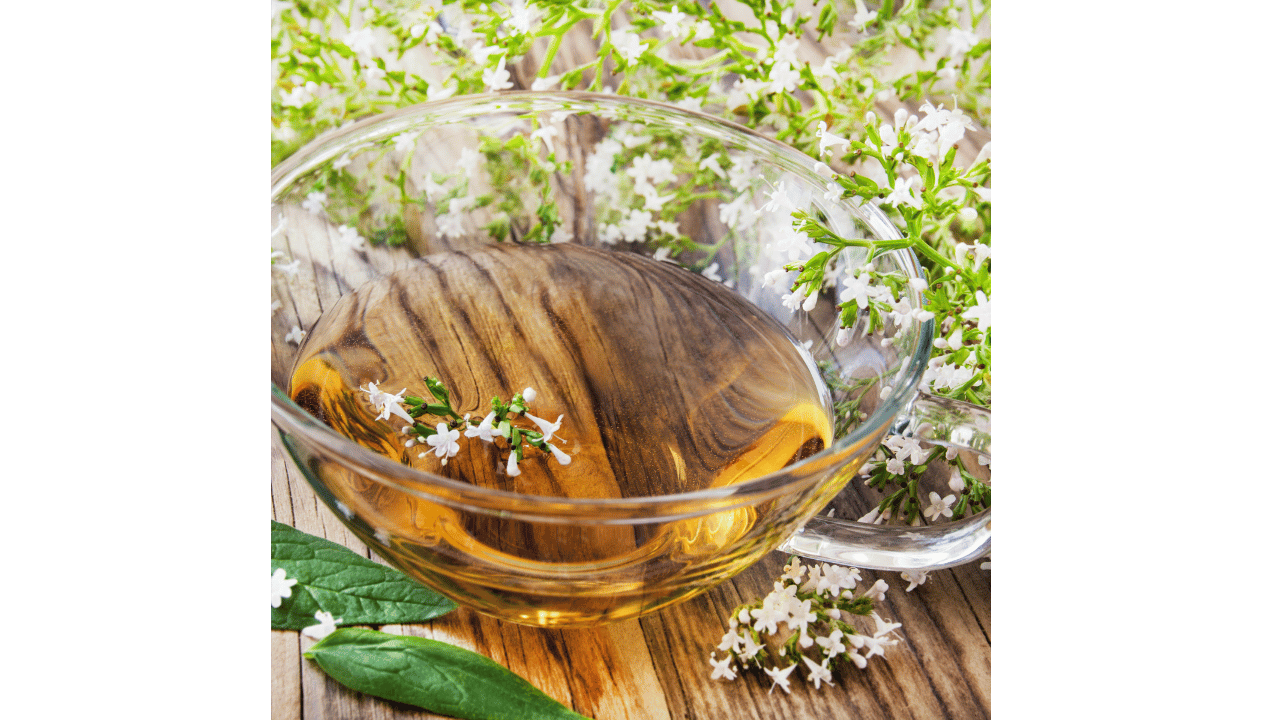
Valerian Teas

Valerian tea is made from a root extract taken from the valerian plant. Because it often has a distinct scent, it is most commonly sold blended with other ingredients like chamomile and lavender, which we’ve already mentioned.

Although there is conflicting evidence about the effectiveness of valerian root, some believe that the antioxidant compounds present in it, and in many other plants and roots, help induce sleep, relaxation, and calm–all of which are essential to sleep.

Rooibos Teas

Rooibos, sometimes sold as ‘red bush tea,’ is another caffeine-free herbal tea. Although it isn’t thought to have any nutritional properties or sleep-inducing vitamins, its soothing effect could make it a good tea for sleep apnea.

This tea, made from plant leaves, is also a source of magnesium, which may be useful for people with low magnesium levels, although there remain mixed thoughts about the role magnesium may play in sleep.

Using Herbal Teas as Part of Your Approach to Sleep Apnea

Some herbal teas have known properties or ingredients useful for better quality sleep, whereas others are subject to individual perceptions and might seem to have varied effectiveness between people. A warm, non-caffeinated drink before bedtime, though, is typically beneficial and can form part of an intentional sleep hygiene routine, regardless of the flavors of teas you prefer.

One caveat is that no herbal tea is thought to ‘treat’ sleep apnea as an alternative to medically supervised interventions or breathing exercises. Another potential issue is that increasing the volume of fluids you consume before bed can lead to increased urinary frequency at night, which can be counterproductive. Still, if you find any of these teas useful for relaxation, they may be well worth a try.

Now, being able to feel a bit more relaxed before bed may help falling asleep but with sleep apnea, typically people wake up multiple times a night due to pauses in breathing, also known as apnea events.

Naturally, supporting easier breathing at nighttime is important. Dylan Petkus, MD shares how he did that in his own journey to overcome sleep apnea in the Sleep Apnea Solution. This book includes tested breathing techniques to allow for calmer, natural breathing at night. Get the book on Amazon today.

Sources:

Read More

Anti-Supine Sleep Position

Anti-Supine Sleep Position

If you sleep on your back, you may be exacerbating your sleep apnea. This is because when you’re in the supine position, your tongue and the soft tissues in your throat are more likely to slump down and block your airway thanks to gravity!

For many people, adopting a non-supine sleep position, such as side sleeping, can reduce how often the airway collapses. The side sleeping position keeps your airway open and reduces your chances of airway obstruction while you snooze.

Avoiding sedatives for sleep apnea is a must because these substances can relax the muscles in your throat too much, which could worsen airway blockages. If you’ve been looking for natural home remedies for sleep apnea, there are various anti-inflammatory herbs to help sleep apnea. Remember, before trying new things, check with your doctor.

A Range of Sleeping Positions

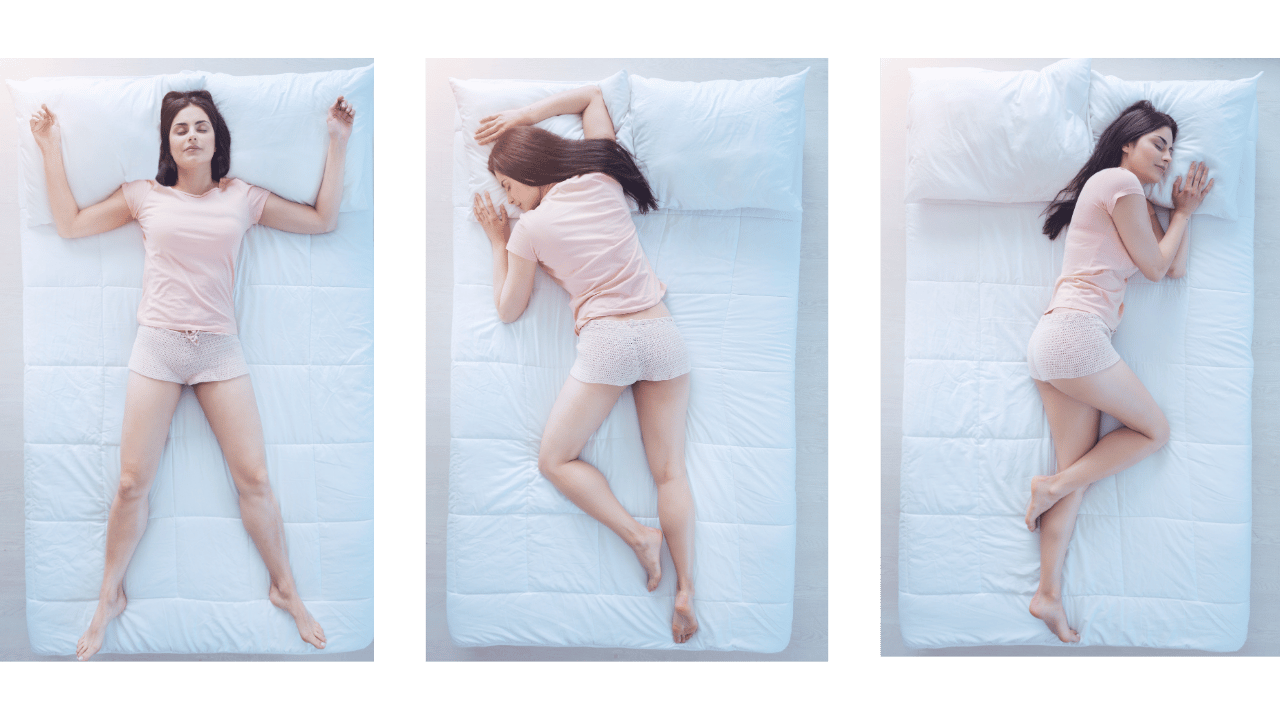
‘People typically notice some sleeping positions to reduce apnea events compared to others. Let’s break them down:

  • Supine position: A term used to describe sleeping on your back, the ‘supine position’ is one of the least effective positions for those struggling with sleep apnea. It can be great for neck or back pain, but it often increases the frequency of apnea events and thus can worsen sleep apnea symptoms as well as leading to an increased chance of acid reflux problems.
  • The side-sleeping position can be a game-changer for anyone with sleep apnea because it uses gravity to help keep airways open, which is why many notice less snoring in this position. Using pillows to prop yourself up can make your side-sleeping experience even better.
  • Prone position: Usually one of the least recommended sleep positions, sleeping on your stomach can benefit those with sleep apnea. It may open up your airway and allow for better breathing, but it’s possible you could wake up with a sore neck or back.
  • Combining positions: Some people switch between sleeping positions throughout the night. If you’re a combination sleeper, try zeroing in on side-sleeping for the best overall night of sleep. That said, review your sleep tracker data and see what actually works best. Some sleep study reports share information on how bad your apnea events were in each sleep position that you spent time in. It’s important to be mindful of how frequently you sleep on your back, as this could impact your sleep quality.

How to Transition Your Sleep Position

If you’ve slept on your back most of your life, it’s likely going to be hard to break that habit. Start slowly by making a conscious effort to fall asleep on your side every night.

Supportive pillows can also make a big difference. Body or wedge pillows can keep you from rolling onto your back, and side-sleeping-specific pillows support your neck and shoulders. Creating a comfortable sleep environment and consistently making the adjustments you need will help your body adapt over time. Keep in mind that persistence in creating a new habit makes a difference.

Managing Your Sleep Apnea

While changing your sleep position could provide you with some relief, it’s not the ultimate sleep apnea solution. Many people who use positional strategies notice that over time, their sleep and breathing worsen even as they maximize their position. This is because gravity isn’t the only variable affecting breathing.

If you want to support easier breathing during sleep, it’s important to re-train breathing patterns before bed to allow the body to continue that calming pattern at nighttime. Dylan Petkus, MD shares the specific breathing routine he used to become free from his CPAP in his book, Sleep Apnea Solution. In the book, you will learn the breathing routine that can set yourself up for calmer, more restful nights and more energized days!

Read More

Anti-Inflammatory Herbs for Sleep Apnea

Anti-Inflammatory Herbs for Sleep Apnea

If you find yourself tossing and turning or waking up to the sound of your own snores, you’re probably on the hunt for anything that might help you get better rest. Sometimes, finding relief from sleep apnea can feel frustrating and never-ending.

Many people turn to natural remedies for sleep apnea and a chance at a good night’s sleep. These include herbs like passionflower, valerian root, ginger, or chamomile, to name a few. Anti-inflammatory herbs may help reduce airway inflammation, improve breathing, and promote better sleep.

Inflammation and Sleep Apnea

If you deal with sleep apnea, you know it’s much more than the occasional snore. Several studies, including one by University of Missouri School of Medicine, connected the sleep disorder to inflammation in the airways. Chronic inflammation not only affects the airways but also weakens the muscles needed to keep them open. This can create that vicious cycle of interrupted breathing throughout the night.

Inflammation can impact more than just your throat, though. Over time, the effects of sleep apnea and inflammation on the body can lead to even more serious health issues like heart disease and metabolic problems. Tackling inflammation plays a huge part in managing your sleep apnea, which is why reviewing a variety of information, such as anti-inflammatory herbs, could come in handy.

Choosing Anti-Inflammatory Herbs

Consuming more anti-inflammatory herbs probably won’t completely cure your sleep apnea issues, but they may be able to support better sleep overall. Here’s a list of popular herbs some people turn to for help:

  • Valerian root: Known for its anti-inflammatory traits, valerian root may help sleep apnea symptoms. Some people say it calms their nervous system and puts them into a deeper sleep.
  • Passionflower: Passionflower is known for cutting down on anxiety, leading to more relaxation and a soothing night’s sleep.
  • Turmeric: Turmeric consists of curcumin, which has strong anti-inflammatory properties. 
  • Ginger: Known for its anti-inflammatory and antioxidant effects, ginger can also ease inflammation and promote better breathing.
  • Peppermint: Its menthol content can soothe inflamed respiratory tissues, which makes breathing easier.
  • Chamomile: Chamomile is a natural calming agent that can help people sleep better.

How to Incorporate These Herbs Into Your Day

If any of these herbs are on your must-try list, incorporating them into your routine may be easier than you expect. It could look as simple as this:

  • Start your day with a smoothie that has a dash of turmeric or ginger.
  • Sip on a cup of chamomile, valerian root, or passionflower tea before bedtime. This can help put your mind and body at ease for a successful snooze.
  • Essential oils (e.g., peppermint, lavender or eucalyptus) can be put in a diffuser for calming effects.
  • Short on time and want to avoid any hassle? Try taking some of these herbs in a capsule supplement form.

Whether you’re sipping, sprinkling, or diffusing, a little daily consistency can go a long way in supporting better sleep and potentially helping your sleep apnea symptoms by reducing inflammation.

Battling Sleep Apnea Goes Beyond Herbs

Supporting easier breathing and sleep is about more than just sipping herbal teas, taking a supplement, and hoping for the best, or trying an anti-supine sleep position. 

You don’t have to just dream of better sleep, you can make it a reality. It can be as simple as starting with the Sleep Apnea Solution book by Dylan Petkus, MD where he shares how he overcame sleep apnea with simple breathing strategies. Find it on Amazon available in paperback, ebook, or audiobook formats.

Read More

Pin It on Pinterest