Sleep Apnea Archives | Page 9 of 10 | Optimal Circadian Health

Is Sleep Apnea a Disability?
Is Sleep Apnea a Disability?

Sleep apnea isn’t officially recognized as a disability, but it can be considered one in certain situations. Its classification depends on several factors, including its severity and the kind of impact it has on your daily life–particularly, your ability to work.

In this article, we’ll explore symptoms of sleep apnea, how it can impact your ability to function, and recommend the best sleep apnea solution book.

What Is Sleep Apnea?

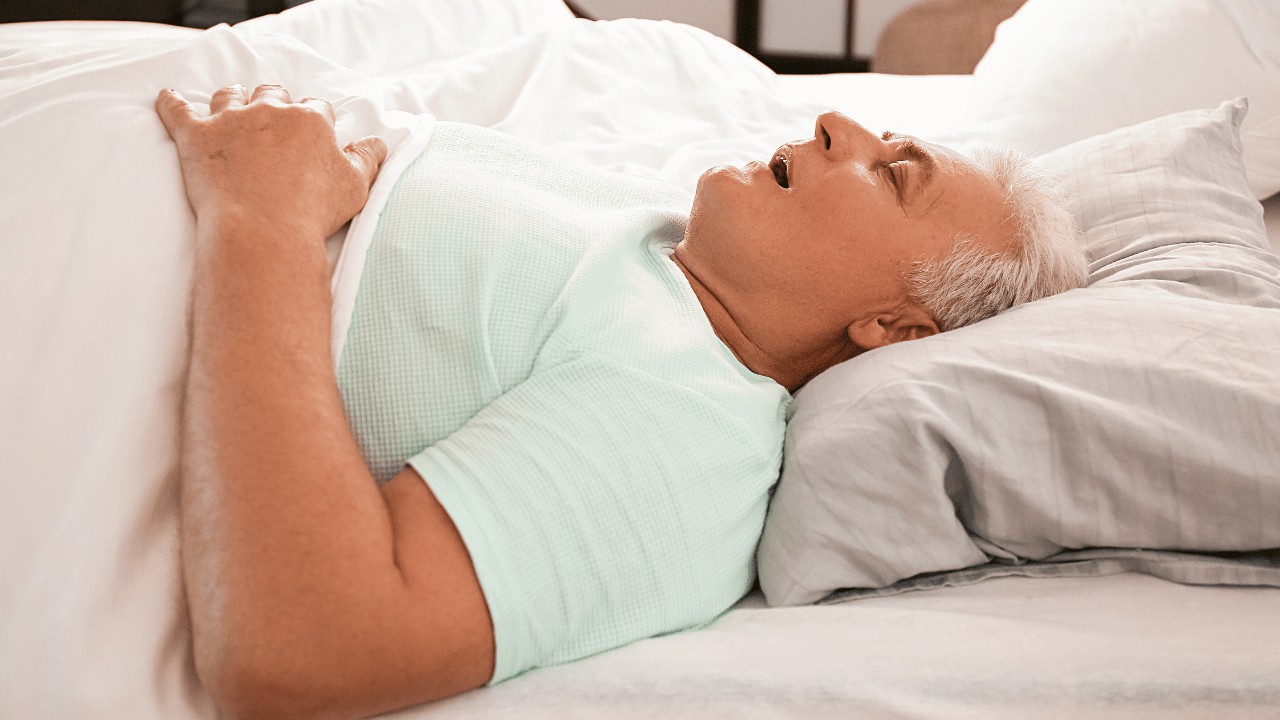
You could be suffering from sleep apnea if you often wake up in the middle of your sleep feeling like someone is trying to suffocate you. This sleep disorder causes you to snore and gasp for air repeatedly, preventing you from getting quality sleep.

Continuous lack of sufficient sleep leads to other serious problems like insomnia, daytime sleepiness, and prolonged exhaustion. Your productivity at work will suffer greatly if you’re always dozing off while you’re on the clock.

If you have this condition, you most likely want to know how it will impact your life and how you can overcome it. What does sleep apnea sound like? What is the latest treatment for sleep apnea? Is sleep apnea a disability? 

If your work requires your full concentration, constant sleepiness and exhaustion will make it difficult for you to do your job. In this case, you may want to know if you qualify for disability benefits.
 How to Determine If Sleep Apnea Is a Disability

There are several ways to determine if your sleep apnea can classify as a disability, including:


Medical Diagnosis

See a licensed medical doctor for a proper diagnosis. Your doctor will carry out several sleep studies and overnight evaluations of your breathing patterns and other physical behaviors of your body during sleep.

These tests are normally completed at sleep centers or medical facilities that offer sleep apnea testing. Alternatively, they may have you do an at-home study to check for sleep apnea.

That diagnosis with your local medical team is important to understand the severity of apnea events and also find out if you are dealing with any conditions associated with sleep apnea like high blood pressure, abnormal heart rhythms, or other concerns.

Once you know that your breathing patterns are awry at night, it can be helpful to learn how to support easier breathing naturally, in addition to any medical treatments your sleep doctor recommends. Dylan Petkus, MD shares how he did this with a bedtime breathing routine that set him up and others for quieter, more restful sleep in the Sleep Apnea Solution book.


Severity of the Condition
 

The severity of your condition and its impact on your daily life, cognitive function, and ability to work are important factors. Severe sleep apnea that significantly disrupts your normal life and daily activities may be considered a disability.

In this case, you may qualify for disability benefits. However, your condition must fall under the official definition of disability by the Social Security Administration (SSA). Your medical records must indicate that the condition will last for at least a year or likely cause death. 


Records

You need a comprehensive medical record, including test and evaluation results, medical history, and reports from your doctor showing that you suffer from severe sleep apnea.

This record is essential when you want to file for a disability claim. The SSA will use these documents to determine your eligibility.


Legal Definitions
It’s good to be aware of what the law says about sleep apnea and disability claims. For instance, the SSA provides specific procedures and guidelines for what can be considered a disability.

Your sleep apnea disorder may qualify if it meets these conditions and severely prevents you from performing your daily activities effectively.

Workplace Accommodations

Even if your sleep apnea isn’t legally recognized as a disability, the law may require your employer to provide you with a conducive working environment. For instance, the Americans with Disabilities Act (ADA) requires employers to make reasonable accommodations for employees with sleep apnea, especially if it significantly affects their job performance. This is common when sleep apnea is untreated or when medical treatments are ineffective.

In Summary

Every case of sleep apnea is unique, and whether your diagnosis qualifies as a disability depends on the circumstances and applicable laws in your region.

Either way, there’s value in supporting easier breathing and sleeping naturally to complement other efforts. Dylan Petkus, MD’s Sleep Apnea Solution book covers the most important factors he’s used to overcome his own sleep apnea and help others achieve deeper, more restful sleep!

Read More

How to Cure Sleep Apnea Naturally at Home Without a CPAP

How to Cure Sleep Apnea Naturally at Home Without a CPAP

CPAP (continuous positive airway pressure) machines are commonly used to manage the symptoms of sleep apnea. They work by helping to keep your airways open, with the aim of improving sleep quality and reducing the risks of serious secondary conditions.

However, many people do not tolerate using a CPAP for a variety of reasons, and others have challenges even if they do tolerate the machine. The issue for many is that a CPAP can be awkward to use, create a claustrophobic sensation, be difficult to use when traveling, or cause personal issues, where sleeping with a mask is less than ideal, or partners find the ongoing noise disruptive.

For these reasons, many want to learn how to support easier breathing through certain breathing techniques. These exercises can be incorporated into a regular evening routine to help support more restful sleep. Finding the best sleep apnea solution for you is important, whether that includes a combination of a mask or device at night, along with natural methods to encourage deeper and quieter sleep.


Common Reasons for Looking at Alternatives to Promote Healthy Sleep Without a CPAP

CPAP machines are a conventional way to try and reduce the symptoms of sleep apnea, but they can produce unwanted side effects, in addition to being uncomfortable to use. These can include:

  • Nosebleeds
  • Congestion
  • A runny nose
  • Dry mouth
  • Skin irritation

Adding a heated humidifier is sometimes thought to help. However, with an ever-increasing number of machines and devices creating distracting noises, this could further disrupt your sleep pattern or cause inconvenience to your loved one or spouse.

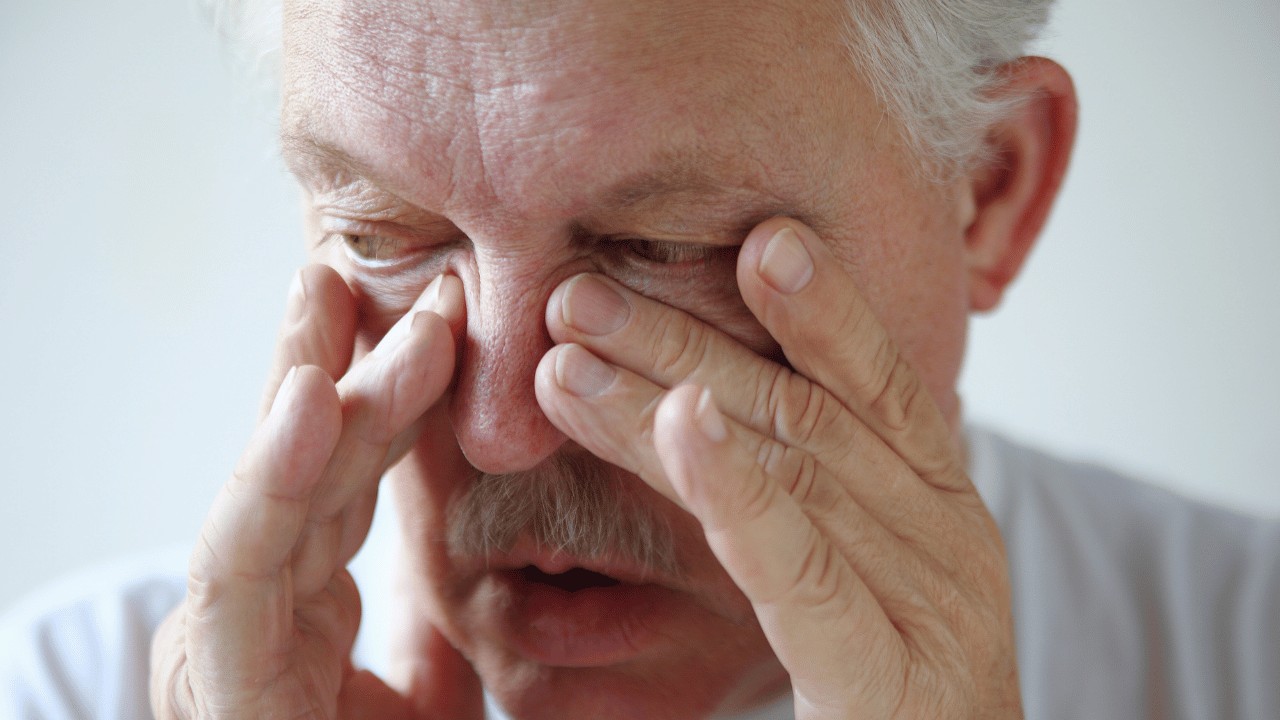
Some people also find that a CPAP is ineffective, commonly because they have a deviated septum or other irregularity in their nose, which means they breathe through their mouth. Others, find that even with the CPAP their sleep is not rejuvenating at night and they still feel foggy-headed and tired the next day.

What is the newest treatment for sleep apnea, and can you avoid using a CPAP? Innovations in sleep apnea approaches increasingly mean that dependence on a CPAP is not the only option – at least not necessarily forever.


Learning Breathing Techniques as a Sleep Apnea Approach

Part of the complexity of using a CPAP for sleep apnea is that, although the device may help maintain open airways, it is not a resolution, nor does it fix the underlying issue. In the end, patients are still reliant on a machine. Plus, there are many who don’t tolerate the CPAP from the beginning. Clinical trials have shown that a third of people fail an initial CPAP trial. Likewise, surgical procedures intended to help improve the symptoms of sleep apnea have been shown to be fully successful just 43% of the time, leading many people to be reluctant to undergo surgery with a less-than-guaranteed outcome.

This doesn’t mean that the CPAP or surgery can’t be helpful. It just means that they have limitations. So it makes sense to work on supporting easier breathing at night from multiple approaches. Dylan Petkus, MD helps people learn how to train their breathing so it’s slower, more controlled, and is less likely to close off the airway at night. Many people find this helpful because, on the contrary, faster breathing patterns suck the tongue into the airway, creating a blockage. This can be more likely to happen to people with a narrow airway.

Unlike a mouthguard, tape, CPAP, or sleep apnea pillow, following a breathing routine can train the muscles to breathe more slowly without discomfort, noise, or intrusions.


Finding the Best Ways to Address or Reduce the Impacts of Sleep Apnea

Is sleep apnea a disability? The Social Security Administration does not list sleep apnea as a disability, although some more serious breathing disorders linked to or caused by sleep apnea may fall under the criteria. Accessing natural, noninvasive, nonsurgical breathing techniques can help support restful sleep, complement your other therapies, like a CPAP if you are already using one, and allow you to have more relaxing sleep and wake up more energized.

Dylan Petkus, MD shares his and others’ experiences using natural methods to support sleep in his book, Sleep Apnea Solution, which covers the top breathing techniques and how to set yourself up for easier breathing at night!

Read More

What Is the Newest Treatment for Sleep Apnea?

What Is the Newest Treatment for Sleep Apnea?

Every conventional solution to sleep apnea has pros and cons, with variable success rates or options that are suited only to some people. The latest innovation, as outlined in Dylan Petkus, MD’s book, Sleep Apnea Solution, is to access proven, research-backed breathing exercises and routines that teach you how to activate slower, calmer breathing throughout the night.

Dylan covers his experience with the underlying factors that trigger abnormal breathing patterns at night and frequent sleep disturbances. He shares his top nutritional, sleep environment, and breathing routines that allow people to fall asleep calmer and wake up feeling more refreshed.

Many people are looking for how to cure sleep apnea naturally at home without CPAP machines or other surgical interventions. Whether they don’t tolerate a CPAP or are looking to support sleep and breathing in other ways, too. Natural, noninvasive, and holistic strategies can often be affordable, convenient, and comfortable. That said, it’s always valuable to talk with your medical provider before making changes to your behaviours or health routine.
 

Conventional Options to Reduce the Symptoms of Sleep Apnea

Sleep apnea is a prevalent condition, and some practitioners will suggest that lifestyle changes, like reducing alcohol intake, rebalancing your diet, and trying to lose weight, may help. The reality is that although these health-focused efforts may have positive impacts, they might not deliver the results you want. Many people find opportunities to support their breathing and sleep beyond traditional lifestyle recommendations, which complement their medical treatments.

We’ll start by recapping commonly recommended devices, surgeries, and treatments to ensure you have a full understanding of your options.


CPAP Machines

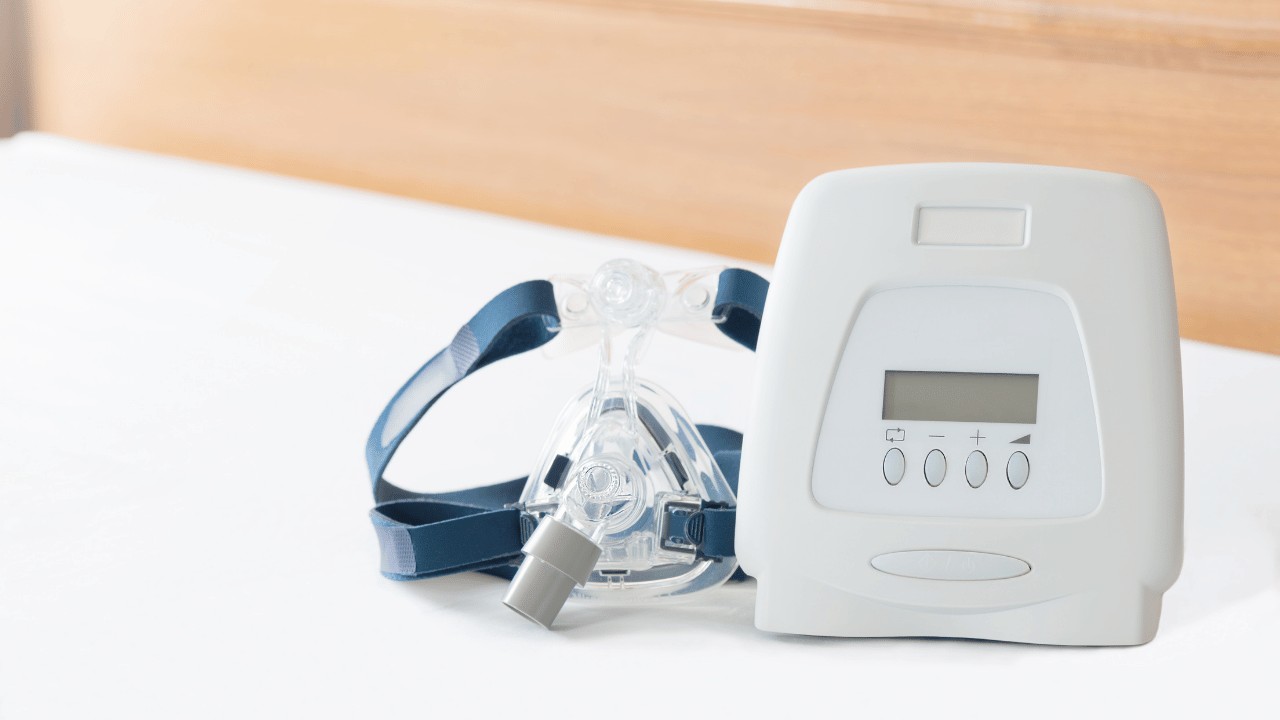
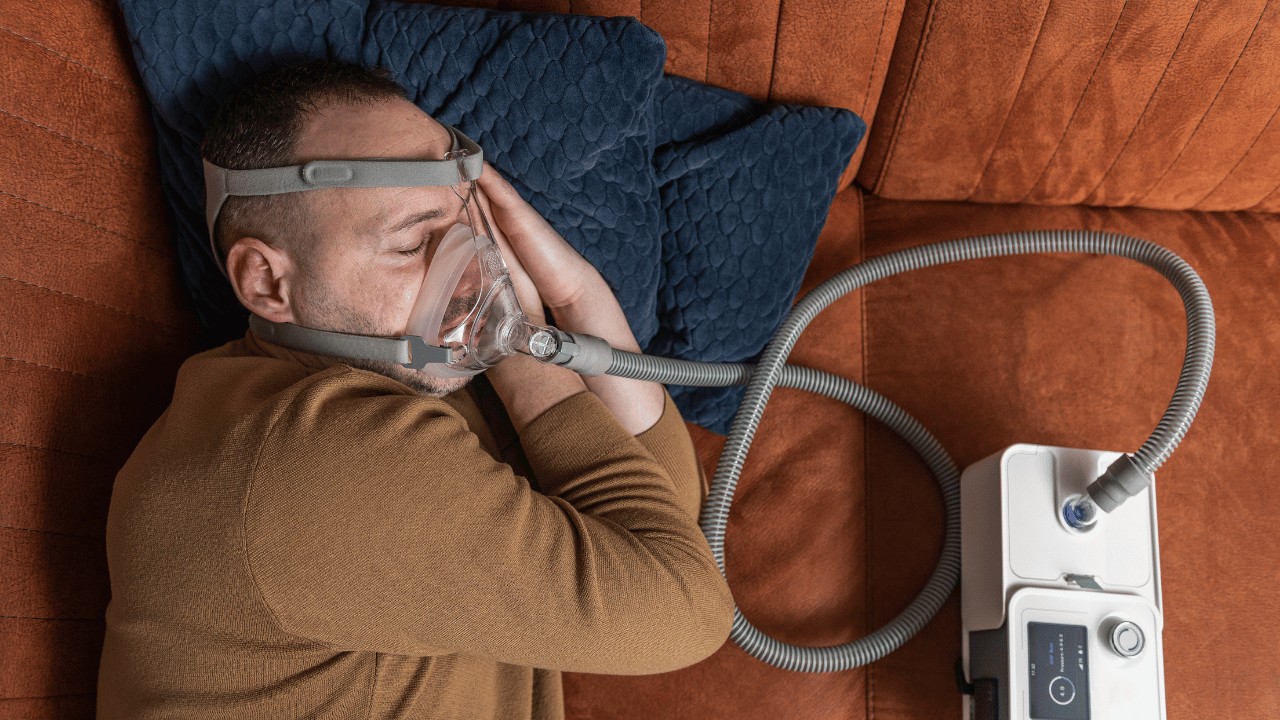
CPAP machines are worn with a mask that covers your nose and mouth during sleep, pumping air into the mask. Each device comes with:

  • Straps that hold the mask in place
  • A tube connecting to the machine
  • An air filter

The mask and tube should be replaced and cleaned regularly. You should also take the device with you when traveling and use it during any periods of sleep, including naps. One of the downsides of a CPAP is discomfort, alongside the disruption of having a motor functioning throughout the night. CPAPs may not be suited to some people, including those with a deviated septum.

Can a deviated septum cause sleep apnea? No–a deviated septum cannot solely cause obstructive sleep apnea. It may make nasal breathing more challenging and lead to upper airway resistance syndrome (UARS) or worsen breathing patterns at night.

A deviated septum may also make using a CPAP machine challenging, as certain masks are less appropriate for people who breathe primarily through their mouths. Typically, a full face mask is necessary when the nasal breathing is limited ,and someone relies on mouth breathing.

Inspire Surgery For Sleep Apnea

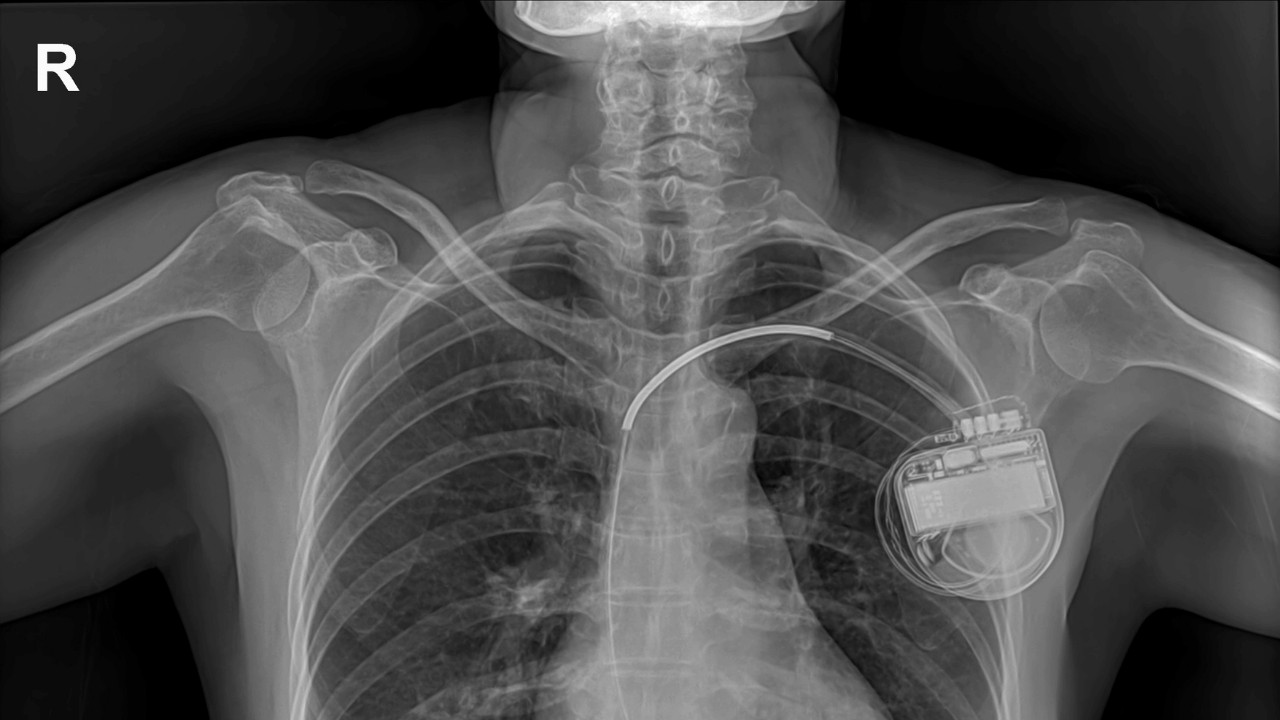
Inspire Therapy is gaining attention as a new treatment option for sleep apnea. This method involves an electronic device implanted in the chest, with a wire running through the neck to the throat muscles. 

After a healing period of one to two months, the device is activated to stimulate the airway muscles at night. However, this process requires working closely with a surgical team to fine-tune the electrostimulation over three to twelve months.

While Inspire Therapy may seem convenient, it involves periodic surgical revisions and the risk of being woken up by the electrostimulation, making the path to better sleep a long and complicated journey after a seemingly simple surgery.

Despite its promotion, Inspire Therapy’s effectiveness is debated. Research and patient feedback highlight that only about half of users respond favorably, with many experiencing complications or needing further adjustments. Perhaps some of these failures in effectiveness are because other aspects to support more restful sleep are ignored with the anatomy-only approach.

Not to mention that,  despite “successes,” selective reporting can be misleading, showcasing a 60% improvement by excluding non-responders, whereas the actual improvement rate is around 30%. It’s crucial to look beyond the marketing and understand these nuances to make informed decisions about sleep apnea treatments, prioritizing lower risks and fewer side effects.

In the end, whichever combination of therapies you choose, it’s important to talk with your doctor about the potential benefits and issues specific to your situation.

Gum Shields or Mouthguards

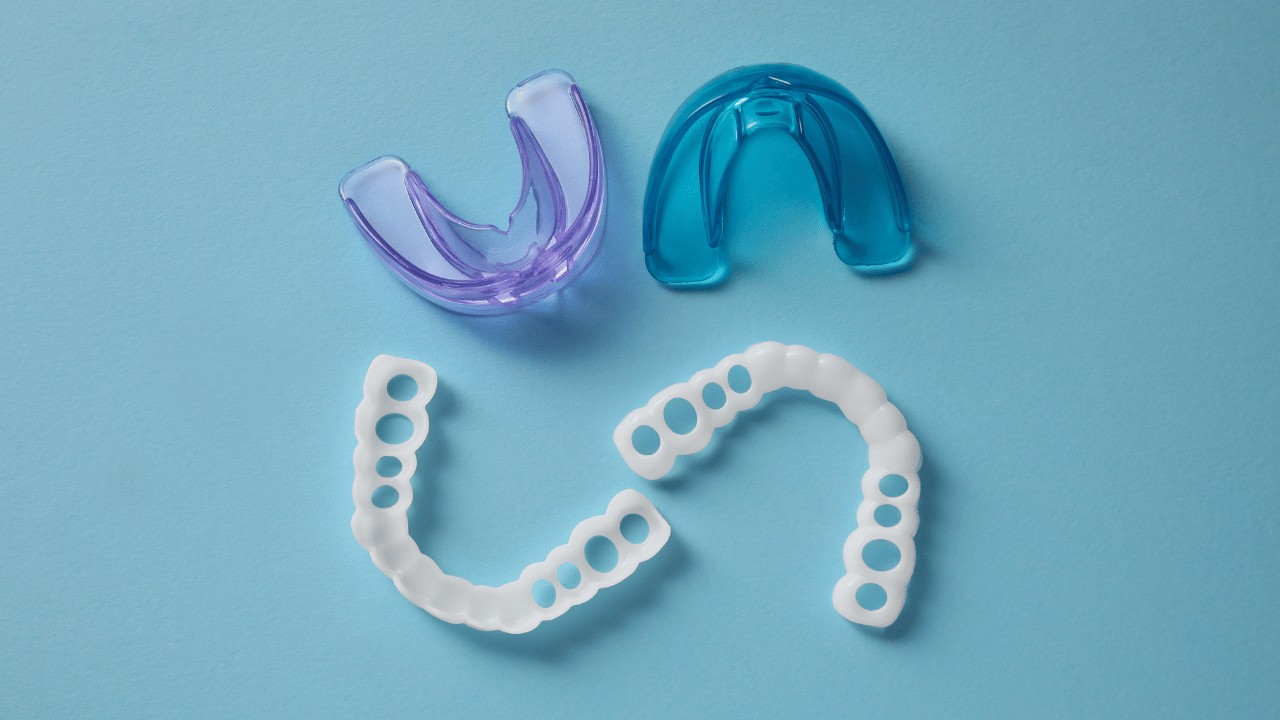
Mandibular advancement devices (MAD), or ‘sleep apnea gum shields,’ are sometimes used to hold the airway open during sleep. Most mouthguards must be custom-made to fit and can either:

  • Cover both your upper and lower teeth to stop the jaw from blocking the airway
  • Retain your tongue, holding it forward to stop it from falling back

The obvious drawback is that many find mouthguards uncomfortable, and the sensation of having your jaw or tongue held in place can make it harder to relax and sleep. Some people have unwanted shifts in their teeth that may require additional correction later.

In some cases, MAD can serve a purpose for a period of time. In our experience, at some point many people find they need additional strategies to manage their sleep apnea and address their decline in sleep quality.


Sleep Apnea Surgery

Surgeries are sometimes used when there is a notable airway blockage, such as large tonsils, a deviated septum, or enlarged nasal turbinates. A surgical team might also use a procedure called uvulopalatopharyngoplasty, where the surgeon widens the airway by removing tissue.

Other surgeries, like hypoglossal nerve stimulation, involve implanting a device that stimulates nerves during each breathing cycle. Surgical interventions often require an overnight hospital stay since they are performed under general anesthetic, with varying recovery times and risk factors to consider. Speak with your doctor if you’re interested in learning more about what might be appropriate for you.


Learn More About the Sleep Apnea Solution to Support Easier Breathing 

If you’re looking for the newest sleep apnea approach, have tried other options that haven’t worked, or want to complement any other therapies, it’s worth checking out Dylan Petkus, MD’s Sleep Apnea Solution book.

He shares the exact breathing routines that have allowed him and many others to breathe easier, sleep deeper, and wake up feeling more refreshed.

Read More

Can a Deviated Septum Cause Sleep Apnea?

Can a Deviated Septum Cause Sleep Apnea?

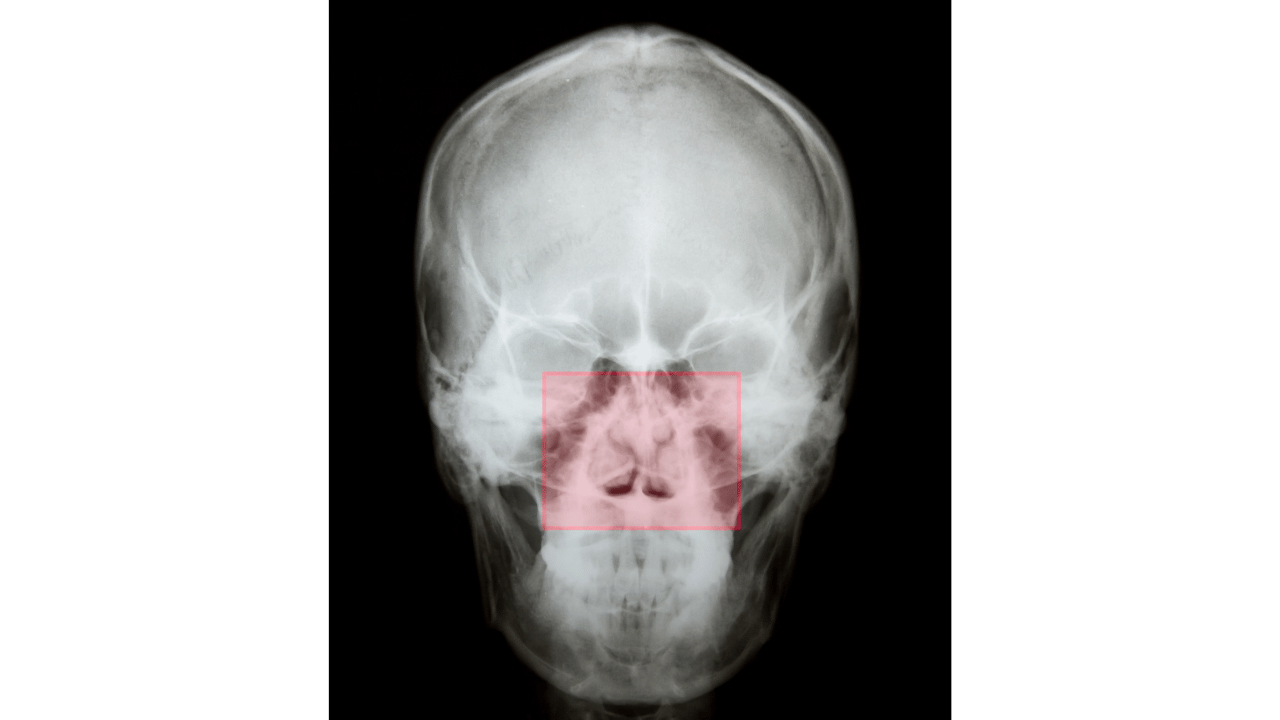
A deviated septum is quite a common issue. Although it doesn’t always pose a problem, if you have sleep apnea, a misalignment in your nose could mean that some conventional breathing devices, including a CPAP, might have limited effects.

However, despite some misinformation, deviated septums do not directly cause sleep apnea, nor is this the sole reason you might develop sleep disturbances or issues with breathing. Part of the confusion is that differences in your nasal function can make a CPAP with a nasal mask is less suitable, and that a full face mask might be more appropriate. Researchers have found that a deviated septum might need to be treated before a CPAP would be recommended. 

However, if the problem is bad enough, a narrow nasal passageway can cause your body to breathe faster at night to compensate. As a result, this will pull the walls of your airway and tongue together, blocking off the airway. 

The peer-reviewed author of Sleep Apnea Solution, Dylan Petkus, MD, shares how he overcame sleep apnea and tips and exercises to promote easier nighttime breathing.

How Does a Deviated Septum Impact Sleep Apnea Symptoms?

Many people want to know how to reduce sleep apnea without reliance on surgical or medical interventions or wish to avoid the long-term usage of a CPAP. Although CPAP masks are widely used, they aren’t effective or comfortable for everybody, and may be unsuitable for some people due to:

  • Complications with natural breathing functions
  • Unwanted side effects
  • Ineffectiveness due to the structure of the person’s airway or nose

Most of the time, a deviated septum is something you are born with, although injuries to your nose, often due to sports or other accidents, can mean that the bone and cartilage within your nose are uneven on each side.

It is important to note that a deviated septum is not the sole contributor to sleep apnea. Instead, an obstruction already exists in the passage to your upper airway, and although sleep apnea may be more evident, the deviated septum is not the cause. This is easier to understand if you think about someone who is born with a deviation but does not develop sleep apnea until later.


What Can I Do to Help Overcome Sleep Apnea if I Have a Deviated Septum?

Having a deviated septum can mean that the speed and pace at which you breathe to compensate for a narrow or obstructed airway are more exaggerated. This can leave you short of breath and physically tired, and prompt your airway muscles to close even tighter. This makes it important to retrain muscles and breathing patterns to support controlled breathing.

Why Shouldn’t I Use a CPAP for Sleep Apnea With a Deviated Septum?

The primary concern with using CPAP devices is that if you have a deviated septum, you are likely to breathe through your mouth, not your nose. Existing blockages in the nasal passages often trigger this type of breathing, which makes it easier to get a full breath, but also means a CPAP may be less effective. So speak with your doctor about the best medical treatments for you.

To complement your medical treatment plan, people find it helpful to learn natural methods to support easier breathing during the day and night, even if you have a deviated septum. Some people find surgery to correct nasal passages helpful, but may still experience disordered breathing at night. Others have multiple surgeries and still struggle with nasal breathing.

If you want to learn how breathing techniques can support nasal breathing and more restful sleep, check out Dylan Petkus, MD’s Sleep Apnea Solution to learn the exact bedtime routines that helped him and many others achieve easier breathing.

What is the newest treatment for sleep apnea? Some of the latest approaches involve surgical implants, although it is wise to exercise caution with any ‘new’ service or intervention and to seek independent guidance from your physician to make sure it’s appropriate for you.

Read More

How to Reduce Sleep Apnea

How to Reduce Sleep Apnea

There are many opportunities to support easier breathing and sleep with sleep apnea. The two main categories that can allow for better rest are: natural, noninvasive techniques and medical interventions.

In considering your options, make sure you are clear on your objectives to help make the best decisions for you while including your medical team that diagnosed the sleep apnea in the treatment plan decision process.

If you’re looking for natural ways to support breathing and that can complement medical treatment plans, Dylan Petkus, MD shares the top breathing routine and sleep tips that have helped him and others in his book, Sleep Apnea Solution.  to allow for calmer and deeper sleep.

The Main Causes of Sleep Apnea: Frequently Asked Questions

Sleep apnea affects as many as 34% of men and 17% of women–but it is also often misunderstood. Below, we’ve myth-busted some common misconceptions.

  • Is there a cure for sleep apnea? No; some physicians suggest surgery, muscle relaxants, and other interventions, but as yet, no one cure will be appropriate for all.
  • Can losing weight cure sleep apnea? No; if weight is a factor that increases pressure on your airway, losing weight may help lower your symptoms. However, weight loss alone cannot definitively cure sleep apnea.
  • Can a deviated septum cause sleep apnea? No; a deviated septum, where your nasal cavities are different sizes or have blockages caused by bone or cartilage, cannot cause sleep apnea to develop. This might, though, influence the options that are suitable for you.

The common thread with all these answers is a ‘no’ because sleep apnea can be complex, person-specific, and linked to hundreds of potential contributing factors or causes. There is no universal cure or solution, which is why activating healthier breathing is such a breakthrough. This can help shift breathing and help to augment sleep and rest patterns without medications, clumsy devices, or uncomfortable masks and mouthguards.


What Is the Advantage of a Natural Way to Help Overcome Sleep Apnea?

It is impossible to overstate the impact sleep apnea can have on your life, where you wake up every day feeling tired, foggy, and stressed, experience ongoing fatigue and low energy levels, are concerned about your weight or heart health, or find yourself struggling with devices and masks. Natural breathing routines can promote better nighttime breathing with or without any machines, medications, or surgeries, with a number of clear benefits:

  • Low to no risk of side effects or reactions
  • The peace of sleeping easier with or without a mask, mouthguard, or device
  • No inconvenience, discomfort, or awkwardness for you or your partner
  • No downtime following surgery or treatment

Dylan Petkus, MD has helped thousands learn breathing routines and other natural methods that allow for more restful sleep in his Sleep Apnea Solution book. It is packed with research-backed resources, including a Sleep Apnea Assessment, follow-along audio tracks, and cheat sheets to make it easy to improve your sleep environment, nutrition, and circadian rhythms. Wherever you are in your sleep apnea journey, it provides easy ways to improve sleep!

Read More

Can Losing Weight Cure Sleep Apnea?

Can Losing Weight Cure Sleep Apnea?

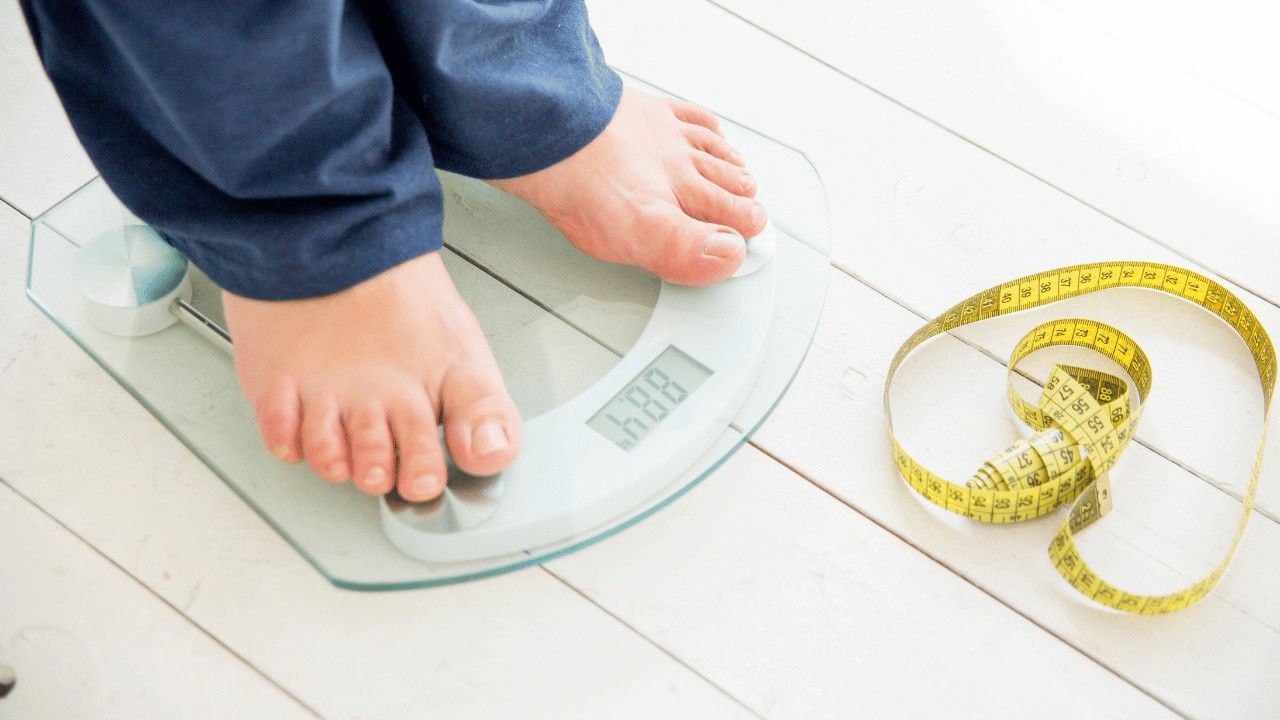
We recognize that myths and misconceptions about ‘cures’ for sleep apnea can be appealing, confusing, and potentially a bit misleading. Although healthy, sustained weight loss can help boost natural breathing and is considered an effective way to reduce the severity of symptoms, the reality is that weight loss alone is not a standalone cure. In fact, research has shown that every twenty pounds of weight loss is associated with only a 10% reduction in sleep apnea severity. So the effectiveness of weight loss as a strategy depends on how much weight you have to lose and how easily your body allows for weight loss.

The best solution for sleep apnea often starts with supporting easier breathing and sleep through natural methods like a bedtime breathing routine. Today, we’ll look at how to reduce sleep apnea and the part that weight plays, and share some insights to clarify the connections between diet, lifestyle, and sleep.


Sleep Apnea and Weight Loss: The Facts

Let’s start by noting that there are three main types of sleep apnea, and the value of maintaining a healthy weight is mainly applicable to obstructive sleep apnea; this is also the most common type.

During the night, the air flowing into your lungs is restricted, which can be exacerbated if the weight of your neck compresses the airway. Therefore, if you are carrying some extra weight along and would benefit from a more healthy, active lifestyle, safe weight loss could support your efforts. However, there are caveats–as always!

  • Weight loss isn’t guaranteed to reduce your sleep apnea; it could help, but it isn’t a definitive solution.
  • The impacts of weight loss may differ depending on your age and gender, with most studies conducted only with male participants.
  • Losing weight isn’t easy or quick. General positive lifestyle changes are a good thing. Still, it’s also essential to consult your practitioner or physician if you have other underlying health concerns–rapid, unstained weight loss can carry risks.

We often speak with people looking for relief from sleep apnea who want natural, non-surgical options. One of the best places to start is Dylan Petkus, MD’s Sleep Apnea Solution book, because just starting with the breathing routine in there can help people experience calmer, deeper sleep.

Why Is Weight Loss Often Recommended for Sleep Apnea Sufferers?

Losing weight could mean that:

  • The pressure within your airway reduces
  • The density of your neck and tongue lower
  • The muscles lining your airways grow stronger

It’s worth reiterating that weight loss isn’t a cure, but if your sleep apnea is linked to weight and fatty deposits, healthy weight loss may help reduce hormonal fluctuations and ease your symptoms.

Weight-loss relies on the assumption that weight will come off and stay off. This can be challenging for people who don’t sleep well because their metabolism is slower, inflammation is higher, and energy is lower. Aside from those challenges, often, even after losing weight, sleep apnea is unlikely to disappear if the underlying cause remains.

So, no matter your intentions regarding your weight, it’s still important to support better breathing and sleep patterns that can allow you to rest calmly and sleep deeply.

Is Sleep Apnea Associated With Weight Gain?

We know that insufficient sleep is linked with higher instances of obesity, reduced fat loss even in a calorie deficit, and overeating, making it important to support easier nighttime breathing alongside efforts to modify your diet.

Can sleep apnea cause weight gain? Potentially, it can. If you’re fatigued, badly rested, and experiencing brain fog, there’s a pretty good chance you’ll try to combat those feelings with snacking or find that your appetite increases as a side effect of disrupted sleep. We also know that a single poor night of sleep can affect blood sugar and other metabolic markers in labs.

So, shifting your health and lifestyle, becoming more active, and eating a higher-protein diet can undoubtedly be helpful, but the biggest benefits can come from a holistic approach. Dylan Petkus, MD’s Sleep Apnea Solution book includes the top principles he and others have found helpful, including creating your best sleep environment, resetting your nervous system, and the bedtime breathing routine that can enhance natural sleep without medical or surgical interventions.

Read More

Can Sleep Apnea Cause Weight Gain?

Can Sleep Apnea Cause Weight Gain?

Restless nights and loud snoring brought on by sleep apnea can result in unwanted side effects. For one, when you sleep less, you are often prone to gaining weight. The more weight you carry, the worse your sleep apnea condition may become. 

If you’re searching for a solution for sleep apnea, look no further. In this article, we’ll break down the connection between sleep apnea and weight gain and provide some healthy lifestyle choices to consider when trying to overcome your sleep disorder.

Sleep Apnea and Weight Gain

At a time when you’re already struggling to breathe correctly, being overweight can further restrict your airways due to a buildup of fat. This can worsen your sleep apnea.

According to Healthline, gaining weight is likely when dealing with sleep apnea. The disorder can significantly impact daily functioning and hormone levels. 

We know you have lots of questions. Can losing weight cure sleep apnea? How does sleep apnea impact your weight? Here are a few ways a sleep disorder can impact your weight:

  • You may find yourself hungrier for longer.
  • Less sleep means less energy for exercise.
  • Your hormones may be out of whack.
  • You may develop a slower metabolism and find it harder to burn calories.
  • Higher levels of stress and cortisol can influence weight gain.

Can sleep apnea cause high blood pressure? Yes–medical experts at Mayo Clinic claim that constant interruptions to nighttime rest can cause your oxygen levels to drop, and this can contribute to higher-than-normal blood pressure. You may find that your blood pressure rises more often at night, which can also be common for those with sleep apnea. 

Another study found that a single night of moderate sleep restriction leads to increased hunger and food intake the next day. This does not make it easy for people who have nightly sleep challenges that make losing weight seem impossible.

How Weight Loss Can Help

While it may not completely cure your sleep apnea, losing weight can certainly help your sleep apnea and overall health. Its success varies depending on each person’s underlying health and the severity and type of sleep apnea. 

If losing weight is something you’d like to try, the American Thoracic Society suggests that losing as little as 5% to 10% of your body weight can help with sleep apnea. Eating a balanced diet, getting regular exercise, and limiting your alcohol or tobacco use are also important to consider. Of course, before you begin a weight loss program, it’s always a good idea to discuss options you’d like to pursue with your doctor first.

Catching Your Breath (The Natural Way)

Dylan Petkus, MD struggled with obstructive sleep apnea, and with the right breathing and sleep routine, he’s now sleep apnea-free and waking up refreshed. His success is based on a process he details in his book, Sleep Apnea Solution, where he covers the bedtime breathing routine that helped him and many others sleep and breathe more easily at night.

Read More

Can Sleep Apnea Cause High Blood Pressure?

Can Sleep Apnea Cause High Blood Pressure?

According to the Mayo Clinic, having obstructive sleep apnea (OSA) can raise your risk of high blood pressure due to the sudden drops in blood oxygen levels that happen as a result of OSA. Sleep apnea can also have a significant impact on your heart. With these potential impacts on your health, it’s time to look at some sleep apnea solutions.

The Link to High Blood Pressure

OSA is common in the United States. An estimated one in four Americans is at risk of developing OSA, according to studies published by the American Heart Association (AHA). Here are a few key findings from the studies:

  • Roughly half of people battling sleep apnea also deal with hypertension. Those with hard-to-treat high blood pressure often have sleep apnea. 
  • The AHA found a link between how severe a person’s sleep apnea is and how their body responds to blood pressure medication. The worse the sleep apnea, the harder it can be to bring blood pressure down.
  • Younger people with sleep apnea may be prone to developing systolic and diastolic hypertension. 

The AHA study also notes that getting less than five hours of sleep a night can seriously increase your chances of developing high blood pressure, especially for those under sixty. Some studies show that just one night of moderate sleep restriction can increase blood pressure. That’s why aiming for consistent sleep quality with seven to eight hours of sleep per night is so critical.

Can sleep apnea cause weight gain, as well? According to Healthline, these two issues have a complex relationship and often coexist. Managing a healthy lifestyle, including eating well, can help reduce the severity of your sleep apnea if you have extra weight to lose, but weight loss isn’t considered a cure.

Natural Approach to Sleep Apnea and High Blood Pressure

Continuous Positive Airway Pressure (CPAP) machines and mouthpieces are among the most common solutions for sleep apnea. What if we told you there are natural approaches you could incorporate to help support easier breathing and sleep?

Practicing sleep apnea self-care, such as breathing techniques, can help keep your airways open at night and improve nitric oxide production. This, in turn, can lead to better night’s rest and support better blood pressure. 

Dylan Petkus, MD struggled with sleep apnea himself and shared what helped him become free of it in the Sleep Apnea Solution book and how others have also been able to have calmer and more restful sleep consistently.

Read More

Pin It on Pinterest