Sleep Apnea Archives | Page 8 of 10 | Optimal Circadian Health

Can Sleep Apnea Cause Anxiety?
Can Sleep Apnea Cause Anxiety?

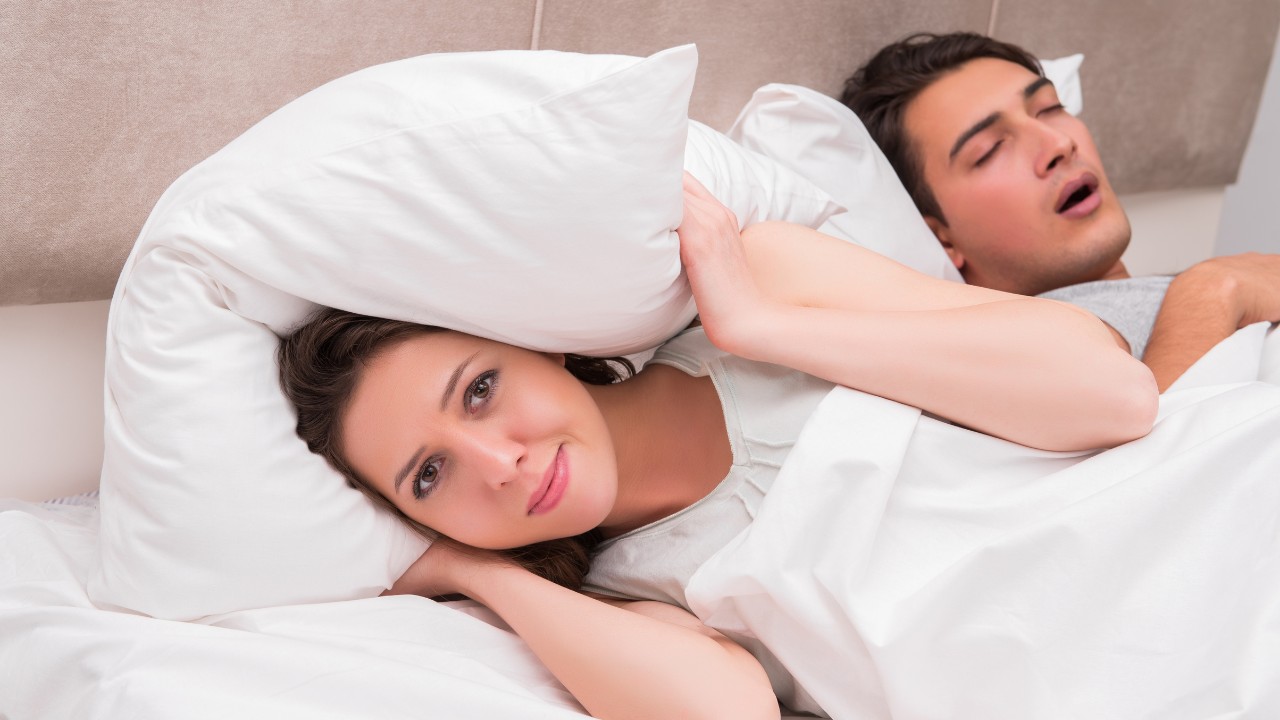
Sleep apnea can cause anxiety, but not all cases of anxiety are due to sleep apnea. The connection between the two disorders can be described through several concepts, including: psychological stress, sleep disruption, and effects on brain function among others.

Sleep apnea causes both physical and psychological effects. For instance, it’ll leave you feeling exhausted, confused, and sleepy during the day and for some anxiety about going to sleep and the many issues that are associated with nighttime breathing.

Some of the common psychological effects of sleep apnea include a lack of concentration, depression, mood swings, and brain fog. One of the major concerns about this sleep disorder is its association with anxiety and panic attacks. 

In this article, we’ll discuss the link between sleep apnea and anxiety and why you should try a new solution to support breathing and sleep at night when you have sleep apnea.

How Is Anxiety Related to Sleep Apnea?

Here are some reasons why sleep apnea could be the reason you’re feeling anxious or experiencing panic attacks:


Stress

Sleep apnea causes recurring incidents of low levels of oxygen and high levels of carbon dioxide in your blood. This triggers stress response processes in your body like the flight-or-fight response (sympathetic nervous system activation), resulting in increased anxiety. 

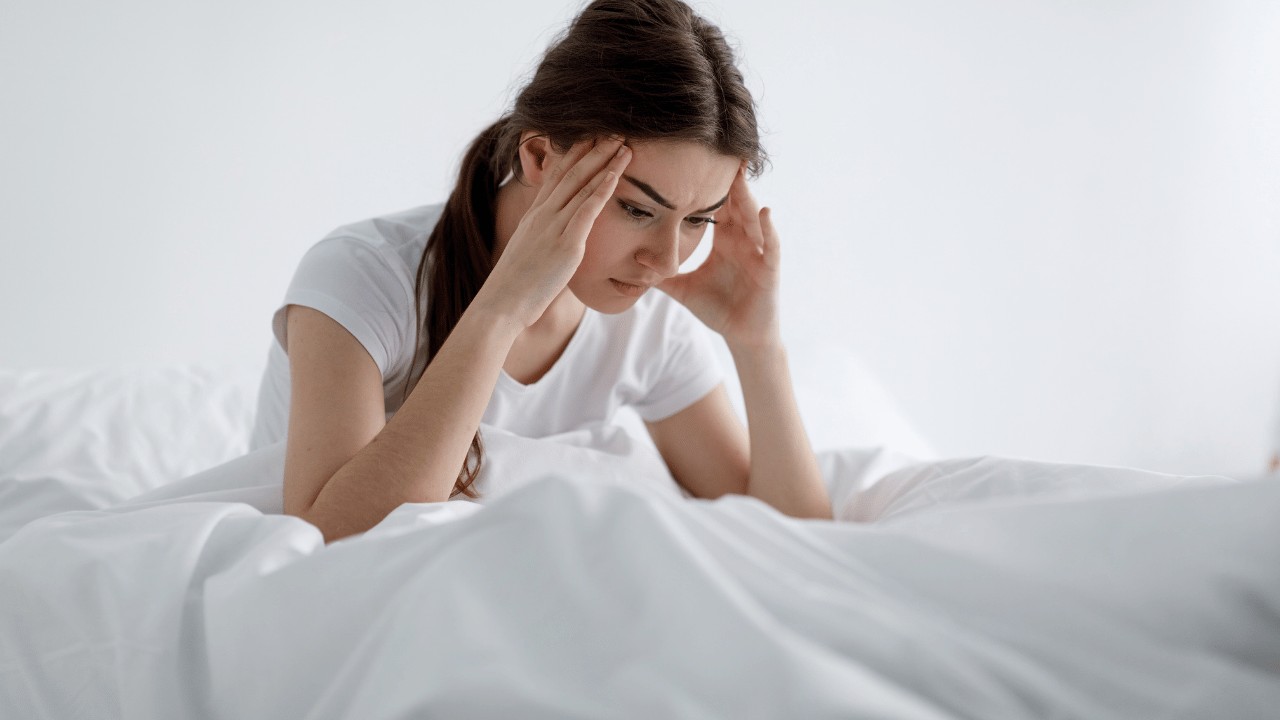
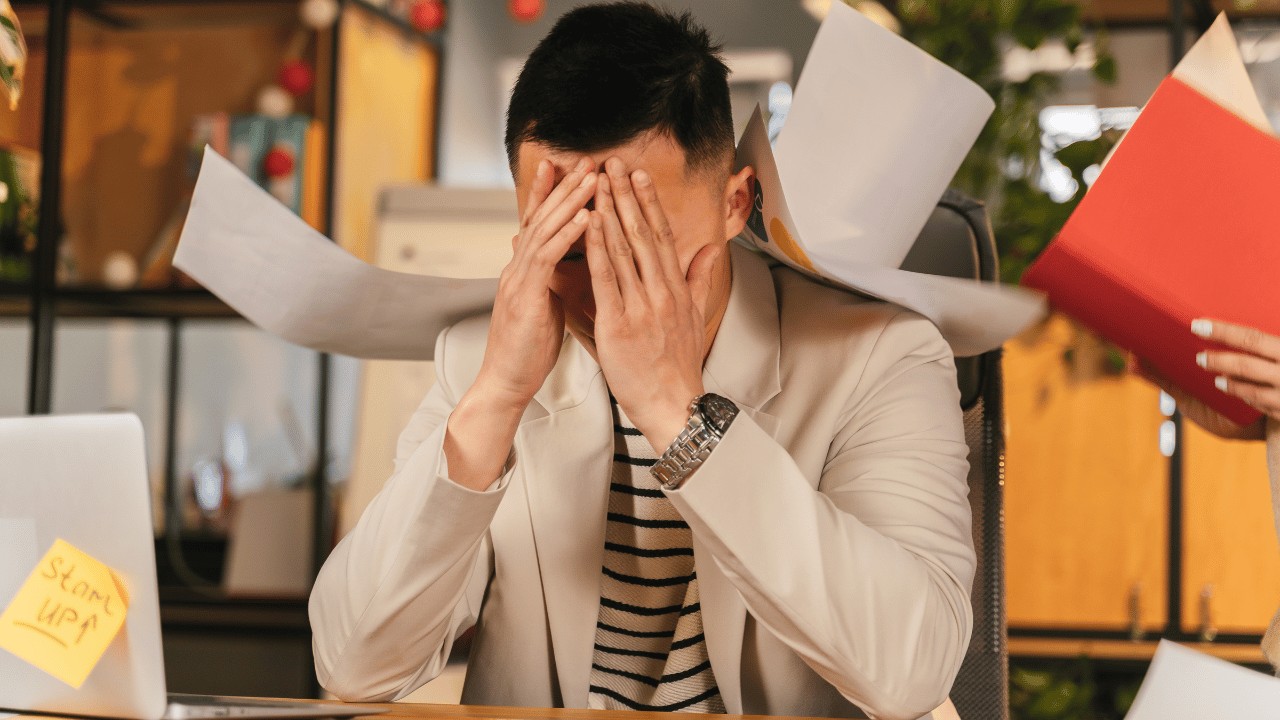
Can sleep apnea cause headaches? Unfortunately, it can. Reduced levels of oxygen in your blood can result in secondary headaches like high-altitude headaches (HAH) and headaches caused by serious mountain sickness. Furthermore, too much CO2 in your blood causes headaches, shortness of breath, and daytime sleepiness. Not to mention that poorer sleep quality due to frequent interruptions can lead to headaches as well.
Disrupted Sleep

Recurrent sleep disruptions caused by less oxygen getting to the brain and other organs lead to poor sleep quality. This can be related to abnormal brain signaling, as in central apnea events, or to airway blockage, as in obstructive apnea events.

Either way, lack of oxygen to vital organs stresses out the body, which is why people often wake up with a rapid heart rate and feeling fear or anxiety. Repeated disruptions can even train the body to be on high alert. These disruptions in oxygen can eventually lead to anxiety and even mood swings. 

You might feel nervous or fearful before you go to bed every night because you’re not sure if you’ll get enough rest. The experience of waking up gasping for air due to airway obstruction can also make you anxious.


Poor Brain Function

Disrupted sleep and oxygen deficiency can negatively impact your cognitive functioning, affecting critical areas of your brain, especially those involved in regulating your moods and processing emotions.

This leaves you more susceptible to anxiety and other psychological issues. In extreme cases, a lack of oxygen in your blood can damage your brain. Signs of brain damage include memory problems, poor concentration, and mood swings. Some people describe effects as brain fog or a foggy brain that tends to fluctuate in severity and depends on how well they sleep the night before.

Related Disorders

Anxiety can cause various sleep problems like difficulty falling asleep, inability to stay asleep, and insomnia. In turn, these sleep disorders will make your anxiety worse, leading to a never-ending cycle of sleep apnea and anxiety. Both types of conditions can aggravate each other.

Other Common Symptoms of Sleep Apnea

There are many misconceptions about sleep apnea‒mainly because it presents the same symptoms as other sleep disorders like insomnia. The best way to distinguish sleep apnea from other sleep disorders is the sounds involved.

So, what does sleep apnea sound like? Here are the most common sounds associated with sleep apnea:

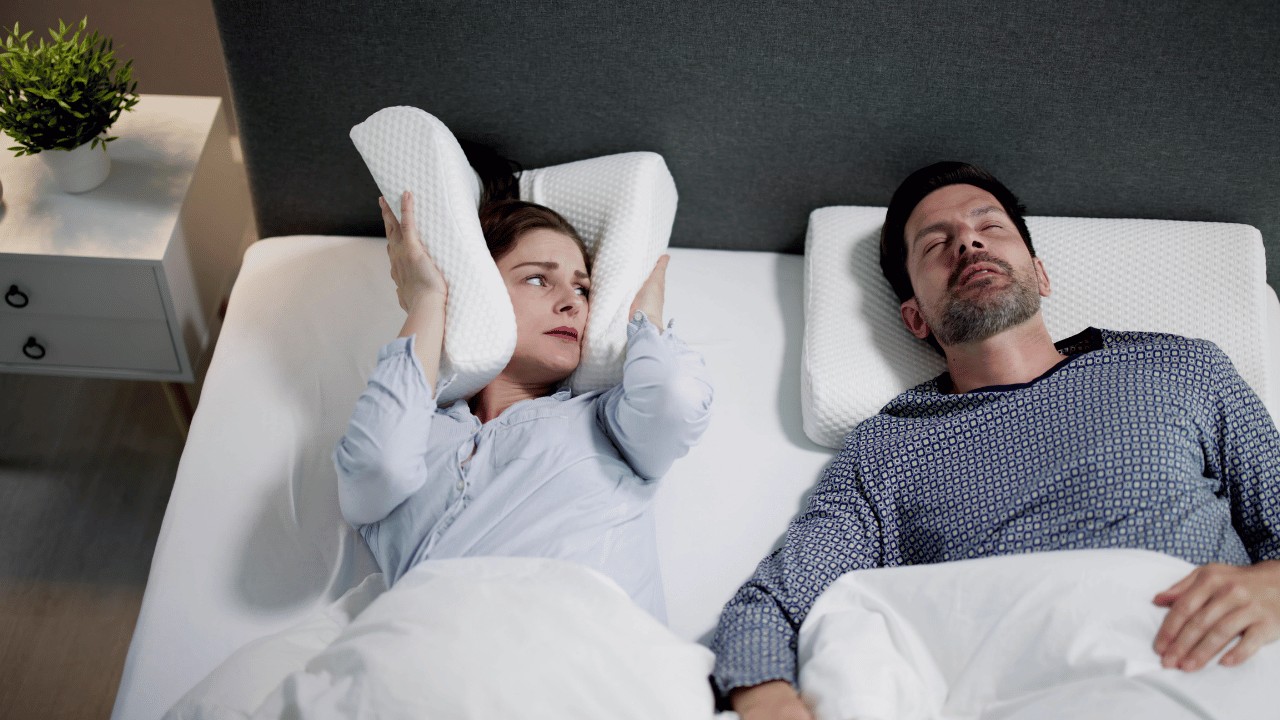
  • Loud snoring: This is a croaky sound or a whistling noise that happens when you attempt to breathe in and out of blocked airways.
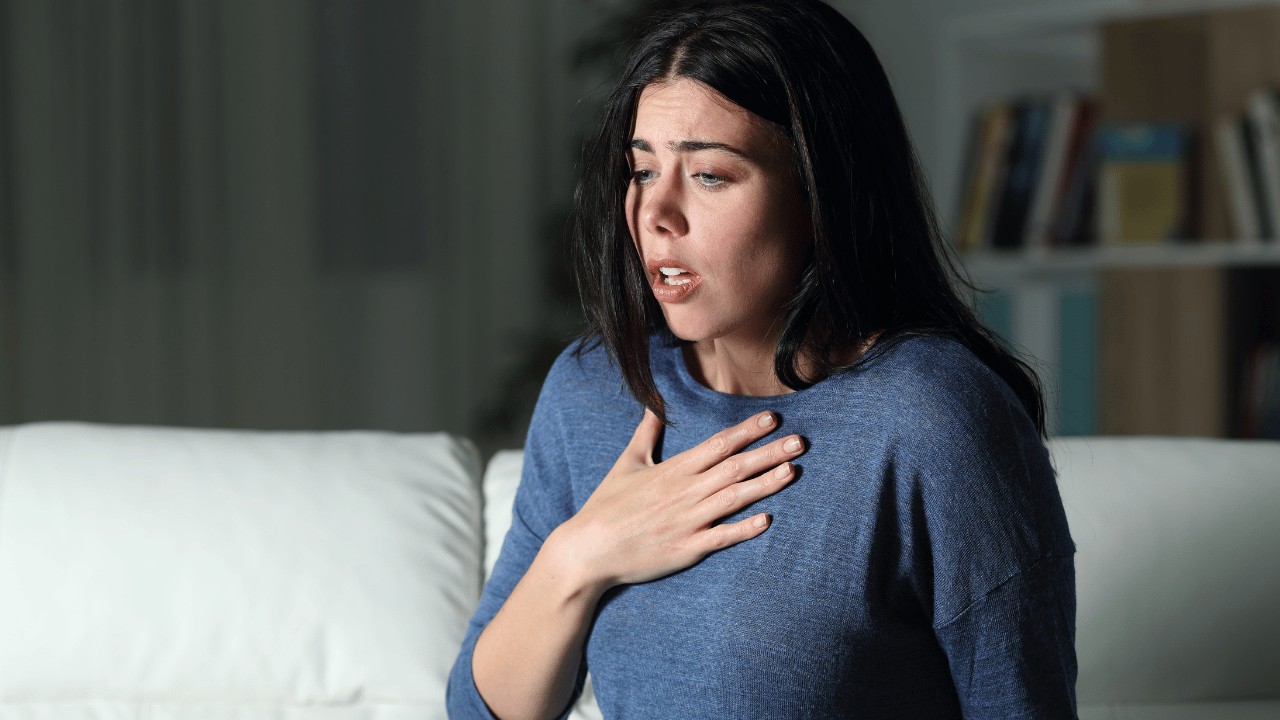
  • Gasping or choking: When your airways are blocked, you’ll wake up gasping for air. This is very startling and a major cause of anxiety as you wake up struggling to breathe. 
  • Snorting: You may snort as you try to open your airway and start breathing again. This occurs frequently when you have sleep apnea.
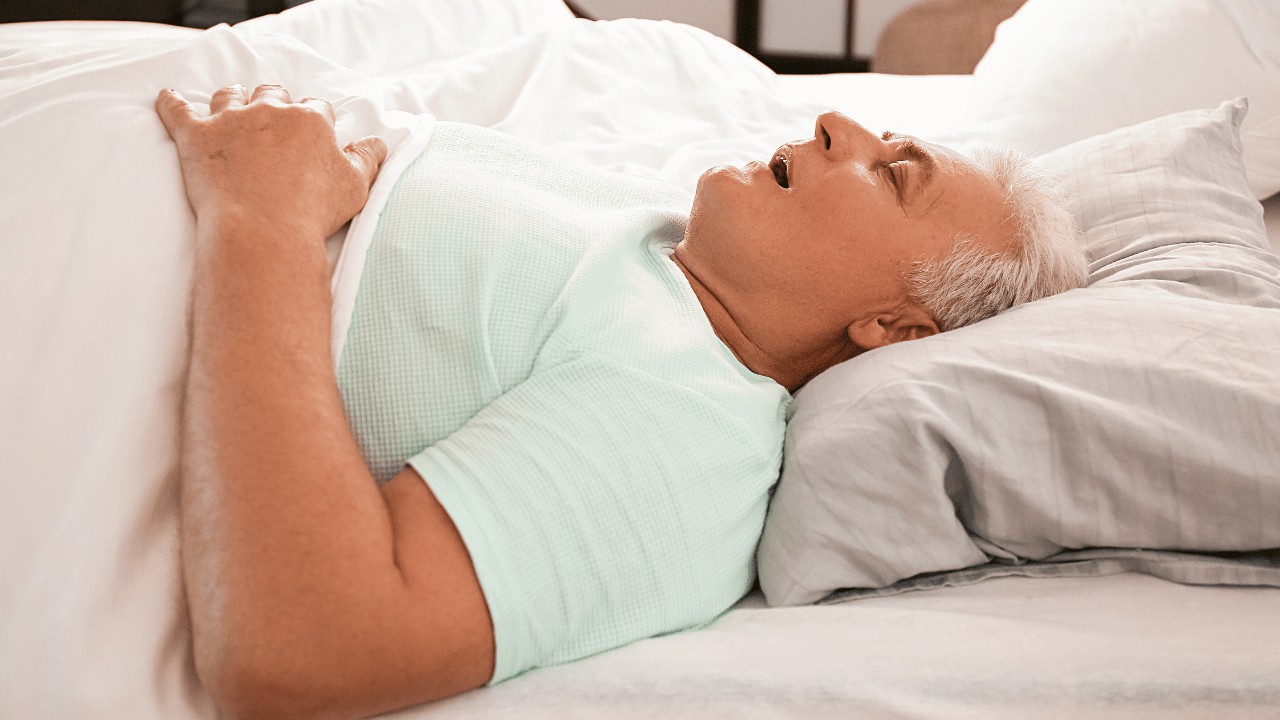
  • Lack of sound: When you don’t have the right signals from your brain to breathe as in central sleep apnea or your airway is completely blocked and no air passes, this can lead to prolonged silence when there’s no breathing.

The Bottom Line

Supporting sleep apnea is a multifaceted process that can involve addressing breathing and sleep in a variety of ways. Most people start with a continuous positive airway pressure (CPAP) machine.

Whether you use a CPAP, there can be incredible benefits to support breathing and sleep naturally. The Sleep Apnea Solution book gets into the breathing routines and other natural methods Dylan Petkus, MD and the people he’s worked with have found to be most effective.
Read More

Is Sleep Apnea Reversible With Weight Loss?

Is Sleep Apnea Reversible With Weight Loss?

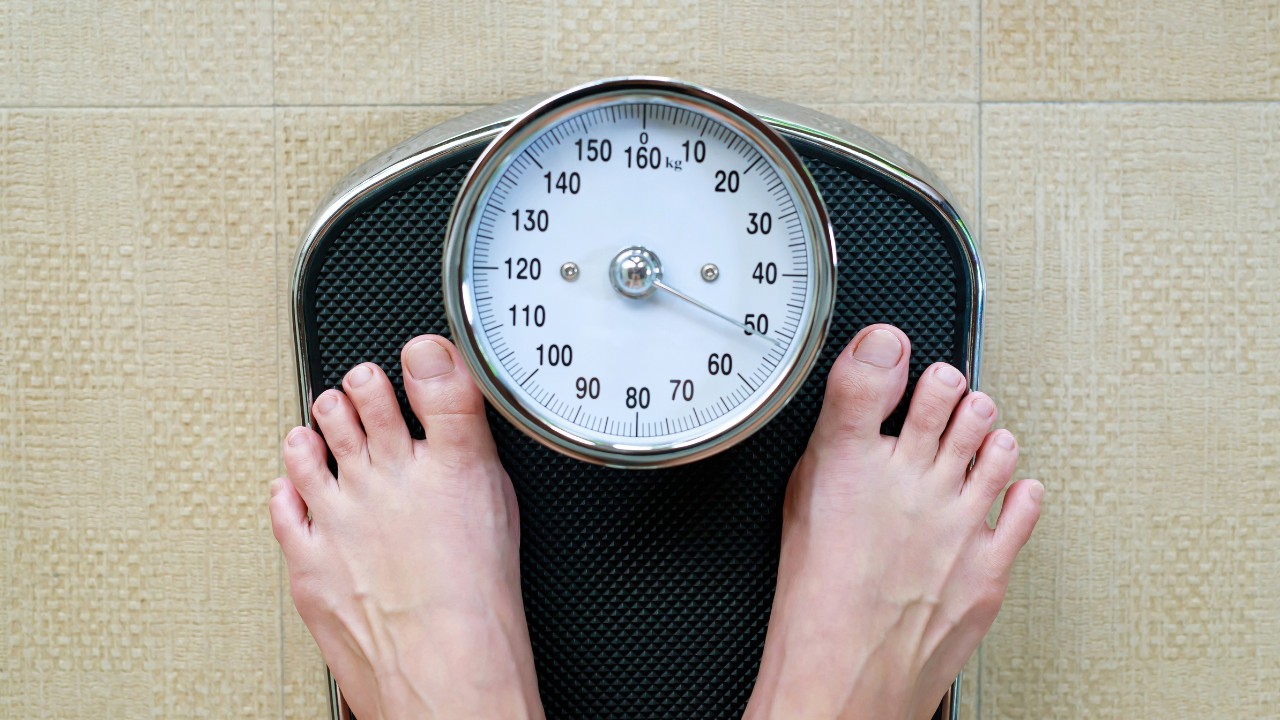
If, like many sleep apnea sufferers, you have read countless sleep apnea books and resources that inform you that you need to lose weight or that weight loss will ‘reverse’ your symptoms or cure the condition, you’re already aware that this isn’t true. Healthy, sustained weight loss can benefit some people with sleep apnea who are overweight as extra weight can add pressure, which further restricts your airways–but it is essential to reiterate that there is no proven cure, nor is dramatic weight loss always advisable.

In this post, we’ll explore the relationship between weight and sleep apnea and clarify how anyone, regardless of weight, can help restore their natural nighttime breathing!

Why Do Some Sleep Apnea Guides Recommend Losing Weight?

While we’ve cleared up the misconception that weight loss can somehow reverse sleep apnea, there is medical research to indicate that in obese sleep apnea patients, a degree of well-managed weight loss can assist in a reduction in the severity of their symptoms. Research by the Sleep Foundation tells us that losing 10% to 15% of body mass in overweight people can lessen symptoms of obstructive sleep apnea by as much as 50%.

However, not every sleep apnea sufferer will need to lose any weight, and in some cases, assuming that weight loss is the key could even be harmful, especially for underweight people who may benefit far more from focusing on balanced nutrition and healthy activity levels.

How many people have sleep apnea thought to be linked to obesity? An article published by the National Library of Medicine found that the risk of sleep apnea is roughly 25% across the population but rises to 45% in people with obesity. This means that if you suffer from sleep apnea and have an opportunity to actively target your symptoms by working towards a healthier diet and more physical movement, this could help–but it is not a cure, nor is it necessary for everybody.

How Does Being Overweight Exacerbate Sleep Apnea?

As we’ve seen, carrying extra weight can increase the chance of developing sleep apnea. It can also impact the symptoms you experience, where a narrow or blocked airway causes disturbed breathing during the night.

The challenge concerns pharyngeal fat, which can cause a blockage or worsen airway obstruction in people with sleep apnea. Other problems associated with obesity and sleep apnea occur because the additional weight adds pressure to the chest wall, reducing lung capacity.

A greater blockage or narrowing in the airway and a reduced lung capacity means your airflow is more disrupted than expected, exaggerating symptoms such as insomnia, constant nighttime waking, breathlessness and exhaustion, stress, headaches, and chronic fatigue. Another complexity for sleep apnea specialists is that some people who are initially healthy and active find that sleep apnea contributes to weight gain.

Sleep deprivation, particularly over extended periods, can harm our wellbeing and cause us to produce lower levels of the hormone leptin, which maintains and restricts our appetite. It can also mean we produce more ghrelin, a hormone that activates our appetite.

Even just one night of poor sleep has been shown to affect blood glucose, triglycerides, and other metabolic markers. We also know that lower quality sleep is associated with increased inflammation, which can make it harder to lose weight.

On top of this, with less energy to exercise or move, this can make people with sleep apnea more susceptible to weight gain due to increased hunger and less energy for movement.

How to Boost Natural Nighttime Breathing to Help With Sleep Apnea Symptoms

If you believe you would benefit from losing weight, the first step is to speak with your physician or consultant. This may be crucial if you have other health conditions or dietary requirements. Weight loss can help, but it should be approached with caution and care to maintain your overall health.

Wherever your weight is, supporting breathing and sleep naturally allows for more restful sleep at night and a boost during the day. Learn breathing routines and other natural methods in the Sleep Apnea Solution by Dylan Petkus, MD.

References:

  • Marshall NS et al. Sleep apnea and 20-year follow-up for all-cause mortality, stroke, and cancer incidence in the Busselton Health Study cohort. J Clin Sleep Med. 2014;10(4):355-362.
Read More

How Many People Have Sleep Apnea?

How Many People Have Sleep Apnea?

The latest statistics from the National Council on Aging (NCOA) indicate that a staggering thirty-nine million adults across the US suffer from obstructive sleep apnea, with thirty-three million of those, or 85%, reliant on a CPAP machine to sleep. While sleep apnea is a prevalent condition, there are also countless misconceptions and assumptions about its underlying causes, the best ways to achieve relief, and how lifestyle changes can impact the symptoms of long-term and even severe sleep apnea.

In the Sleep Apnea Solution, Dylan Petkus, MD’s book about sleep apnea, you can discover a wealth of information, actionable insights, and breathing routines that allow for better breathing and more restful sleep.

In this guide, we’ll explore some myth-busting insights to help you gain the right information to begin your journey to enhancing your natural sleep!

Sleep Apnea: The Myths Versus the Facts

One key aspect is understanding why and how the condition presents itself and what you can do to proactively boost restful breathing and sleep–especially if you’ve tried numerous remedies and medications with little success.

1. Sleep Apnea and Snoring

We’re often asked if you can have sleep apnea without snoring, and the answer is yes–you can. Although many patients struggling with sleep apnea also experience snoring, as noted by the study referenced earlier by the NCOA, it is possible to have sleep apnea and little or no snoring.

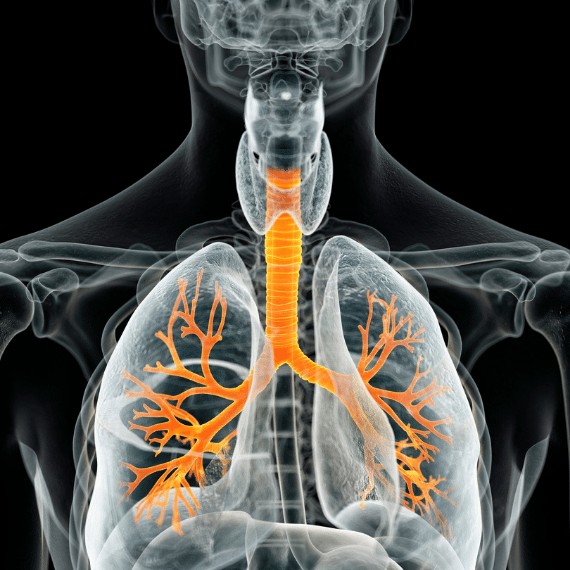
Why do we assume sleep apnea and snoring are intrinsically related? Part of the mechanism that causes sleep apnea is that our throat muscles relax and create an obstruction in the upper airway, prompting the problematic, if momentary, pause in breathing, which is known as an apnea event.

Snoring happens when there is a narrowing, or rather a partial obstruction, in the airway. Since the tube or airway is smaller, the air must travel through faster and makes a noise, also known as snoring. This process is similar to whistling because, with whistling, the opening through which air passes through the lips is narrowed, and the air must travel faster and produces the high-pitched whistling. 

Many people discover that this sequence results in snoring, but you can be a heavy snorer without any sign of sleep apnea or have sleep apnea and be an incredibly quiet sleeper. This might be rare, but far from unheard of.

A heavy snorer might just have a narrowed airway that results in the snoring sound. Whereas someone that doesn’t snore but has sleep apnea might only have complete airway obstructions or central apnea events instead of partial airway obstructions that can result in snoring.

It’s also important to remember that different types of anatomy in the airway might influence the obstruction for different people, but the end result is still an obstruction that alters breathing patterns.

Symptoms such as headaches in the morning with no other discernible cause, fatigue, anxiety, and difficulties regulating your mood can also be linked to sleep apnea. Equally, they can be standalone issues or symptoms of something entirely different.

2. Weight Loss and Sleep Apnea

There are more misunderstandings about weight, holistic health, and sleep apnea that we could cover. Is sleep apnea reversible with weight loss? Just like snoring, there is a good percentage of sleep apnea cases in which healthy, well-managed weight loss may be beneficial–but it would be misleading to state that any amount of weight loss will cure sleep apnea. The Sleep Foundation notes that weight loss can ‘significantly reduce’ some symptoms related to sleep apnea, such as daytime fatigue, and contribute to improvements in blood pressure, diabetes, and cardiovascular health.

It also found that losing 10% to 15% of body weight can correlate with a reduction of up to 50% in symptoms. The caveat is that this applies to people who are medically considered moderately obese and that it cannot and does not provide a complete cure.

Ample studies and clinical trials have confirmed that patients with weight-related health concerns may see a reduction in the severity of their sleep apnea symptoms, provided they lose weight safely. This happens because the extra pressure on the airways is removed. That said, weight loss is not a cure-all, nor will it mean that sleep apnea disappears or reduces automatically in line with weight loss.

For many people with sleep apnea, the weight can be a symptom of elevated inflammation and poor sleep affecting metabolism and making it harder to maintain a normal weight.


3. Sleep Apnea and CPAP Machines

Over years of study and research, we have found it helpful for people to follow certain breathing routines before bed to allow for more restful sleep.

As all CPAP users will know, these machines can be distracting, noisy, and difficult to travel with. CPAPs are a well-known medical tool, but some people find they cannot sleep due to the experience of claustrophobia.

Whether or not you require a CPAP, it can be helpful to learn natural methods that support better sleep like how to set up sleep with nutrition, a restful environment, and a 10-minute breathing routine that allows for easier breathing. Dylan Petkus, MD guides you through his experience and others’ in the Sleep Apnea Solution book and the Optimal Circadian Health online resources!

References:

  • Marshall NS et al. Sleep apnea and 20-year follow-up for all-cause mortality, stroke, and cancer incidence in the Busselton Health Study cohort. J Clin Sleep Med. 2014;10(4):355-362.
Read More

Can You Have Sleep Apnea Without Snoring?

Can You Have Sleep Apnea Without Snoring?

Sleep apnea is a condition that impacts sleep due to a narrowing of the airway. It means you might stop breathing intermittently, breathe more quickly than normal, or experience fatigue, headaches, and reduced resilience to stress.

Does snoring mean sleep apnea? Often, yes, loud snoring is one of multiple potential symptoms. However, it is absolutely possible to experience sleep apnea even if you’ve never snored, but this doesn’t necessarily rule out sleep apnea as a potential cause of disturbed sleep. Snoring itself is a side effect–it isn’t the cause of sleep apnea. Therefore, any issues obstructing or narrowing your airway could mean you develop the condition, whether or not you snore.

Today, we’ll examine why snoring is a common indication of obstructive sleep apnea and what is actually happening in your throat when you try to sleep.

Sleep Apnea: An Overview of This Widespread Condition

One of the focuses of our book on sleep apnea, Sleep Apnea Solution, is to provide clarity and education about why the condition exists and highlight the functions within your airways that are causing the problem. There are two main types of sleep apnea:

  • Having obstructive sleep apnea means your upper airway becomes blocked at night when you’re trying to sleep.
  • Central sleep apnea is more complex, and while the symptoms can feel similar, the cause is linked to problems with increased inflammation in your brain so your muscles and nerves aren’t working as they should for breathing.

How many people have sleep apnea? There are roughly thirty-nine million adults in the US who have confirmed sleep apnea, according to data from the National Council on Aging (NCOA), but there are likely millions more who suffer in silence with disrupted sleep.

While a large proportion of people with sleep apnea also report snoring, the underlying issues may be more serious. If unaddressed, the condition can lead to health complications relating to your heart, metabolism, brain, and kidneys. It can also cause chronic fatigue, brain fog, and headaches that impact your ability to go about your usual daily routines.

Why Do Most People With Sleep Apnea Also Snore?

Snoring is widely common and considered harmless aside from disruptions to others trying to sleep nearby. Johns Hopkins Medicine reports that 45% of adults snore occasionally, and 25% snore regularly. While the volume of that snoring can be problematic, it’s not always considered to be concerning.

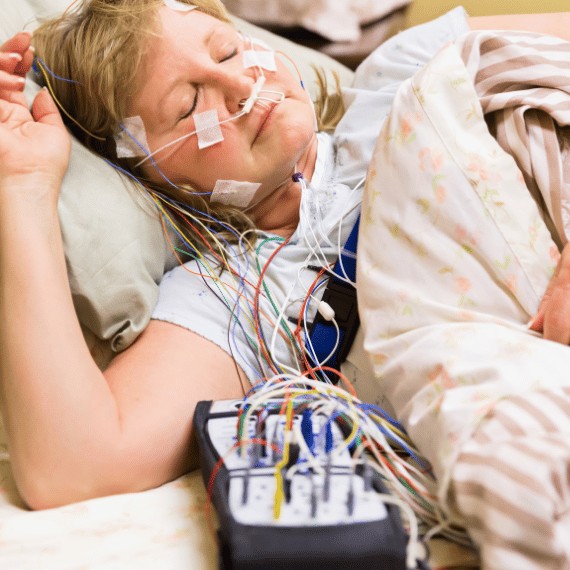
Healthcare services may offer a sleep tracker you can wear overnight to monitor your breathing. These devices often use a system called ‘AHI scoring,’ which determines whether your sleep apnea is mild, moderate, or severe and may influence the recommendations made.

Some health conditions may make you more likely to develop sleep apnea. This is not a foregone conclusion, and it does not mean you will not experience health challenges! However, conditions like high blood pressure, dementia, and diabetes are often comorbidities where sleep apnea poses a risk factor, alongside other aspects of a person’s overall health profile, such as whether they maintain a healthy weight and active lifestyle.

Can hypertension cause sleep apnea? Potentially, it can. When your breathing is erratic at night, the variations in your heart rate and blood pressure strain your cardiovascular system. This means it could be important to overcome disturbed nighttime sleeping in the interest of your long-term wellbeing.

The connection between snoring and sleep apnea is related to the way your airways move when you sleep:

  • Sleep apnea sufferers find that when they sleep, the tissue around the airway tightens rather than relaxes to allow for natural nighttime breathing.
  • The airways become narrower or temporarily blocked, making it harder for the air to reach your lungs.
  • A narrowed airway causes increased pressure and speed of breathing to try and ‘catch up,’ which causes vibrations–a key cause of snoring.

This same chain of events is why snoring is more typical in older adults. The density of our muscles lowers as we age, which means our airways naturally become constricted.

This doesn’t mean everyone will develop sleep apnea in later life, but it explains why the condition and general snoring are normal at this stage. One of the core takeaways is that the speed of breathing creates the problem, contributes to more or louder snoring, and impedes your ability to relax and rest during sleep.

How Breathing Techniques Can Contribute to Healthy Sleep for People With Sleep Apnea

As we’ve discovered, faster breathing at night exacerbates the blockage in your airway. You breathe quicker and quicker, trying to overcome the restriction caused by a tighter airway. The faster you breathe, the more your tongue is pulled back toward the airway, worsening the obstruction.

It’s important to ensure you understand how and why your sleep apnea occurs. Learning how to activate slower breathing can help keep your airway open. Breathing exercises that make nighttime breathing easier can allow for more restful sleep.

Find out what nighttime breathing routine is best for you in the Sleep Apnea Solution book where Dylan Petkus, MD shares his top tips for easier breathing and sleep!

References:

  • Marshall NS et al. Sleep apnea and 20-year follow-up for all-cause mortality, stroke, and cancer incidence in the Busselton Health Study cohort. J Clin Sleep Med. 2014;10(4):355-362.
Read More

Does Snoring Mean Sleep Apnea?

Does Snoring Mean Sleep Apnea?

Snoring and sleep apnea often go hand-in-hand. Due to the restriction or blockage in their airways, people with sleep apnea experience faster breathing and intermittent pauses during the night. This often causes frequent disruptions to their sleep pattern, alongside snoring.

Although it is common for snoring to be a symptom of sleep apnea, these two factors are not necessarily mutually exclusive. For instance, a person could have sleep apnea without any snoring, and another might snore regularly but have no indications of sleep apnea.

Like so many conditions, each person’s experience may be unique, and there are multiple potential symptoms, which you might notice all at once, only some of the time, or not at all. Dylan Petkus, MD’s Sleep Apnea Solution book provides further expert insights to help you understand sleep apnea, how and why symptoms occur, and breathing exercises and techniques to promote restful, restorative sleep at night.

Understanding the Relationship Between Snoring and Sleep Apnea

Most sleep apnea sufferers snore. However, healthcare professionals don’t rely on a history of snoring to determine whether a person has sleep apnea. An article published by the National Library of Medicine explains that because around 45% of men and 25% of women snore habitually, this is too common a symptom to be a reliable way to assess a person’s sleep.

While between 70% and 95% of sleep apnea patients have snoring as a symptom, it is considered more appropriate to analyze it alongside other symptoms. Those signs might include:

  • Pauses in breathing during the night, often followed by waking up or gasping for air
  • Headaches and a dry mouth in the morning
  • Fatigue and sleepiness in the day, even if the person perceives they have had a good night’s sleep
  • Difficulty concentrating or remembering things
  • Feeling irritable, anxious, or depressed

Can you have sleep apnea without snoring? As mentioned above, you can. The above list of symptoms is intended to educate about the potential ways sleep apnea is identified, but a small proportion of sleep apnea sufferers do not, and might never have, snored.

How Can You Tell if You Have Sleep Apnea?

One of the first steps to verifying whether you have sleep apnea is to make an appointment with your physician. They can review your symptoms with you and possibly refer you to a sleep specialist or other practitioner if you have severe symptoms impacting your life. Depending on your location and healthcare provider, you will usually be asked about the above symptoms and offered tests to check your breathing, heart function, lung capacity, and blood pressure to see if there are any underlying causes or issues.

Healthcare services may offer a sleep tracker you can wear overnight to monitor your breathing. These devices often use a system called ‘AHI scoring,’ which determines whether your sleep apnea is mild, moderate, or severe and may influence the recommendations made.

Some health conditions may make you more likely to develop sleep apnea. This is not a foregone conclusion, and it does not mean you will not experience health challenges! However, conditions like high blood pressure and diabetes are often comorbidities where sleep apnea poses a risk factor, alongside other aspects of a person’s overall health profile, such as whether they maintain a healthy weight and active lifestyle.

Can hypertension cause sleep apnea? Potentially, it can. When your breathing is erratic at night, the variations in your heart rate and blood pressure strain your cardiovascular system. This means it could be important to overcome disturbed nighttime sleeping in the interest of your long-term wellbeing.

What to Do After Discovering You Have Sleep Apnea

Whether you have been officially advised that you have sleep apnea or have long struggled with disordered sleeping, fatigue, and headaches, several options can help, in addition to or instead of conventional sleeping aids, like a CPAP machine. Depending on your goals, you may be seeking opportunities to support breathing and sleep naturally.

If you want to learn natural methods for more restful sleep, discover breathing techniques, and more, in Dylan Petkus, MD’s Sleep Apnea Solution, to allow for easier nighttime breathing.

References:

  • Marshall NS et al. Sleep apnea and 20-year follow-up for all-cause mortality, stroke, and cancer incidence in the Busselton Health Study cohort. J Clin Sleep Med. 2014;10(4):355-362.
Read More

Can Hypertension Cause Sleep Apnea?

Can Hypertension Cause Sleep Apnea?

Hypertension, or ‘high blood pressure,’ is one of several conditions that can potentially increase the risk of obstructive sleep apnea. Mayo Clinic indicates that heart failure, type 2 diabetes, lung conditions like asthma, some hormonal disorders, a history of strokes, obesity and polycystic ovary syndrome can also be risk factors.

As explained in the latest sleep apnea book by Dylan Petkus, MD, sleep apnea primarily occurs due to blockages or obstructions in the airway. This condition can worsen if you have any of the above conditions or are overweight, increasing the pressure on your airways while you sleep. A number of anatomical variations, inflammation, and breathing patterns can increased the likelihood of airway collapse.

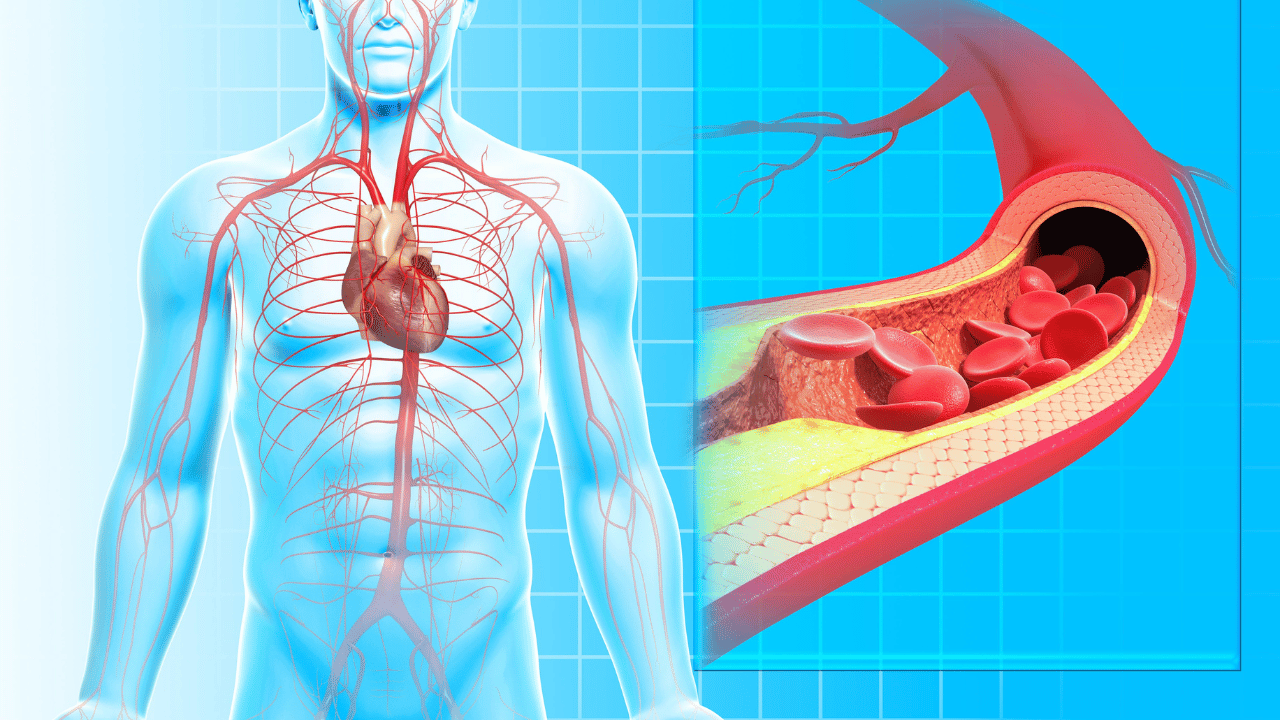
Finding the right way to help regulate nighttime breathing naturally is key. The reduction in blood oxygen that occurs during sleep apnea can strain your cardiovascular system and other organs. Whether you already have hypertension, a heart condition, or are in an at-risk category, sleep apnea can impact your overall well-being.

What Is the Link Between Sleep Apnea and High Blood Pressure?

Both hypertension and sleep apnea can escalate the risk of the other or exacerbate your symptoms. Clinical studies note that sleep apnea is a recognized cause of secondary hypertension because fluctuations in blood pressure at night can create sustained higher blood pressure during the day even when your breathing returns to normal. Therefore:

  • During the night, when sleep apnea sufferers struggle to get enough airflow, their blood pressure rises and falls quickly due to elevated breathing speeds and intermittent periods where they stop breathing–usually also waking up.
  • When the person is awake, their breathing will often revert to a normal speed, but their blood pressure can remain high, creating a cycle of hypertension due to their nervous and vascular systems responding to stress.

It is well known that disruptions to sleep leave the body tired, unrested, and less resilient to life’s stressors. With time, the decrease in rest at night can lead to a multitude of issues.

Unfortunately, unaddressed or progressively more severe sleep apnea symptoms can have ramifications for your health. We need sleep to function; without it, issues like irritability, mood swings, fatigue, and daytime sleepiness are common. Over time, prolonged lack of sleep can lead to problems with liver, kidney, and heart health.

Is sleep apnea dangerous? Sleep apnea can result in increased heart attacks, strokes, dementia, and sudden death in sleep.

Sleep disturbances are to be taken seriously. That’s why it’s important to support easier breathing and more restful sleep by introducing beneficial breathing patterns and healthy sleep hygiene habits.

Snoring, Sleep Apnea, and Hypertension

Does snoring mean sleep apnea? Many people with sleep apnea do indeed snore, but snoring can also be harmless and possibly a symptom of something else, such as hypertension–independently of sleep apnea.

An article published by News-Medical.net found that regular snoring has a ‘strong association’ with high blood pressure, even in people without obstructive sleep apnea. However, excessive snoring is also more common in overweight and older adult men, who may be equally susceptible to sleep apnea.

There are known connections between all these symptoms and conditions. Working to make positive changes to your sleep environment, breathing techniques, health, nutrition, and physical welfare can prove highly beneficial as a tool to aid your holistic and overall health.

That said, if you are concerned about high blood pressure or any aspect of your medical wellbeing, the first step is to book an appointment with your physician to ensure you are aware of any underlying conditions or have reviewed any medications you are currently taking to ensure these remain suitable and safe.

Choosing the Right Options to Boost Better Sleep and Reduce Sleep Apnea Symptoms

Many people with hypertension and sleep apnea find that conventional options like CPAP machines have minimal impact on their blood pressure. Researchers indicate that this type of device achieves ‘relatively small’ results and is typically combined with medications to manage blood pressure. However, reducing the frequency of waking at night, optimizing your breathing to minimize sleep apnea symptoms, and ensuring refreshing, restful sleep can be incredibly beneficial and assist with all kinds of challenges.

Our goal is to help sufferers support sleep and breathing through more natural breathing patterns that can slow breathing speed and prevent the airway closure. Dylan Petkus, MD shares what he’s discovered in his book, Sleep Apnea Solution.

References:

  • Marshall NS et al. Sleep apnea and 20-year follow-up for all-cause mortality, stroke, and cancer incidence in the Busselton Health Study cohort. J Clin Sleep Med. 2014;10(4):355-362.
Read More

Is Sleep Apnea Dangerous?

Is Sleep Apnea Dangerous?

Sleep apnea isn’t necessarily a health emergency, but if left unaddressed, some people find that their symptoms worsen, become more severe, or contribute to greater health risks due to the impacts of long-term sleep disruptions and the strain on their cardiovascular health.

Johns Hopkins Medicine notes in its sleep apnea resources that around 3% of normal-weight adults develop sleep apnea, but this spikes to 20% or more of overweight or obese individuals, with connections to heart disease and diabetes, among other conditions.

Good quality sleep is essential for functioning, thinking, conversing, and being physically active. Therefore, sleep apnea may become more dangerous over time as it can potentially have a degenerative effect on vital functions, including the heart.

Can Sleep Apnea Damage Your Health?

The initial symptoms of sleep apnea are sometimes easy to ignore. They could include having a dry mouth, feeling tired in the morning, fatigue and grogginess, or headaches.

Leaving those symptoms as they are can be detrimental because even moderate obstructive sleep apnea can increase the danger of having an accident when driving. It can also mean you find it hard to complete your job or other responsibilities when you feel drained, foggy, and exhausted. In the long term, the risks become elevated as your body tries to cope with minimal rest and little restorative deep sleep.

Can hypertension cause sleep apnea, or vice versa? High blood pressure and sleep apnea are indeed linked as having one condition increases the risk or can prompt or exacerbate the other. Dips and peaks in blood pressure occur when your heart rate fluctuates at night and your breathing becomes fast and erratic or stops for a few seconds. This might contribute to higher blood pressure even during the day.

Taking action to understand sleep apnea and visit your practitioner or physician to assess any other health conditions you are worried about. Look for opportunities to support your well-being, breathing, and sleep naturally.

What Impacts Can Sleep Apnea Have on the Cardiovascular System?

Healthcare professionals have long noted that sleep apnea is typically combined with other prevalent conditions like heart problems and type 2 diabetes. The common thread is often thought to be obesity, which is a risk factor in each of these problems and can worsen the symptoms of sleep apnea. The extra weight presses on the lungs and narrows the throat due to the fatty deposits in this area.

There are many possible reasons sleep apnea could impact your cardiovascular system, depending on your overall wellbeing, nutrition, and activity levels. According to the American Heart Association, these might include:

  • Fluctuations in blood pressure that can worsen current hypertension or contribute to high blood pressure
  • Changes to your heart rate as it works harder to help you breathe (in some cases, sleep apnea can also be a factor in atrial fibrillation, where the heart beats erratically)
  • Increased risks of coronary artery disease, stroke, and ventricular diastolic dysfunction, which creates extra strain on the heart and elevates the risk of heart failure

Although people with otherwise healthy lifestyles and with no indications of a cardiovascular illness may not be at any immediate risk, it is essential to acknowledge the long-term effects of sleep apnea and why these go far beyond feeling tired during the day. If you are worried about your heart health or have a history of cardiovascular disease in your family and are experiencing symptoms of sleep apnea, it is well worth scheduling a full assessment and monitoring long-term.

Overcoming Sleep Apnea to Avoid Longer-Term Health Complications

Regardless of your sleep apnea, there can be benefits to support natural, healthy nighttime breathing. This can allow for more restful sleep and mitigate the more serious impacts of a disrupted sleep cycle, and possibly even reduce your risk of developing a more severe health condition in the future.

Start setting up for easier breathing and sleep in Dylan Petkus, MD’s Sleep Apnea Solution, where he explains the principles that helped him and others to shift their breathing patterns. You can take charge of your well-being and wake up feeling well rested!

References:

  • Marshall NS et al. Sleep apnea and 20-year follow-up for all-cause mortality, stroke, and cancer incidence in the Busselton Health Study cohort. J Clin Sleep Med. 2014;10(4):355-362.
Read More

What Does Sleep Apnea Sound Like?

What Does Sleep Apnea Sound Like?

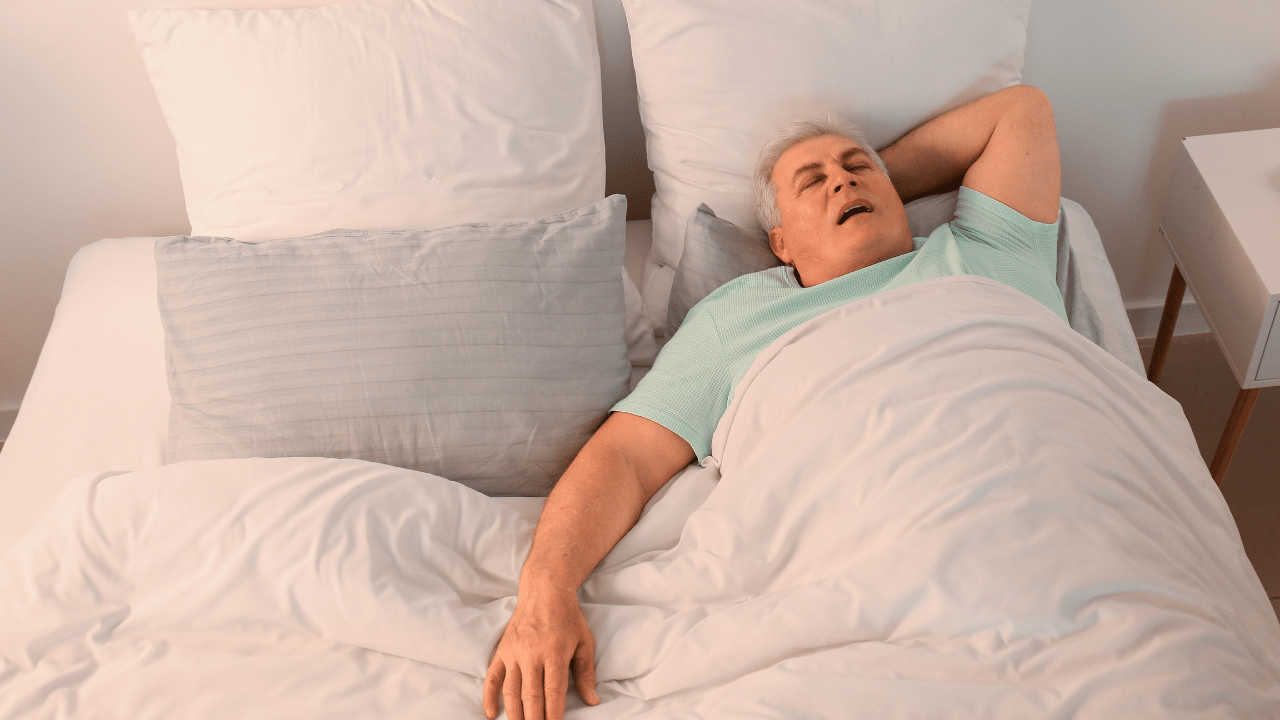
People with sleep apnea make unique sounds during sleep, such as snoring, gasping for air, snorting, and intermittent breathing pauses. Sleep apnea can be a serious condition, especially if it threatens your ability to perform your daily duties and live a fulfilling life. 

Is sleep apnea a disability? This is determined by the severity of the condition and the applicable laws in your region.  Sleep apnea can contribute to fatigue, decreased cognitive performance, atrial fibrillation, high blood pressure, and other issues. Depending on the career, falling asleep at the computer is one thing, whereas falling asleep or having a heart event while flying a plane or driving is a major safety issue. This is why some professionals are tested and monitored for sleep apnea treatment to prevent catastrophic events. This could lead to disability or unemployment for those professionals with untreated sleep apnea.

Unfortunately, many people with this sleep disorder don’t know they have it. This lack of awareness largely stems from misinformation and misdiagnosis. 

Some people even confuse sleep apnea with other sleeping disorders like insomnia. So, before you opt for a homemade sleep apnea solution, it’s important to get a proper diagnosis from a medical professional. This article will discuss the main symptoms of sleep apnea and the sounds you’re likely to make at night.

Common Sounds Associated with Sleep Apnea

Let’s elaborate more on these sounds to help you make an informed decision about your condition:


Gasping for Air or Choking

You are most likely suffering from sleep apnea if you’re always waking up in the middle of your sleep gasping for air. This is a frightening experience, especially when you wake up feeling like you’re suffocating. It also lowers the quality of your sleep.

The gasping for air and choking experience occurs when your airways collapse or get obstructed. Patients with sleep apnea also tend to snore loudly and are likely to wake up with a headache.  

Snoring

Snoring is the hoarse sound you make when air passes through the collapsed muscles of your throat during sleeping. As the air goes through these muscle tissues, they vibrate, causing the croaky sound.

Although many people snore occasionally, snoring is typically worse for people with chronic sleeping disorders like sleep apnea. However, not everybody who snores has sleep apnea.

This is why you should consult a qualified medical professional before making any conclusions. The type of snoring associated with sleep apnea is often combined with other symptoms like paused breathing, gasping for air, or choking while sleeping.

Furthermore, snoring doesn’t happen continuously throughout the night; it’s usually a combination of loud snores and periodic silence. The silence occurs when your breathing is paused. From there, restarting breathing can involve a gasp and an increased heart rate, a return to snoring if the airway remains partially obstructed, or snorting.

Snorting

Snorting is characterized by a rapid and noisy inhalation as you recover from paused breathing due to obstructed airways. Collapsed tissues in your throat normally cause this obstruction.


Interrupted Breathing Pauses

Periodic pauses in your breathing‒followed by noisy sounds of resumed normal breathing‒are the hallmarks of sleep apnea. This breathing pattern can be associated with changes in heart rate as seen on continuous pulse oximetry monitors.

Related Signs of Sleep Apnea

Aside from these sounds, there are other important signs of sleep apnea that you should look out for.

  • Unexplained daytime sleepiness: If you often feel sleepy during the day for no apparent reason, it could be a sign of sleep apnea.
  • Morning headaches: Frequent headaches when you wake up in the morning may be a sign of sleep apnea.
  • Lack of concentration: Lack of quality sleep due to sleep apnea often leads to a lack of concentration during the day.
  • Anxiety and mood swings: Sleep apnea can cause anxiety, and a prolonged lack of sleep may lead to mood swings.
  • Insomnia: Waking up repeatedly at night is a sign of sleep apnea, especially if you wake up gasping for air.

 In Conclusion

These sounds often become more noticeable when you lie on your back. Sleep studies will often report the number of apnea events in different sleep positions. You can reduce the effects of sleep apnea by adopting safer sleeping positions. If you think you have sleep apnea, consult a reputable healthcare professional for an official diagnosis. 

If you’d like to learn how to support easier breathing and sleep naturally, you can read Sleep Apnea Solution by Dylan Petkus, MD.

Read More

Pin It on Pinterest