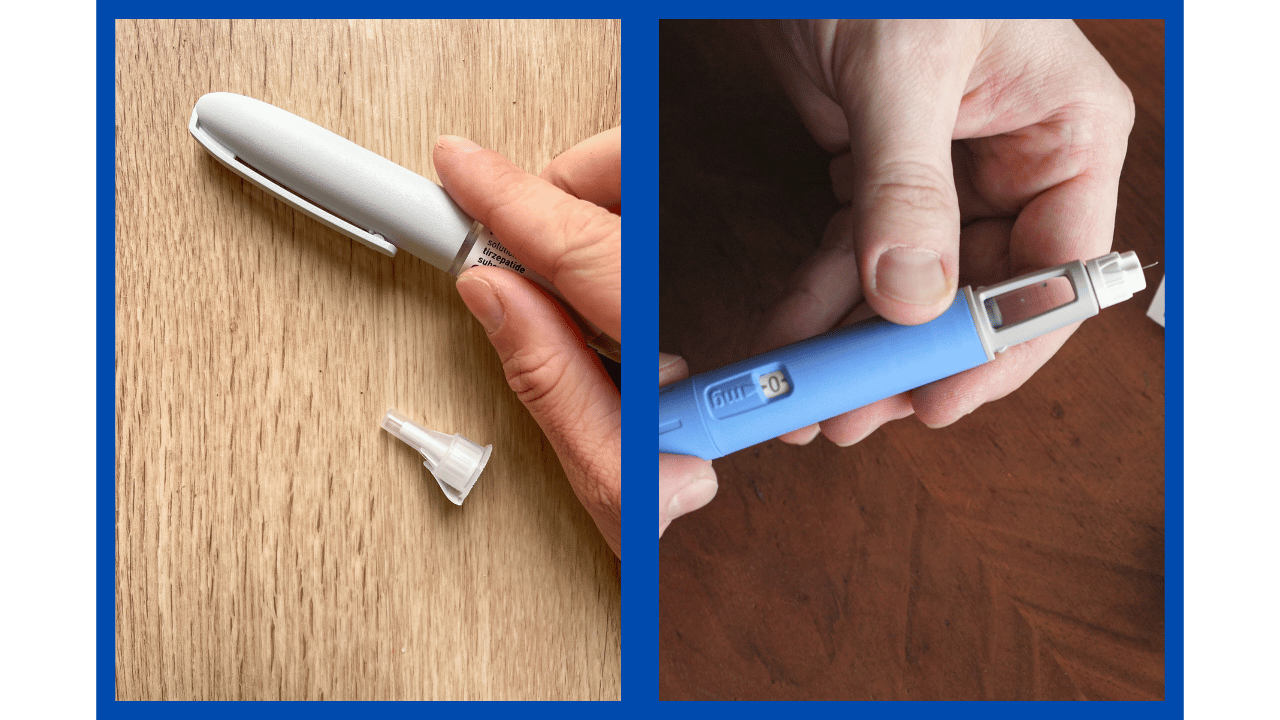
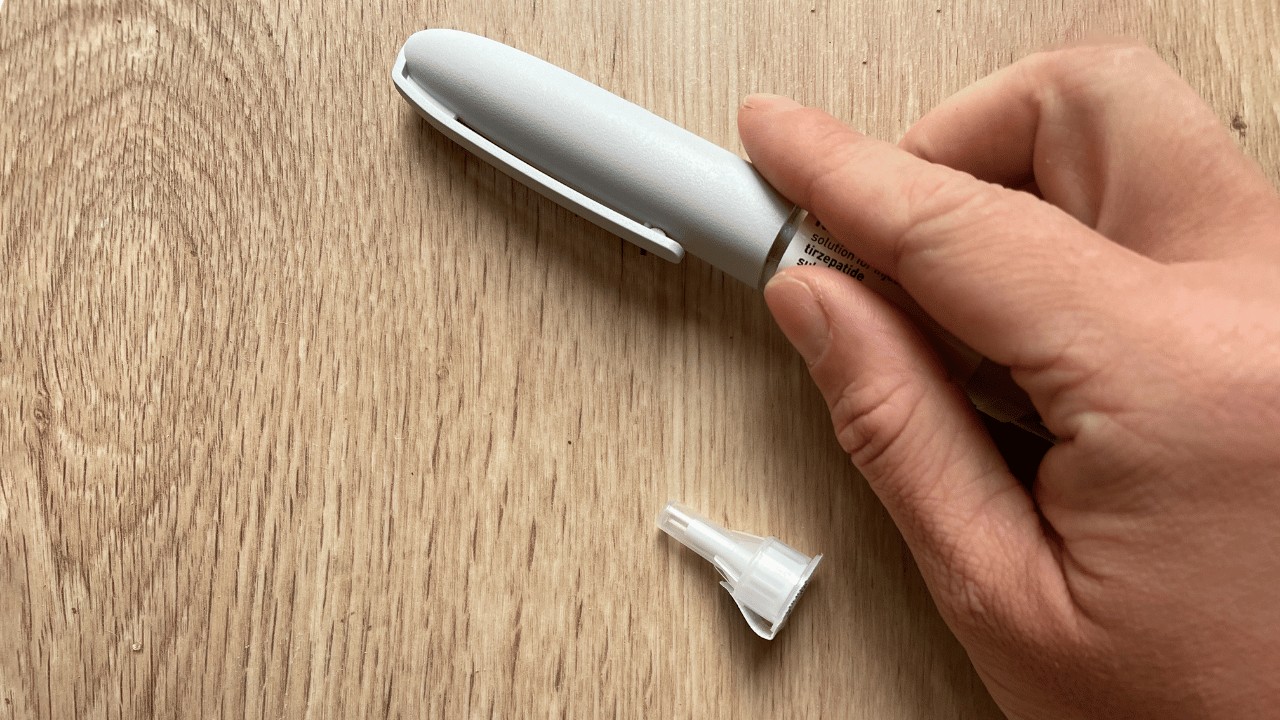
Medications like tirzepatide and other weight loss drugs like Ozempic are becoming more popular and accessible alternatives for those struggling with sleep apnea. Taking tirzepatide or Ozempic for sleep apnea might help to support the weight loss process and open your airways to make breathing easier at night.
Early Research, Promising Results
While the use of these medications for sleep apnea is still being investigated, as are supplements for sleep apnea, early studies show promising results for those dealing with the disorder. Doctors at the University of California in San Diego recently called tirzepatide a ‘significant milestone’ in the treatment of obstructive sleep apnea, saying it may address both metabolic and respiratory complications.
Researchers have found that tirzepatide significantly decreased how often a person experienced breathing interruptions while snoozing. Some didn’t even need a CPAP machine at night after taking it. The study also showed reduced risk of heart problems and improved their overall weight.
Due to its success, some companies have asked the US Food and Drug Administration to expand approval of weight loss drugs to address sleep apnea.
Even with the shifts some people see with tirzepatide or ozempic, depending on the severity of sleep apnea, how much weight there is to lose, and other variables, these medications aren’t appropriate for everyone and they aren’t without their limitations.
Many people with sleep apnea don’t lose enough with those medications to have a big enough impact on their sleep. For every 10 pounds of weight loss, there is estimated to be a reduction in apnea events of about 2-3 per hour. So if someone has severe sleep apnea with an AHI over 50, they’d have to lose a lot of weight and be able to keep it off with time.
It’s also important to remember that there are a growing number of people with a normal BMI who don’t have any weight to lose. This is something people often ignore or don’t think is true when they don’t understand how breathing patterns can become a problem in people of all ages, sizes, and backgrounds.This is something I cover in my book, Sleep Apnea Solution.
How Do These Drugs Work?
Usually used to manage diabetes, the most common weight loss medications can help improve sleep apnea. These medications can reduce the fat a person may have around their throat and neck that pushes on the airway, making it narrower and more likely to collapse while sleeping.
If this happens, the obstruction blocks airflow. This is why if you have sleep apnea, you may feel restless, keep everyone up with your snores, or constantly wake up gasping for air.
Medications designed for weight loss help reduce the amount of fatty tissue around the airway and make it easier for air to pass through. This could lead to fewer breathing interruptions at night, encouraging better breathing and more restful sleep.
However, weight loss medications aren’t a standalone cure for all your sleep apnea struggles. If approved by your doctor, they may be an effective part of a larger treatment approach.
A Broad Approach to Sleep Apnea
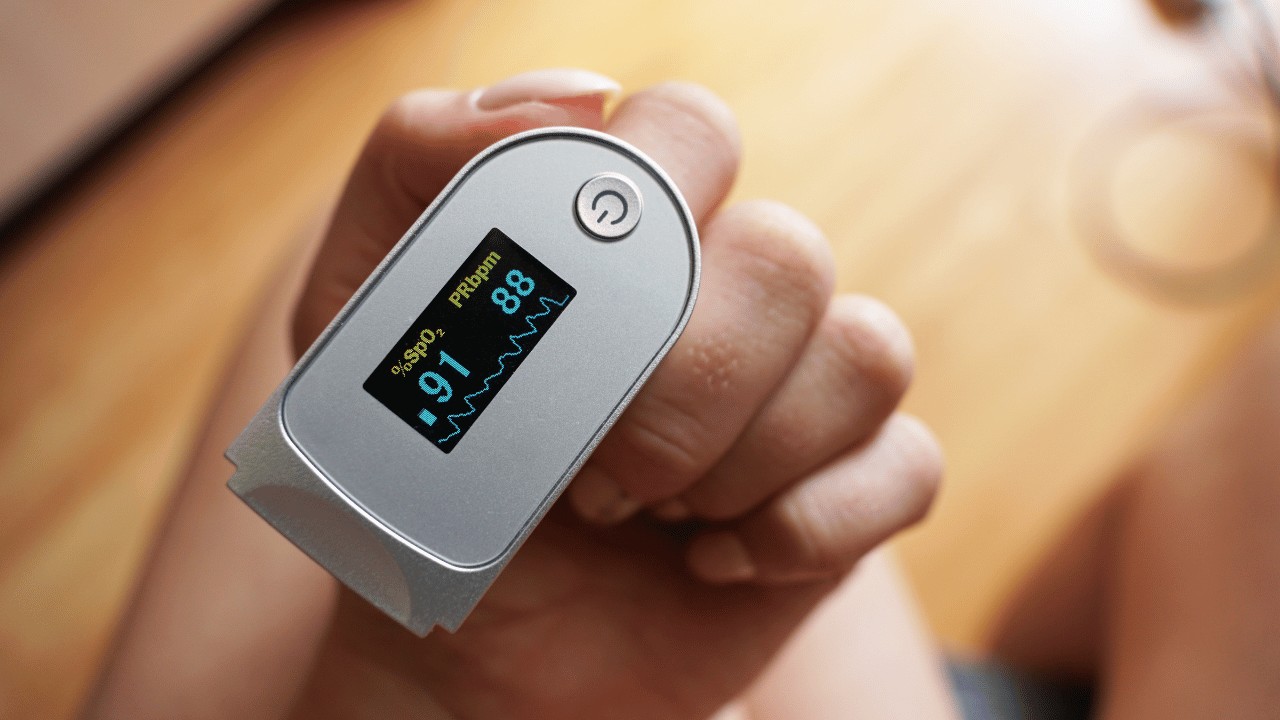
Some doctors may recommend using oxygen for sleep apnea to help improve oxygen levels during sleep, although this approach is usually used alongside other treatments like CPAP therapy. So far, early studies show weight loss medications can also help manage sleep apnea symptoms to some degree and in some people.
However, at Optimal Circadian Health, we believe the best results come from also supporting breathing and sleep naturally. Here are a few key areas we focus on:
- Improving nutrition
- Retraining breathing
- Aligning circadian rhythms
- Resetting and supporting your nervous system
The book, Sleep Apnea Solution, offers resources that dive into each of these areas and help you take action toward enjoying more nights of uninterrupted, restful sleep. At Optimal Circadian Health, we’re here to support you every step of the way because we feel everyone deserves a refreshing snooze!