Sleep Apnea Archives | Page 2 of 10 | Optimal Circadian Health

Obstructive Sleep Apnea Pulse Pressure
Obstructive Sleep Apnea Pulse Pressure

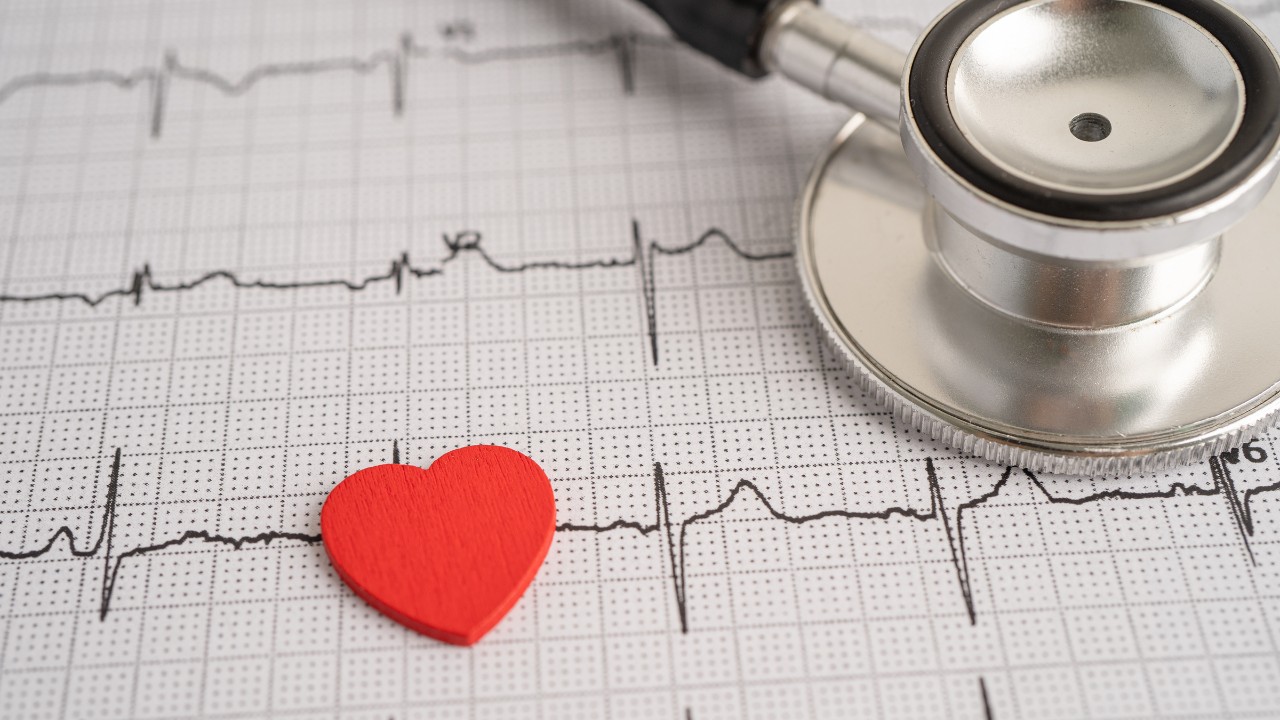
Obstructive sleep apnea (OSA) and heart problems such as hypertension (also known as ‘high blood pressure’) are commonly associated with each other. It’s not unusual for a person to experience both health issues at the same time. 

Numerous studies identified OSA as a contributor to the development of hypertension. As such, OSA patients should diligently manage their hypertension as part of their approach to managing sleep apnea. 

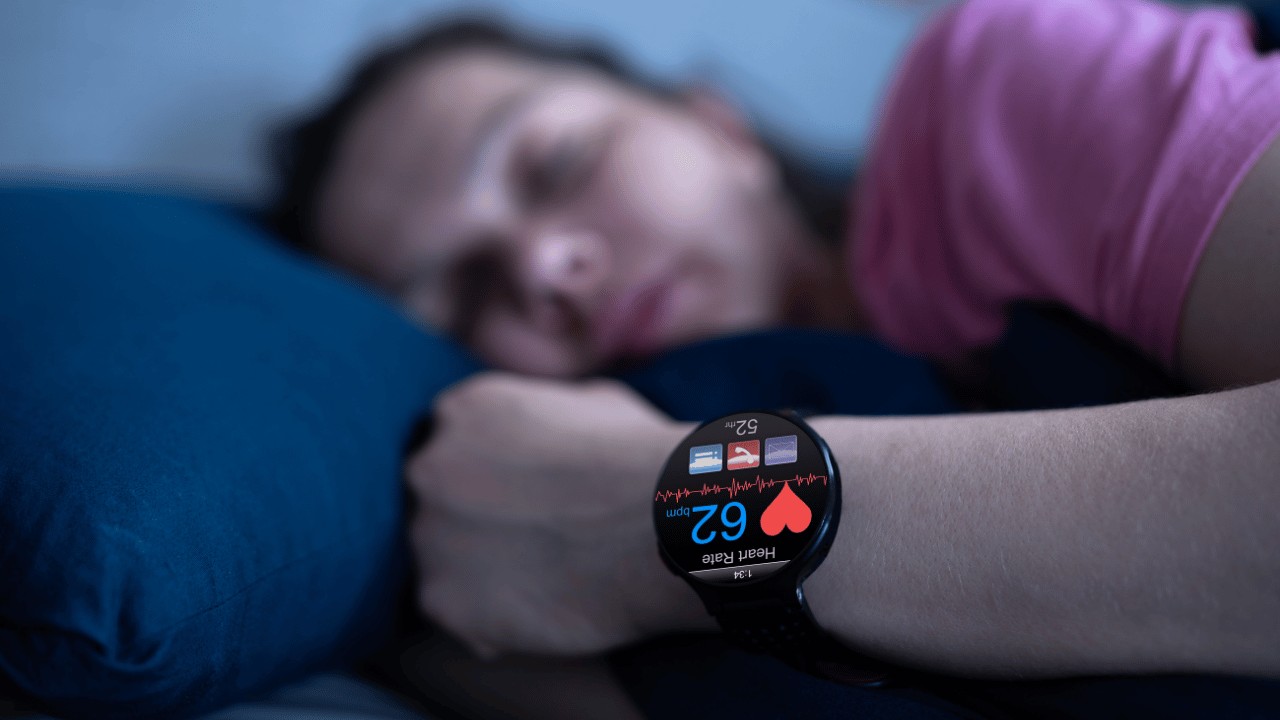
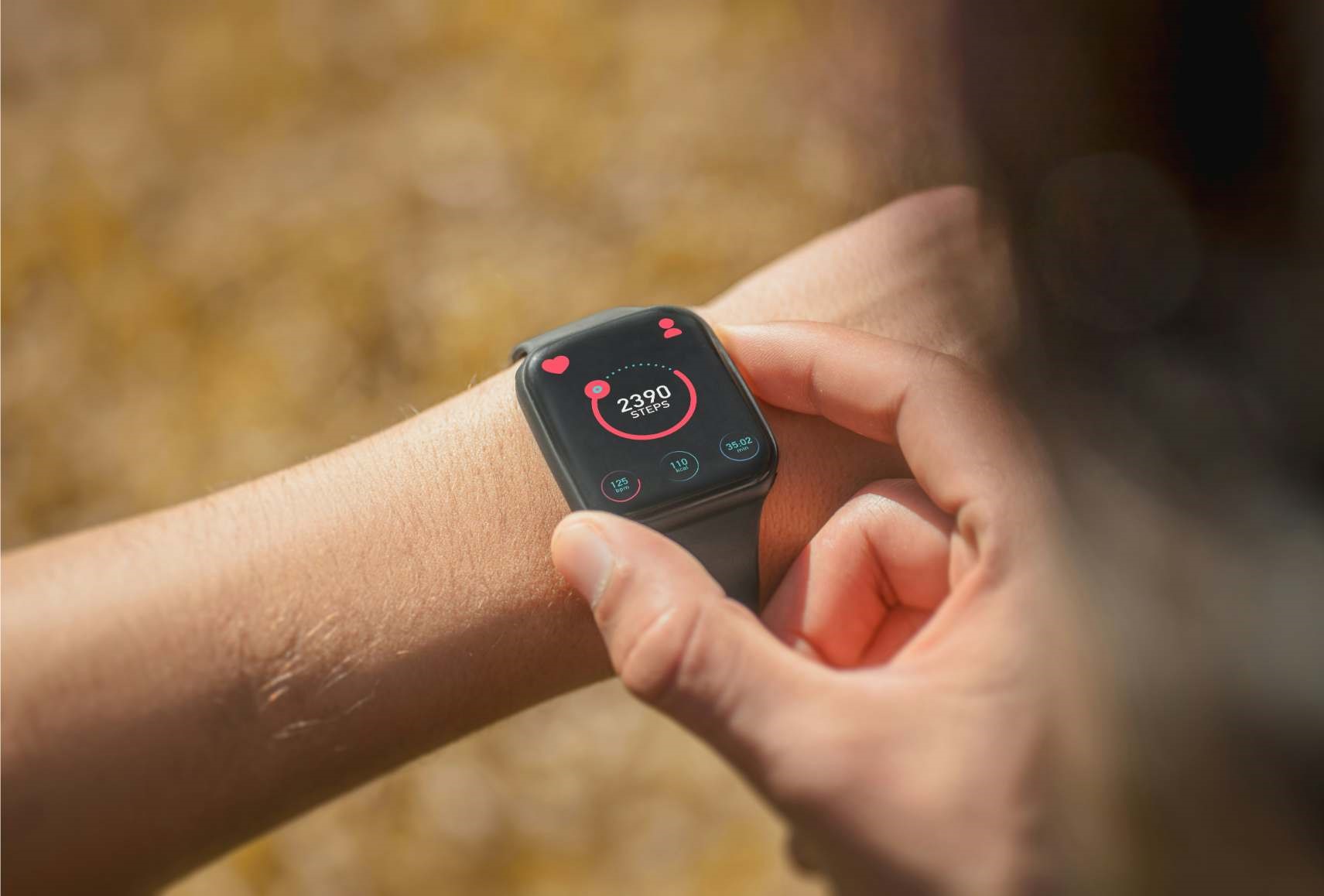
Many patients with OSA use daily trackers like an Oura Ring or Fitbit for sleep to check important vitals such as heart rate as well as sleep patterns as part of their daily health routines.

How Obstructive Sleep Apnea Affects the Heart

After your health practitioner walks you through how to read sleep apnea test results and concludes that you have OSA, it’s important to pay close attention to your symptoms and the possible complications. Sleep is an important lifestyle factor that can impact your body (particularly your heart) in many ways. 

For example, OSA can lead to a variety of heart conditions, including atrial fibrillation (irregular heartbeat), coronary artery disease (hardened arteries), and bradycardia (slow heart rate). One of the most common cardiovascular issues in OSA patients is hypertension. Numerous studies suggest a sleep disorder like OSA is an independent risk factor for hypertension.

According to the American Thoracic Society, about 30% of hypertensive patients suffer from OSA. There is also a 50% chance that you have hypertension if you have OSA. One study showed that OSA is associated with an increased future risk of hypertension independent of age, sex, body mass index, and other demographics. 

It is believed that the link between OSA and hypertension is due to the disruptive breathing patterns typical of sleep apnea causing stress to the heart. When you take prolonged gaps between breaths, you decrease the level of oxygen in your blood. This signals your heart to beat faster, elevating your blood pressure. Some patients are encouraged to use devices such as a sleep apnea oxygen concentrator to better control blood oxygen concentration and help ease hypertension. However, most people require additional measures to control blood pressure.
Managing Hypertension in OSA Patients

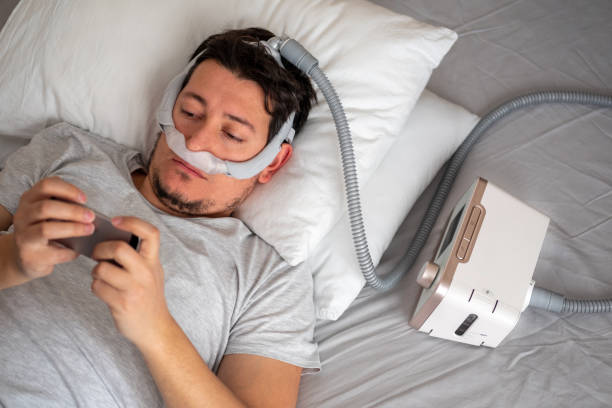
The connection between OSA and hypertension highlights the importance of managing sleep apnea symptoms to decrease their potential adverse effect on the heart. There are several methods to treat OSA, with continuous positive airway pressure (CPAP) generally being the first-line approach. 

That said, dependence on CPAP devices is not an option for many OSA patients as the majority don’t tolerate it. Additionally, CPAPs only deliver a modest reduction in blood pressure. As such, many health practitioners rely on pharmacological therapy aka medications to control blood pressure, but data is limited on the efficacy of these drugs in patients aiming to control hypertension as a complication of OSA.

Fortunately, there are natural ways to complement what your licensed medical provider is doing to help control the issues that come along with sleep apnea.

Overcoming Sleep Apnea

Sleep apnea can significantly impact your life because it affects how much energy and brain power you have every day. If you’re looking to learn natural methods to improve breathing patterns and set up sleep for success, you can find Dylan Petkus, MD’s book Sleep Apnea Solution on Amazon. It includes his top breathing routines and natural methods for sleeping deeper and quieter at night!
Read More

Sleep Apnea Oxygen Concentrator

Sleep Apnea Oxygen Concentrator

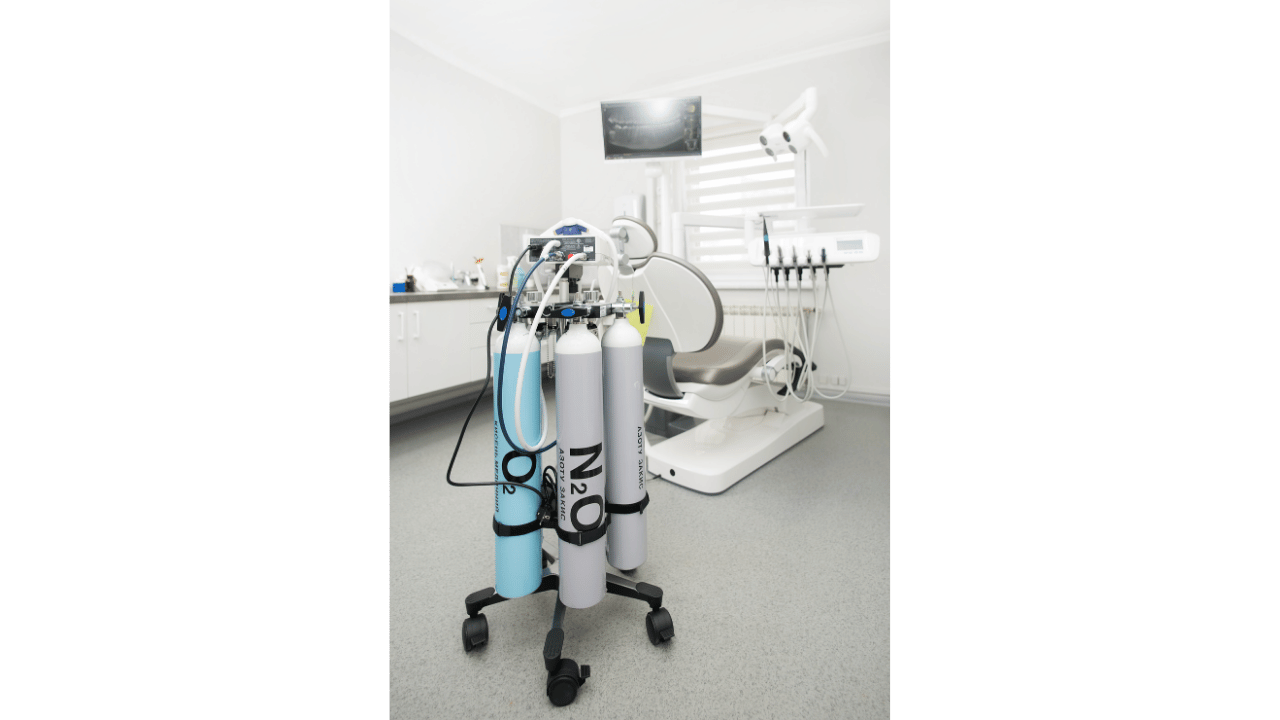
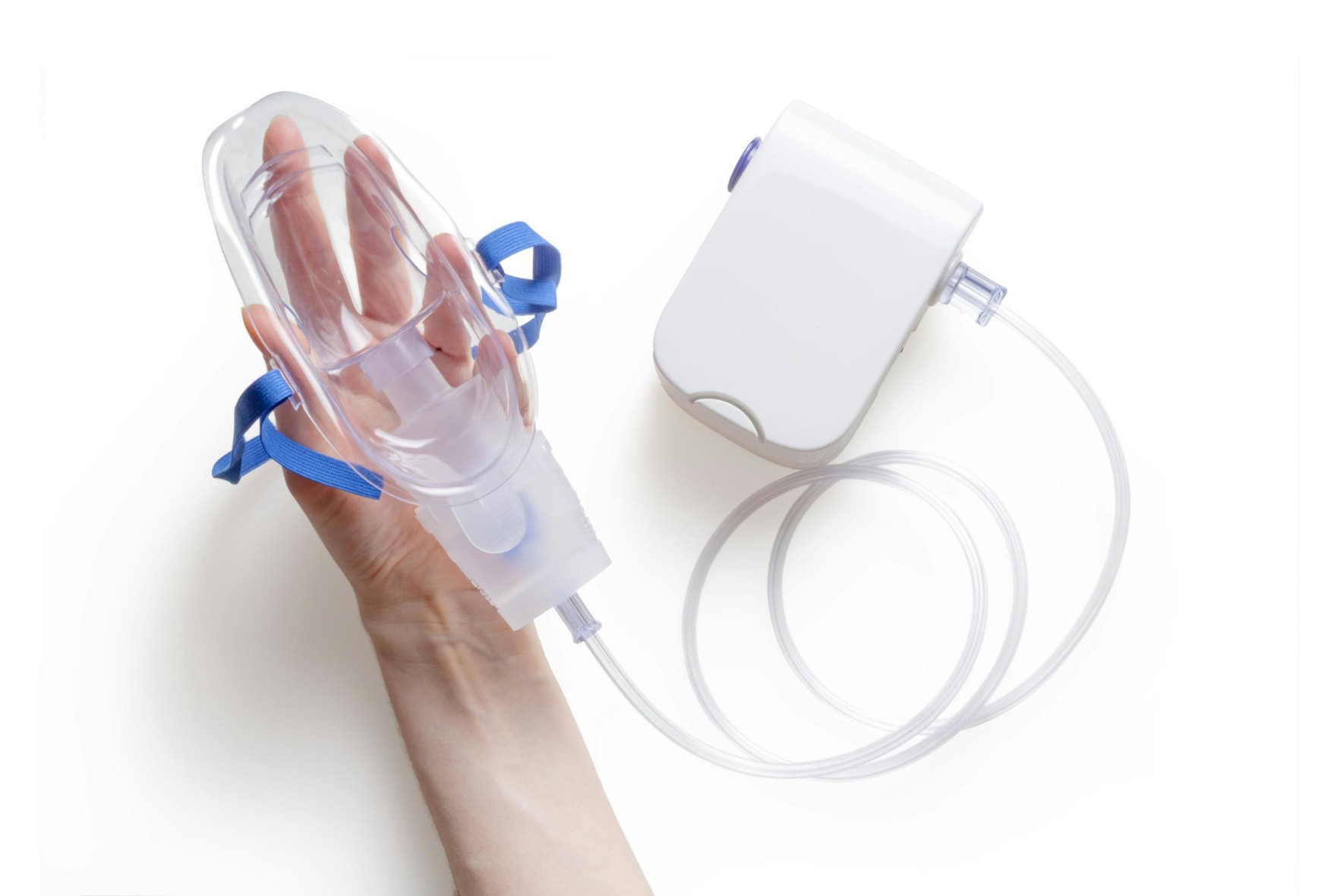
Obstructive sleep apnea (OSA) can cause hypoxemia or an abnormally low concentration of oxygen in the blood. In these cases, health professionals might recommend methods to help increase your blood oxygen levels, including using a sleep apnea oxygen concentrator at night. This is a medical device that can provide supplemental oxygen to your system.

The Connection Between Sleep Apnea and Oxygen

Sleep apnea is characterized by breathing dysfunctions that result in poor air intake and sleep disruption. It can also complicate other conditions, such as hypertension and obstructive sleep apnea pulse pressure. Rapid or shallow breathing or long gaps between breaths may reduce the amount of oxygen in your blood, and you may want to consider the Oura Ring or Fitbit for sleep tracking.

Normally, blood oxygen levels should be between 95% and 100%. Those with sleep apnea may see these levels fall below 92%, which requires medical intervention. In more extreme cases, tests may record blood oxygen levels at 88% or less for more than five minutes. 

These levels point to hypoxemia (abnormally low blood oxygen concentration), which can negatively affect other body functions. You can check your blood oxygen levels using a pulse ox for sleep apnea, but it’s best to consult your doctor for a proper diagnosis. That way they can determine what treatment might make the most sense for you. Then, at some point it can be worth asking them if it’s be helpful for you to have continuous pulse oximetry data for them to review and monitor your blood oxygen concentration at night.

Oxygen Therapy for Sleep Apnea

If you have OSA, you may benefit from oxygen therapy, but this approach is highly dependent on how your body responds to supplemental oxygen. One review of oxygen therapy showed that it significantly improves oxygen saturation in OSA patients. However, these results also recorded a possible increase in the duration of apnea-hypopnea events (episodes of difficult breathing during sleep). 

Another review found that supplement oxygen improved the apnea-hypopnea index and blood oxygen saturation in twenty-seven cases. That said, oxygen therapy isn’t recommended as a sole treatment for OSA, although it could be helpful as an approach.

How Does an Oxygen Concentrator Work?

An oxygen concentrator draws the air around you through a filter, absorbing the nitrogen to increase the percentage of oxygen. The device then delivers the filtered oxygen through a face mask or a nasal tube.

Types of Oxygen Concentrators

There are two main types of oxygen concentrators: a home device and a portable device.

Home Oxygen Concentrator

A home oxygen concentrator is ideal if you need constant oxygen at home or when you’re sleeping. It is a large device, typically weighing more than twenty pounds, which you can lift or roll into place. It runs on electricity, so you can use it for prolonged periods as long as it’s plugged in. If your power goes out, the machine usually has a backup battery.

The great thing about a home oxygen concentrator is that you can tweak it to improve your experience. Some units allow you to add a humidifier so that the oxygen you breathe is more moist and you won’t have to deal with a dry nose. You can also extend the oxygen tube to have more flexibility in moving around. That said, dry mucous membranes is still common and something that can be quite uncomfortable.

Portable Oxygen Concentrator

A portable or travel oxygen concentrator is designed for on-the-go use. It’s a smaller and lighter version of the at-home device and can fit in a pack that you carry when you’re out of the house. It runs on a battery and usually delivers oxygen by pulse dose (small bursts each time you inhale).

If you’re using a portable oxygen concentrator, remember to carry an extra battery and clean your device regularly.

Other Easy Sleep Apnea Opportunities

There are many things that can be done to support sleep apnea, and not all involve depending on machinery. Sure, your licensed medical provider can prescribe those treatments. Beyond that, complementary natural methods are something many find helpful in their journey to improve their breathing patterns and have more restorative sleep. The Sleep Apnea Solution book covers important insights around sleep apnea, including methods to promote calmer breathing at night.

Read More

Pulse Ox for Sleep Apnea

Pulse Ox for Sleep Apnea

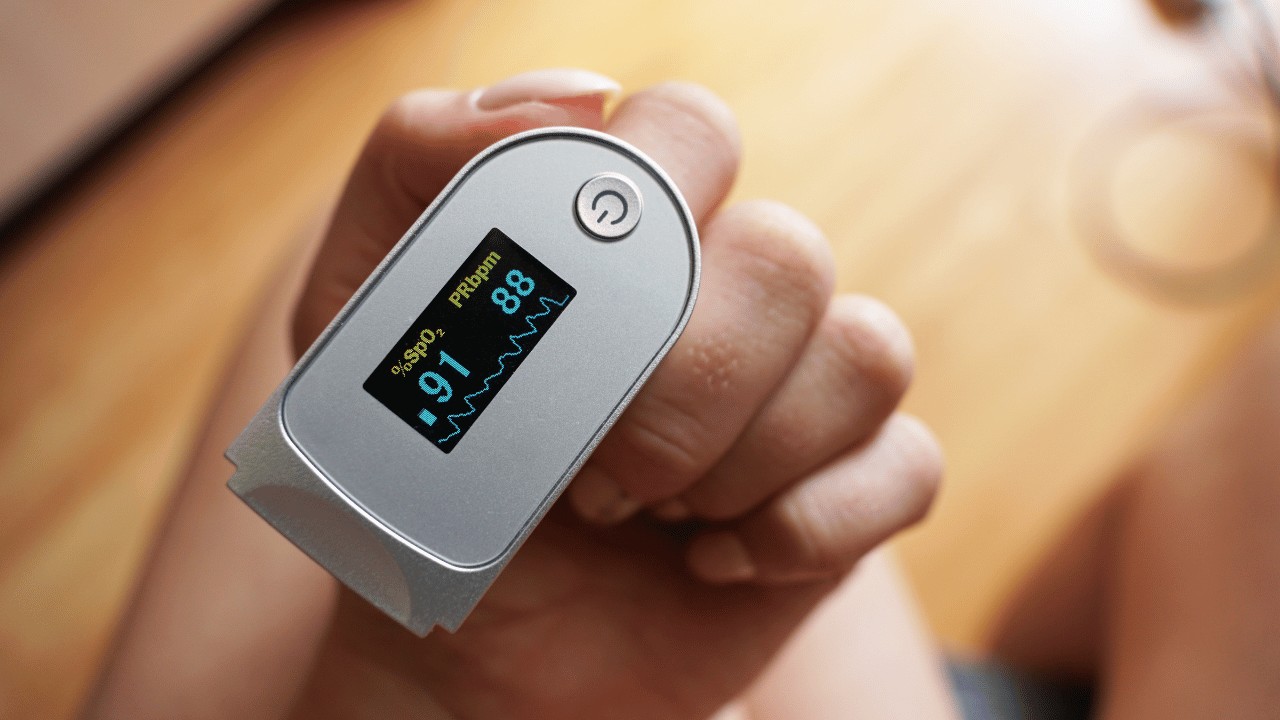
Understanding how you sleep can help determine if you have sleep apnea. One of the devices commonly used to check for sleep apnea is a pulse oximeter, or ‘pulse ox’ for short. This device measures the amount of oxygen in your blood. If your blood oxygen levels are low while sleeping, you might have sleep apnea.

While the polysomnography (PSG) sleep study is the gold standard for diagnosis, you can also use an at-home sleep study test kit for apnea as an initial screening tool or the Oura Ring or Fitbit for some helpful preliminary sleep data so that you can alert your doctor to the possibility for further evaluation. 

Sleep Apnea and Low Blood Oxygen

It’s normal for your blood oxygen level to drop slightly when you sleep. This is because as you move through the different stages of slumber, you experience periods of slow or shallow breathing and even pauses in breath. That said, your blood oxygen level should ideally stay between 95% and 100% even when you’re asleep. 

Sleep apnea may cause prolonged or repeated gaps in breathing during sleep, which may decrease your blood oxygen level. If it falls below 92% while asleep, it becomes a cause for concern and generally requires medical intervention. Alarmingly, this could adversely affect your tissues and organs, especially if your blood oxygen level falls below 88% and becomes a condition referred to as sleep-related hypoxemia.

How Does a Pulse Ox Work for Sleep Apnea?

One of the ways sleep apnea is determined in patients is with overnight pulse oximetry. This involves wearing a clamp-like device, called an ‘oximeter,’ on the tip of your index finger. It’s not painful to wear and it can be easily removed. An oximeter measures and monitors your oxygen saturation.

To measure overnight oxygen levels, the oximeter is connected via a cable to a small recording device. This generates a graph that can be analyzed by your doctor or sleep specialist. If they see low blood oxygen levels caused by sleep apnea, they may prescribe a sleep apnea oxygen concentrator. That said, most commonly, if treatment is required, depending on how severe things are, a CPAP machine is typically prescribed.

Why Use a Pulse Ox to Detect Sleep Apnea

A pulse ox is just one of several tests that can indicate if you have sleep apnea. Luckily, pulse oximetry technology can be convenient and inexpensive but it depends on what you’re looking for.

You can buy overnight pulse oximetry devices online or from your local pharmacy at an affordable price. However, a regular pulse ox only provides a limited amount of information, which might not be enough to accurately diagnose sleep apnea because it can’t detect all the elements involved in the disorder. Beyond that, a continuous pulse ox provides more information.

Continuous pulse oximetry data allows you to detect drops in oxygen saturation throughout the night and not just at certain snapshots in time. Contiunuous data is important because there are specific metrics necessary for your medical provider to diagnose sleep apnea. To qualify as an event, you need not just a drop in oxygen saturation, an event needs to be for at least 10 seconds and at least a 3-4% (depending on the medical organization) drop in oxygen saturation. And then, knowing how many events mean what is another level and then what to do about it. So it’s not as simple as yes or no, which is why it’s important to share your data with your provider.

It’s also important to note that comprehensive sleep studies, such as a PSG, include pulse oximetry tests. So, if and when you have a sleep study done, that data cane be used as a reference point. That way you can collect pulse oximetry data and notifying your doctor of any trends or patterns that you see with time as well as compare your ongoing data to your original study. What’s great is that pulse oximetry can be used ongoing and not just as a standalone assessment. Even though it can easily be done without medical supervision, it’s important to have your medical provider help you interpret the data and know what other data might be important to collect and even what treatment makes sense with the data you’ve collected. 

Enhance Natural Sleep With Sleep Apnea Solution

Ensuring proper breathing during sleep is an important approach to addressing sleep apnea. The Sleep Apnea Solution book by Dylan Petkus, MD includes his top breathing exercises that support better breathing patterns at night. It also offers tips on how to wake up more refreshed.

Read More

At-Home Sleep Study Test Kit for Apnea

At-Home Sleep Study Test Kit for Apnea

Previously, you could only get diagnosed with sleep apnea by completing a sleep study in a lab, hospital, or clinic. While this is still the gold standard, you can use an at-home test kit to test yourself for sleep apnea, which is something medical providers are ordering for their patients. This is a convenient option for those experiencing minor obstructive sleep symptoms who don’t have certain medical conditions or other sleep disorders.

What Is a Sleep Apnea Test Kit?

A sleep apnea test kit, also known as a home sleep apnea test (HSAT) is an assessment you can administer independently. It involves attaching sensors to your body to gather data about your sleep patterns. This is the same data collection method used by other gadgets, but with more comprehensive results.  

If you are looking for other ways to track sleep issues, you might want to compare the accuracy of the Oura Ring versus the Fitbit. Of course, a fitness tracker cannot detect sleep apnea, though. While it can detect some sleep-related health data, it can’t properly diagnose sleep apnea itself.

An HSAT commonly includes a breathing sensor (usually nasal), a pulse ox for sleep apnea, and a data collection device or monitor.

Types of Sleep Apnea Test Kits

There are four types of sleep studies that can be done to diagnose sleep apnea. Polysomnographs (PSG) are done by a sleep technician and provide comprehensive diagnoses. Another test is similar to PSG but can be done at home.

The other two types of sleep tests are the most commonly done at home. One is a portable monitoring device that measures up to seven variables, including respiratory, cardiac, and blood oxygen levels. It doesn’t measure brain activity, but some devices can detect movement. The fourth type of test is similar to the other at-home test, but its measurements are limited to one to three variables.

What Does a Sleep Study for Apnea Test Kit Measure?

Depending on the HSAT, your device may measure the following variables:

  • Respiratory activity
  • Airflow
  • Breathing patterns and chest motion
  • Heart rate
  • Blood oxygen level
  • Nocturnal movement and motor activity
  • Sleep position, including how it changes
  • Snoring events and intensity

How to Use a Sleep Apnea Test Kit

Using an HSAT is straightforward. You can get advice from your healthcare provider about how to do use it properly. Fortunately, the kits typically provide easy-to-understand, step-by-step instructions on the equipment as well for easy reference.


Here’s how to use a sleep apnea test kit at home:

Obtain a Prescription

You need a prescription to buy and use an HSAT. If you are struggling with symptoms associated with sleep apnea, make an appointment with a doctor or sleep specialist. If they suspect you have sleep apnea, they can prescribe a test.

Obtain an HSAT

Once you have a prescription, you can purchase an HSAT. Depending on the recommended test, you may have it done at a sleep lab or clinic or mailed to you at home. 

Take the Test

When you have your device, read the guide carefully to learn how to use it. Your doctor may also give you instructions on how to operate it properly. This typically involves attaching sensors to certain parts of your body.

When taking the test, you must follow your usual sleep routines. This means going to sleep and waking up at your normal schedule and avoiding caffeine, alcohol, and other elements that could affect your sleep. 

Discuss Your Results With a Professional

After taking the test, you can download the data. In some cases, you have to bring the HSAT to a sleep clinic or lab where the information will be extracted for you. Take the results to your doctor or sleep specialist to get a formal diagnosis and discuss possible treatment options. If your results are inconclusive, you may have to do a PSG.

Even though, a home sleep study is limited compared to the fancier tests in a sleep lab, the home test is great because it allows the user to sleep in their own bed and own sleep environment, best replicating the typical night of sleep. In the end, a sleep study or test kit just gives you a snapshot or sleep. Even with the extensive testing, it’s just one night. There can be value to having more data that can be a better representation of the range of what can happen with sleep. That’s where sleep trackers or overnight pulse oximetry can have value with time as long as there’s a way to review that data, know what it means and integrate it into your treatment plan with your medical provider.

Get Help to Support Better Breathing With Sleep Apnea

In addition to developing your treatment plan with your physician, you might be looking for more ways to support better sleep and breathing at night. If that’s the case, check out the Sleep Apnea Solution book that covers natural ways complimentary to your treatment plan.

Dealing with sleep apnea doesn’t have to be complicated. With breathing exercises, supportive nutrition, and conducive sleep environments, you can set your sleep up to be more refreshing than ever before!

Read More

Can a Fitness Tracker Detect Sleep Apnea?

Can a Fitness Tracker Detect Sleep Apnea?

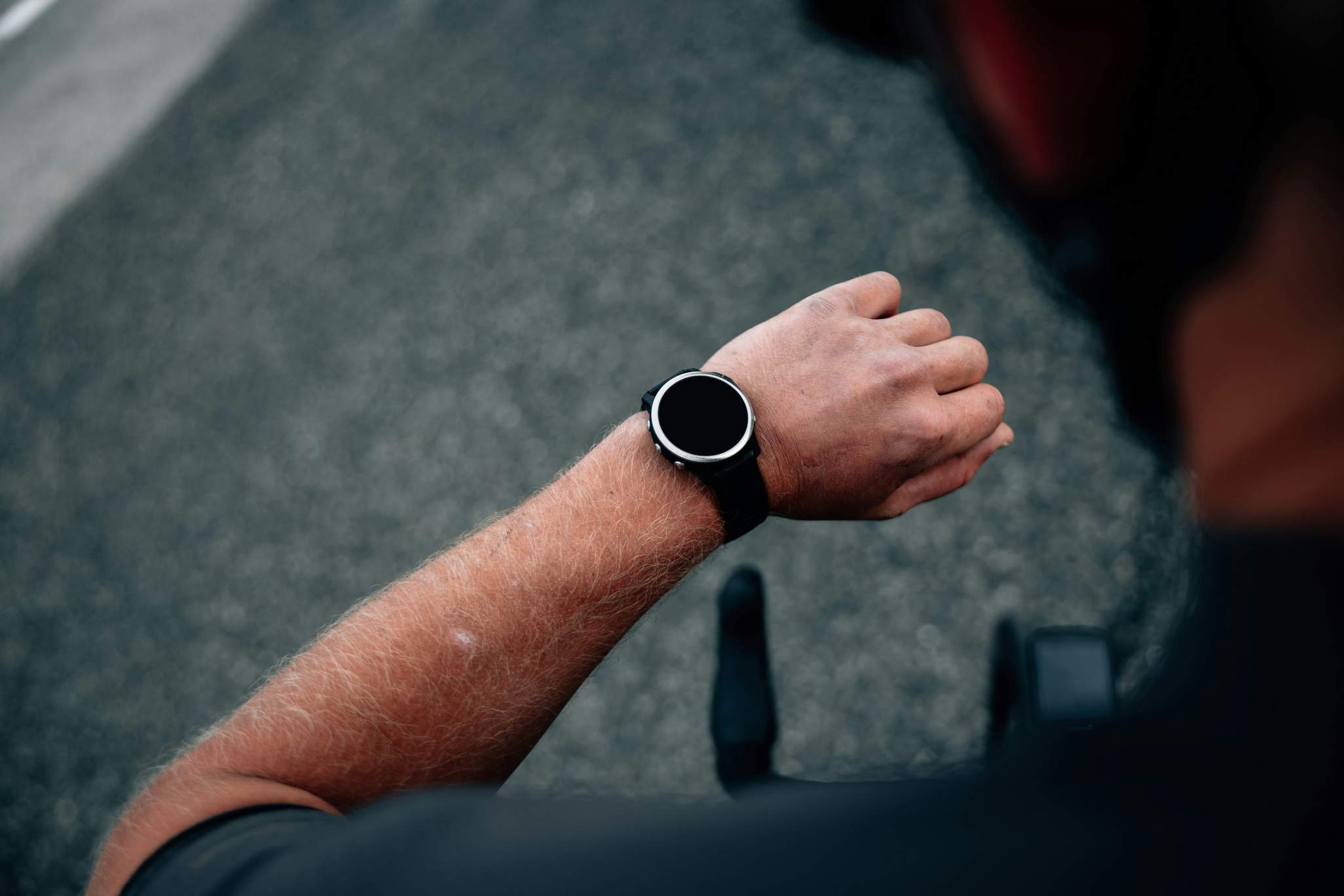
Smartwatches and fitness trackers provide a wealth of data about your activity levels, calories burned, and daily steps, and many advanced, modern devices also incorporate sleep monitoring functions. You might, for instance, be comparing the Oura Ring, Fitbit, and Apple Watch as an aspect of your approach to sleep apnea.

The difficulty is that fitness trackers aren’t specifically designed as sleep apnea monitors and cannot detect or diagnose the condition. However, they may be useful in tracking progress and recording the severity and frequency of waking events to review patterns and see whether efforts to boost healthy nighttime breathing are working.

In this guide, we’ll examine whether a sleep study for apnea test kit at home is worth investing in or whether traditional devices like a nose ring for sleep apnea are better for your budget.


Fitness Trackers for Sleep Apnea: The Pros and Cons

Most sleep specialists and physicians advise that fitness trackers can give you handy insights but aren’t reliable enough to predict or detect sleep apnea, nor are they a foundational part of the approach they might recommend. However, there may be benefits, especially if you already wear a smartwatch or fitness ring and aren’t purchasing one solely to help with your sleep apnea. These include:

  • Tracking sleep patterns and habits: Fitness watches have varied features, but most can record the number of times you wake up a night, the total hours of sleep or REM achieved, variations in your heart rate, or drops in your blood oxygen levels. These metrics are often aggregated into a sleep score that allows you to follow the trends and set clear goals with your sleep.
  • Monitoring progress: This is a way to see whether your sleep duration and quality are increasing or how lifestyle changes and prescribed medications are influencing the severity of your sleep disturbances aside from just how you feel daily. 
  • Contributing to efforts to become more physically active and healthy: Many people use fitness trackers to help embed new habits like walking a minimum number of steps, losing excess body weight, or burning more calories during the day.

Benefits aside, it’s important to reiterate that a fitness tracker cannot determine whether or not you have sleep apnea. The only way to confirm sleep apnea is to consult a physician or sleep specialist so they can determine what testing is most appropriate, what the results mean, and what treatment options are available.

Established Ways to Detect Sleep Apnea

If you suspect you have sleep apnea, a medical professional will usually start by ordering a series of tests or sleep studies. These analyze your sleep patterns and detect variations in respiration, airflow, oxygen saturation, and heart rate. This is essential because, while frequent waking, fatigue, and poor-quality sleep may be due to obstructive sleep apnea, numerous other causes may also require treatment.

Conventional tests include a polysomnogram, which is typically administered overnight in a sleep clinic with a technician monitoring the data. Because these tests are costly and require specialist facilities, they are becoming less common.

Home testing is a more typical option and works similarly to a polysomnogram using FDA-approved testing devices. The data recorded might look comparable to that tracked by a smartwatch, but the difference is in the reliability of that information because of how the testing devices have been tested themselves to make sure they meet quality standards.

Using a Fitness Tracker With Verified Sleep Apnea

After having sleep apnea confirmed, you can use your smartwatch or fitness tracker to see how your sleep data varies and share that information with your physician. Many patients are looking for lifestyle opportunities in addition to weight loss that can support healthier breathing and nighttime rest.

Alongside medical approaches and sleep devices, you can be proactive about enhancing natural sleep with various techniques such as breathing routines, nutritional opportunities, resetting your nervous system, and optimizing your environment.

To learn Dylan Petkus, MD’s top tips, order your copy of Sleep Apnea Solution to start shifting your breathing and sleep.

Read More

Nose Ring for Sleep Apnea

Nose Ring for Sleep Apnea

The sleep apnea market is vast, with a wide array of products, creams, noise machines, and ‘sleep-promoting’ devices that claim to improve nighttime breathing and lower the frequency of sleep disturbances.

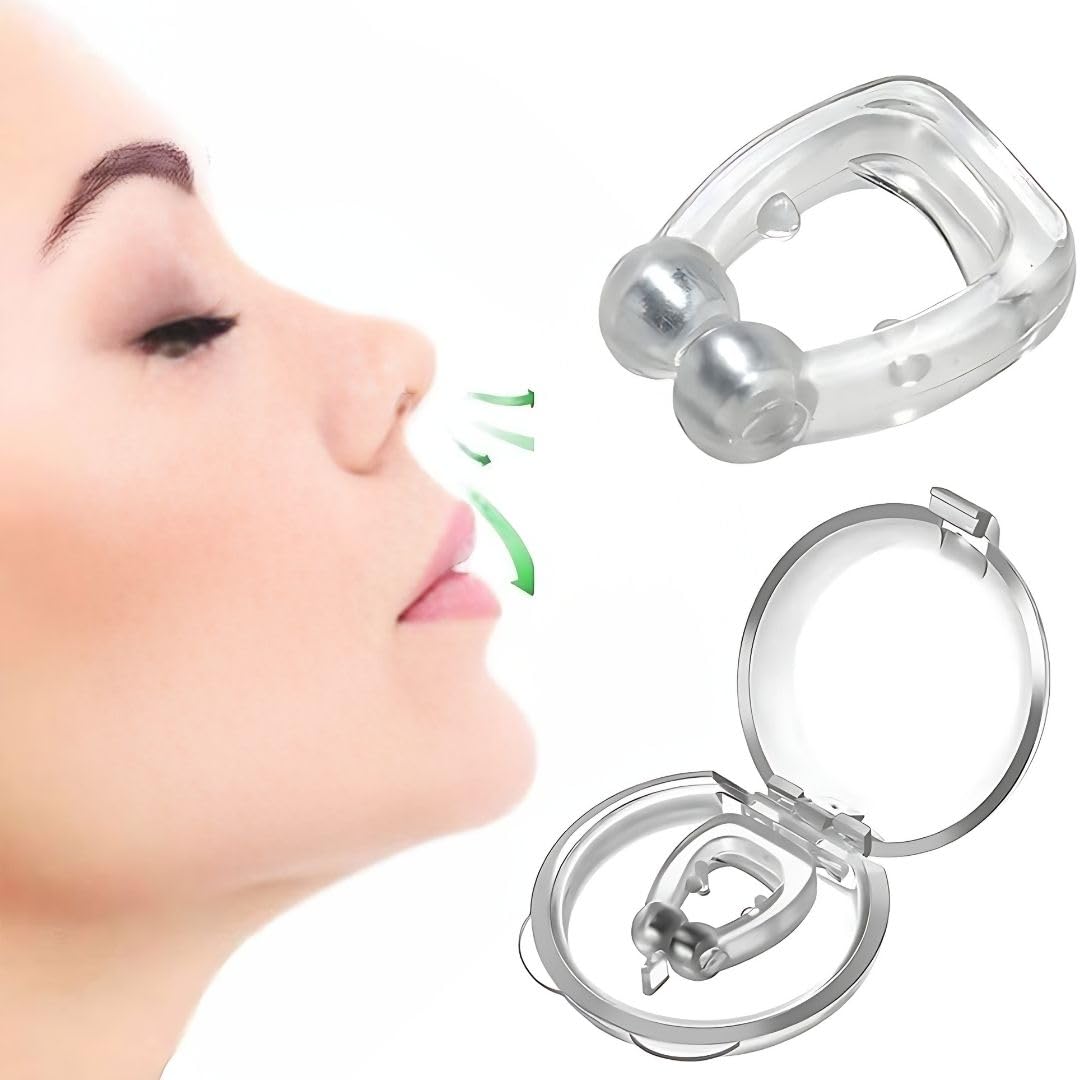
Nose rings, which clip gently around the septum, are one such product. Some are just clips that are placed and aim to slightly widen the nostils mechanically. Some brands will use magnets, which have long been used in traditional medicine with the aim to help maintain airflow through the nostrils. It’s thought that the magnets improve blood flow to nasal tissues and can help reduce inflammation and thus congestion, improving nasal breathing.

However, is limited evidence and no formal studies that this forms a successful part of a sleep apnea approach. and is usually marketed for reducing snoring. Needless to say, nose rings are not a panacea for sleep apnea and at best may relieve some snoring in mild cases. Results will definitely vary and it’s worth tracking to see for yourself what you find if you think it’s worth an experiment!

Important technological developments in tracking include smartwatches and fitness trackers. Many compare the Fitbit Charge 6 and the Oura Ring to extract meaningful data about sleep quality and to provide more information about how efforts to boost healthier nighttime breathing are working.


Wearable Sleep Apnea Devices and Their Uses

If you’re looking for the best sleep apnea tracker, you may be interested in a watch or ring that records your sleep, blood oxygen levels, and number of waking instances. This way, you can get a handle on how often your sleep is interrupted and how much deep sleep you’re actually getting per night.

Can a fitness tracker detect sleep apnea? These wearables don’t necessarily confirm whether or not you have sleep apnea, nor are they used as an alternative to a medical diagnosis; instead, they monitor sleep patterns and metrics.

Types of Sleep Trackers and Monitoring Devices

Options currently available include:

  • Smartwatches, which often have health apps within their operating systems and monitor basic information like the amount of sleep achieved, that you can potentially share with your physician if you have concerns
  • Patches fitted with sensors, which act a lot like a conventional oximetry test, using a laser to record sleep data; most are connected to an app or monitoring device
  • Alternative devices, like wrist straps that measure blood oxygen saturation, heart rate, or snoring intensity and transmit data to an app or store it for you to upload to a device or application

The caveat is that devices like the Apple Watch, Oura Ring, Fitbit, and others aren’t considered 100% reliable and instead offer generalized insights into your sleep habits. This is because most wearables aren’t calibrated like a medical testing device and are primarily designed to monitor your movement and activity rather than a sleep tracker specifically engineered for this purpose.


Can Nose Rings and Other Sleep Aids Make a Difference to Sleep Apnea?

Whether you’re interested in using a fitness tracker or other devices as part of your sleep apnea approach, it’s worth collecting your own data to see what helps and what doesn’t. Conducting some research is important as many devices or products have limited effectiveness or work for some people and not others. Nose rings, mouthguards, anti-snoring strips, white noise machines, and chin straps are normally used for snoring and shouldn’t be sold or advertised as ‘cures’ for sleep apnea. We know that these claims are often untrue and unsupported by verified clinical evidence.

Some sleep apnea sufferers find that sleep aids do, however, help to some extent, although the best guidance is usually to take a more holistic stance and address your sleep habits, patterns, and hygiene to support healthier nighttime breathing. Examples might include going to bed at the same time every night to establish a routine, maintaining a comfortably cool temperature, paying attention to your nutrition and hydration, and avoiding screens or caffeine in the evening.


Expert Insights Into Enhancing Natural Sleep 

Investing in gadgets and devices can become exorbitantly expensive without any real improvements, which is why understanding what’s really going on with breathing or lack there of in sleep apnea can be insightful. Sleep Apnea Solution, the latest book from Dylan Petkus, MD is available on Amazon and covers just that as well as how you can take control of your breathing now to support more refreshing sleep!

Read More

Best Sleep Apnea Tracker

Best Sleep Apnea Tracker

Wearable sleep trackers can monitor and report on data to help quantify the reduced oxygen saturation that sleep apnea sufferers often experience–but what is the difference between an Oura Ring and a Fitbit, and can modern tech really track symptoms reliably? Those who use the Oura Ring for wellness monitoring generally find that the data relevant to their sleep apnea is more accurate, but many of the advanced wearable devices provide baseline sleep quality and quantity statistics.

Let’s look at the data and metrics a tracker provides, as well as some other ways to incorporate sleep tracking into your sleep apnea approach.


How Can Smartwatches and Wearables Help Monitor Sleep Apnea?

A growing number of devices on the market offer some level of sleep monitoring, from the Apple Watch to the Oura Ring and the Fitbit band we’ve mentioned. Samsung Galaxy Watches now come with a Health Monitor app as standard, which detects signals of poor sleep quality or disrupted rest. The later Apple Watch Series has a Breathing Disturbances tracker built into the operating system. That said, none of these capture continuous pulse oximetry data. So it just depends if you’re looking for continuous oxygen saturation data from your night or if you’re wanting more of a sleep score with detailed REM and non-REM data.

You can also try varied methods of addressing snoring or intermittent pauses in your breathing, such as a nose ring for sleep apnea to see how that affects your data.


Symptoms and Data Monitored by Wearable Tech During Sleep

Depending on the device you have or intend to buy, wearables can tell you:

  • The time you spend sleeping each night
  • How that sleep is split between deep and light sleep and periods awake
  • The amount of time it takes for you to sleep once in bed
  • Whether you are likely to feel rested and energetic through ‘sleep scoring’

More advanced devices can also capture data on blood oxygen levels, which can tell you if you have experienced sudden dips during sleep due to temporary pauses in your breathing. The relevance and usefulness of this information may vary. However, you might compare sleep scoring with and without a nose ring or mouth guard or see how changing your sleeping position affects your rest.

Other Ways of Tracking Sleep Apnea Breathing Disturbances

Physicians and sleep specialists rarely rely on non-clinical tech to monitor sleep apnea symptoms. Still, they might recommend sleep tracking to enable them to review how your sleep patterns and oxygen levels are stabilizing.

  • Home sleep tests, such as overnight pulse oximetry tests, use a clip with a small light sensor attached to your finger. At-home sleep analytics can measure blood oxygen levels, breathing patterns, airflow, and heart rate.
  • Nocturnal polysomnography testing is more intensive and uses equipment that monitors a broader range of health markers, such as movements in your arms and legs, lung and brain function, and heart rates, alongside blood oxygen levels.

The difficulty may be that some smartwatches, wearable tech, and portable devices do not have a clinical level of accuracy or cannot be fully calibrated, which means the results may not be conclusive or may be subject to a margin of error. That said, you can always share that data with your medical provider and have a discussion about what it may mean.

Which Is the Best Sleep Apnea Tracker for Everyday Use?

Ultimately, the right tracker or wearable may depend on your budget, general lifestyle, what you’re looking to track, and the value you extract from the data provided. Acting on your sleep monitoring reports and understanding which changes have positively impacted your sleep isn’t always easy, which could mean an expensive smartwatch has little effect.

If you’re looking to take a proactive approach to sleep apnea and learn about natural methods that support breathing and complement your doctors’ plan, people find Dylan Petkus, MD’s Sleep Apnea Solution book insightful. He shares his top breathing routines to support better breathing and sleep.

Read More

Braces for Sleep Apnea

Braces for Sleep Apnea

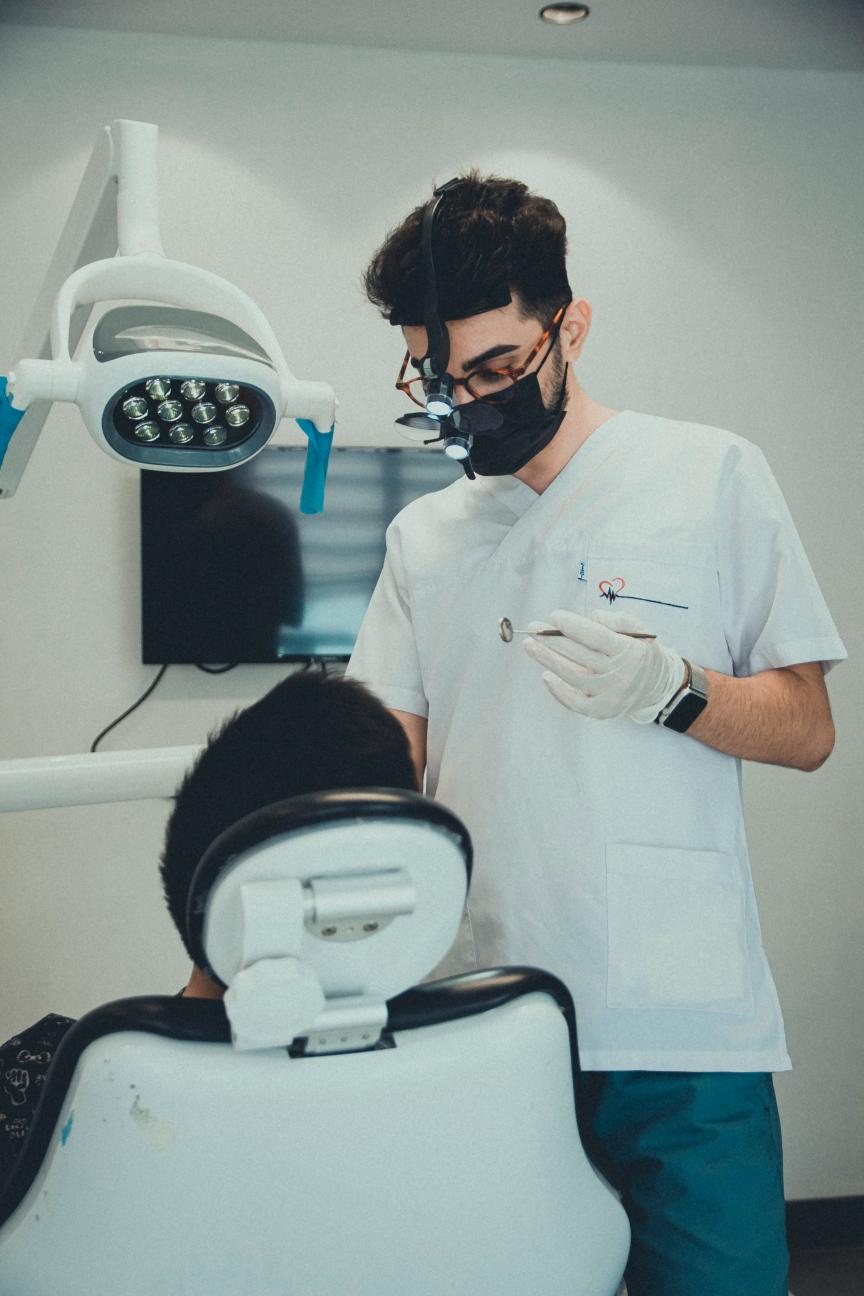
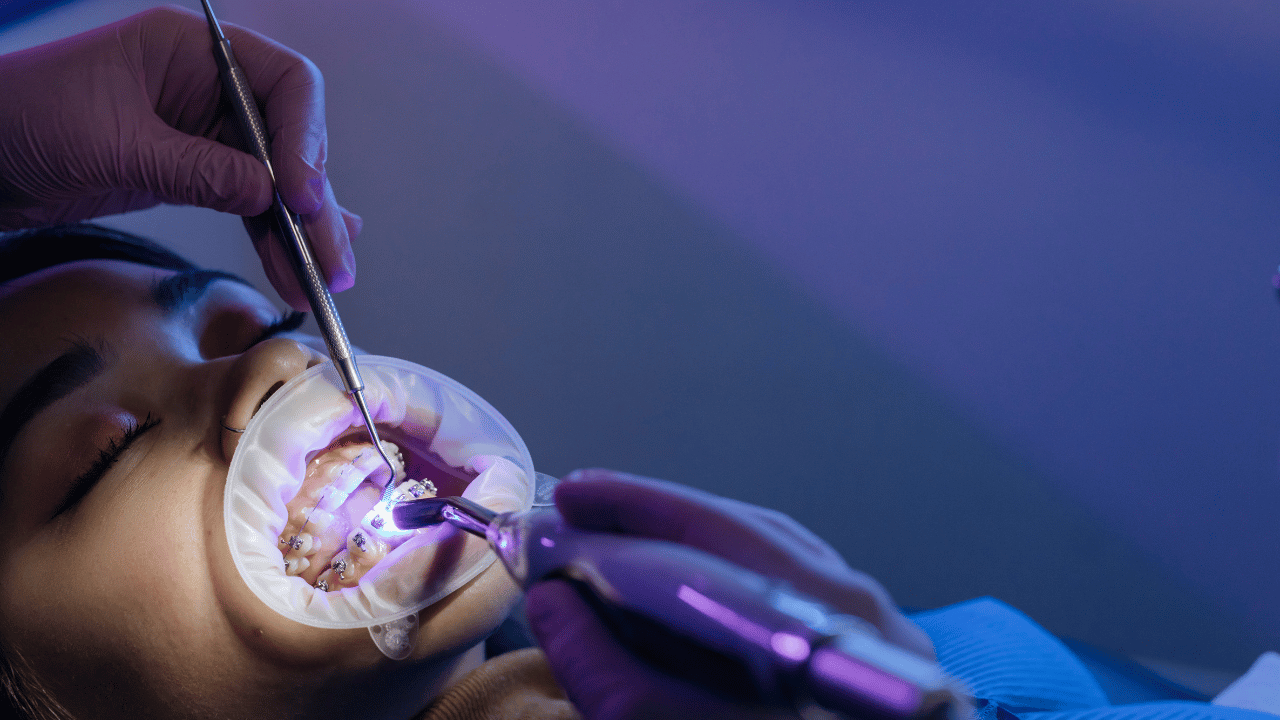
Sleep apnea can be influenced by tooth or jaw misalignment, or issues with your dental arch. In these cases, orthodontists can apply aligners like braces to help you manage the root cause of your sleep apnea.

Sleep apnea is a complex condition, which is why patients are often recommended different approaches to deal with its symptoms–from taking supplements that can support sleep apnea to getting sinus surgery for sleep apnea. Orthodontic methods are another common option. 

In this post, we’ll explore the role of orthodontics in treating sleep apnea, as well as connect you to resources that can offer a more natural approach to enhancing your sleep.

How Orthodontists Can Help With Sleep Apnea

Sleep apnea is at its core an issue with breathing but beyond that there are many potential influences of how well breathing is maintained at night. There are many muscle-related influences like “floppy tongue” or hypotonia. However, in some patients, one root cause of the disorder can actually be orthodontic. This is where an orthodontist comes in.

In most situations, orthodontists will put on aligners or braces to reposition your teeth or hold your jaw so that your mouth is in the right position, with the goal to help you sleep better at night. They may also use a mandibular advancement splint, which is a custom-fit brace that changes your jaw’s alignment and widens your mouth’s airway, with the aim to reduce airway blockages and thus reduce apnea events.

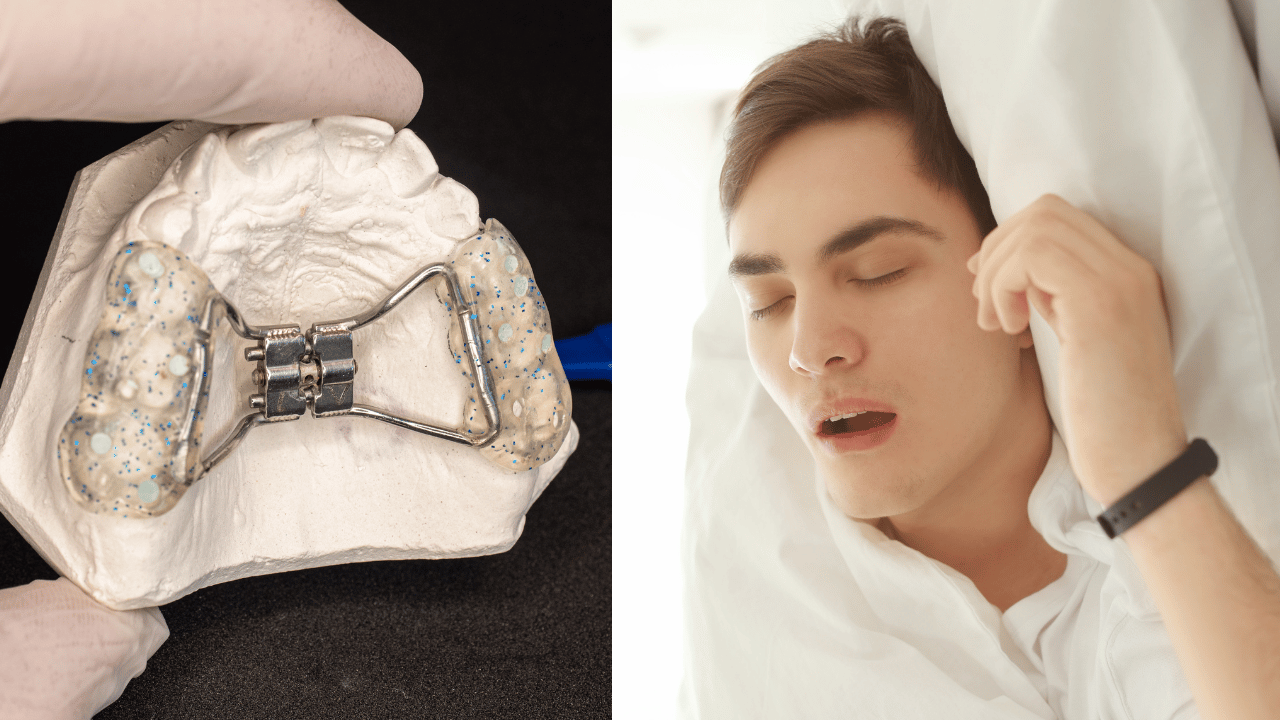
When dealing with sleep apnea in kids, orthodontists may also use a rapid palate expander, which is bonded or cemented onto the upper molars to widen the space in the child’s upper jaw.

Braces Versus Other Sleep Apnea Approaches

Braces can be a useful method for dealing with sleep apnea, and it’s especially ideal for patients whose disorder is primarily caused by dental issues. That said, orthodontics may be coupled with other techniques, such as using a continuous positive airway pressure (CPAP) mask or machine at night.

Sleep apnea is unique for every person. It’s best to consult your primary healthcare provider to find the best plan that fits your specific needs and preferences.

Orthodontics Versus Sleep Apnea

Orthodontics might not be the catch-all solution to your sleep apnea, because there is not enough research to prove it can normalize breathing and apnea events in all candidates. The current evidence suggests that dental procedures are helping patients better manage their symptoms, but research is ongoing.

Interestingly, several studies look into sleep apnea cases in children. A systematic review and meta-analysis determined that interceptive orthodontic treatments showed “overall favorable effects” on respiratory outcomes in obstructive sleep apnea (OSA) in children. However, the review notes that the treatment can’t be suggested as an elective for OSA due to the low body of evidence Another review stated that “orthodontic treatments may be effective in managing pediatric snoring and [OSA].”

Concerning sleep apnea in adults, current literature supports the role of orthodontics as a sleep apnea approach. A study demonstrated that adjusting and expanding the jaw can “possibly improve” the apnea-hypopnea index (AHI or the combined average number of breathing disturbances that occur per hour of sleep) and oxygen saturation levels in adults. The use of oral appliances–including ones with different mandibular protrusion positions–have shown promising results in reducing AHI scores and regulating oxygen saturation levels for some.

That said, oral appliances are just one strategy that aim to reduce apnea events. Other approaches are often needed to work towards additional improvements. This makes sense as many adults have had abnormal anatomy their entire lives but didn’t experience apnea events until later in life. This can suggest that many other variables and thus opportunities are involved and influence breathing patterns during sleep.

Natural Approaches to Sleep Apnea

Since breathing patterns at night have many influences, not just anatomy, there are many opportunities for those with sleep apnea to support easier breathing and sleep. Healthcare professionals often suggest comprehensive and multidisciplinary approaches, including orthodontics, dental procedures, and nutrition for weight loss.

Beyond that, many find other things helpful as well including breathing routines, supplements, calming their nervous system, and improving their circadian rhythm to support overall sleep. Be sure to get the book, Sleep Apnea Solution by Dylan Petkus, MD to cover these insights and support breathing and sleep naturally!

Read More

Pin It on Pinterest